


How to Start a Butterfly Garden in Your Backyard
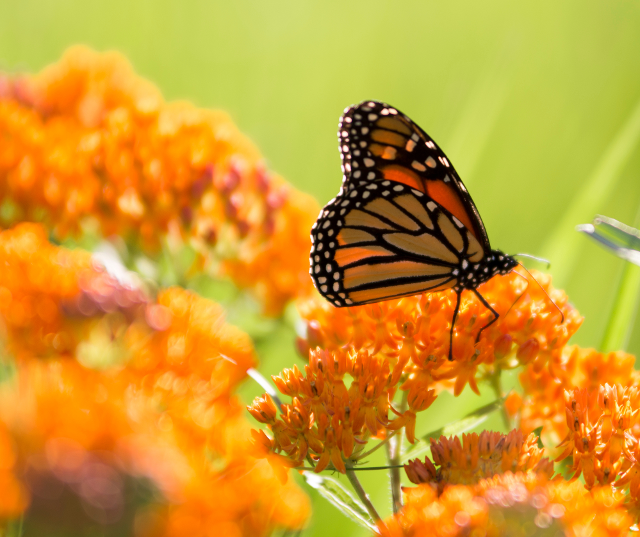
Did you know that nearly 20% of butterfly species worldwide are currently at risk of extinction? As pollinators, butterflies play a critical role in maintaining the health of ecosystems, yet their populations are declining due to habitat loss, pesticide use, and climate change. Creating a butterfly garden in your backyard is a meaningful way to support these delicate creatures while adding natural beauty and biodiversity to your home environment.
Choosing the Right Location and Layout
Get The Latest News!
Don't miss our top stories and need-to-know news everyday in your inbox.
Selecting an appropriate site is the first step toward establishing a thriving butterfly garden. Butterflies are cold-blooded and rely heavily on sunlight to regulate their body temperature. Therefore, choose a spot that receives at least 6 hours of direct sunlight daily. Avoid windy areas, as strong breezes can hinder butterfly activity.
Consider the garden’s layout with a mix of nectar-rich flowers, larval host plants, and sheltered resting spots. Grouping plants of the same species together can make the garden more attractive and easier for butterflies to locate. Incorporating flat stones or wooden platforms in sunny areas provides basking spots where butterflies can warm themselves.
Example: A homeowner in Oregon transformed a modest 10x10 foot patch into a butterfly haven by planting clusters of milkweed, coneflowers, and butterfly bush, combined with a small rock sunning area. Within weeks, monarchs and swallowtails were frequently seen feeding and resting.
Selecting Plants: Nectar Sources and Host Plants
The plants you choose are the foundation of a butterfly garden. Butterflies rely on nectar for energy, but they also need specific host plants for their larvae to feed on after hatching.
Nectar Plants: Opt for native, nectar-rich flowers that bloom throughout the growing season to provide a continuous food source. Examples include butterfly weed (Asclepias tuberosa), purple coneflower (Echinacea purpurea), lantana, and bee balm (Monarda).
Host Plants: These are usually specific to butterfly species. For instance, monarch caterpillars exclusively feed on milkweed species, while black swallowtails favor parsley, dill, and fennel. Including a variety of host plants ensures your garden supports multiple butterfly species.
Data Insight: Studies indicate that gardens with diverse native plantings can attract up to three times more butterfly species compared to gardens with exotic or ornamental plants. This emphasizes the importance of native flora in conservation efforts.
Creating a Butterfly-Friendly Environment
Beyond plants, the overall environment should cater to the butterflies’ needs throughout their life cycle.
- Article continues after sponsor message
Water Sources: Butterflies require moisture but often prefer damp sand or mud over open water. Create a shallow “puddling” area by placing a shallow dish or tray filled with wet sand and a few small stones.
Shelter and Protection: Incorporate shrubs, tall grasses, or small trees to offer shelter from predators and harsh weather. Avoid the use of pesticides and herbicides, as these chemicals can be lethal to both adult butterflies and larvae.
Providing Overwintering Habitats: Some butterfly species overwinter as chrysalides or adults. Leaving some leaf litter, dead stems, or brush piles can provide safe refuges during colder months.
Practical Tips for Maintenance and Observation
Maintaining a butterfly garden requires patience and care but is generally low-maintenance compared to other garden types.
Regular Watering: While many native plants are drought-tolerant, consistent watering during dry spells helps sustain blooms and host plants.
Deadheading Flowers: Removing spent blooms encourages prolonged flowering, ensuring a steady nectar supply.
Monitoring Pests Naturally: Rather than chemical controls, encourage natural predators like ladybugs and lacewings to manage aphids and other pests.
Recording Visitors: Keep a journal or take photos to track the species visiting your garden. Citizen science platforms like iNaturalist can help identify butterflies and contribute to broader ecological data.
Encouraging Community and Educational Opportunities
Butterfly gardens can also serve as educational tools and community connectors. Hosting garden tours, workshops, or school activities can raise awareness about pollinator conservation.
Anecdote: A community in Austin, Texas, started a neighborhood butterfly garden project that not only increased local butterfly populations but also fostered a sense of stewardship among residents. Children who participated developed a deeper appreciation for nature, often sharing their knowledge at home.
Starting a butterfly garden is both an ecological contribution and a source of personal enjoyment. By thoughtfully selecting plants, designing a welcoming habitat, and maintaining the garden with care, you invite a vibrant array of butterflies into your backyard. This small act of conservation connects you to the intricate balance of nature, offering daily moments of wonder while supporting vital pollinator populations.
More like this:


- Most Popular



- Top Stories


- Most Recent
- Sign In
- Home
- Video
- News
-
Weather
 Sponsored by Michael Ryan Exteriors - Roofing Professionals
 - Sports
- Obits
- Events
- Radio
- AP News
- Shop Local
- Classifieds
- Autos
- Real Estate
- Directory
Get the RiverBender App


Follow Us
Copyright © 2026 RiverBender.com All rights reserved.
primary