


More Than Just Thirst: Why Hydration and Cooling Strategies Are Vital for Health
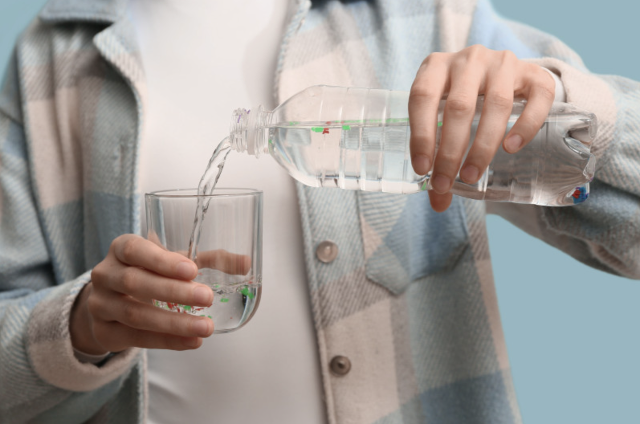
Did you know that even mild dehydration can impair cognitive function, mood, and physical performance? Despite this, studies show that a significant percentage of adults consistently fail to drink enough water throughout the day. The importance of staying hydrated and cool extends beyond quenching thirst—it is a critical factor in maintaining overall well-being, especially during periods of increased heat exposure.
Understanding the Role of Hydration in the Body
Get The Latest News!
Don't miss our top stories and need-to-know news everyday in your inbox.
Water constitutes approximately 60% of an adult’s body weight and is fundamental to nearly every physiological process. It serves as the medium for nutrient transport, temperature regulation, joint lubrication, and waste elimination. When the body loses water through sweating, breathing, or urination, it needs replenishment to function optimally.
Dehydration occurs when water loss exceeds intake. Even a 2% loss in body water can lead to reduced concentration, increased fatigue, and impaired coordination. In more severe cases, dehydration may cause dizziness, rapid heartbeat, or heat-related illnesses such as heat exhaustion and heat stroke. These conditions are not only uncomfortable but can be life-threatening.
The Science Behind Staying Cool
The human body maintains its internal temperature through thermoregulation, a process largely dependent on sweating and blood flow. When external temperatures rise or physical activity increases, the body produces sweat to dissipate heat via evaporation. However, excessive heat combined with inadequate fluid intake can overwhelm these mechanisms, leading to dangerous increases in core body temperature.
Heat-related illnesses disproportionately affect vulnerable populations, including the elderly, young children, and individuals with chronic health conditions. For example, the Centers for Disease Control and Prevention (CDC) reports that thousands of heat-related deaths occur annually in the United States alone, many of which could be prevented through proper hydration and cooling measures.
Hydration Strategies for Optimal Health
Maintaining adequate hydration is not as simple as drinking water sporadically. It requires consistent attention throughout the day. Here are some evidence-based tips:
Monitor Fluid Intake: Aim for at least 8 cups (about 2 liters) of water daily, adjusting for activity level, body size, and environmental conditions. Keep a water bottle handy to encourage frequent sipping.
Include Electrolytes: During prolonged physical activity or heavy sweating, replenishing electrolytes like sodium and potassium is essential. Sports drinks or natural sources such as bananas and coconut water can help restore balance.
Observe Urine Color: Pale yellow urine typically indicates good hydration, whereas dark yellow suggests the need for more fluids.
Limit Diuretics: Be mindful of beverages that increase fluid loss, such as caffeinated drinks and alcohol.
Practical Cooling Techniques Beyond Hydration
While drinking water is crucial, staying cool involves additional strategies that support the body’s thermoregulation:
Wear Appropriate Clothing: Lightweight, loose-fitting, and light-colored garments reflect sunlight and promote airflow.
Seek Shade or Air Conditioning: Minimizing direct sun exposure reduces heat absorption and conserves body water.
Use Cooling Accessories: Items like damp cloths, cooling towels, or misting sprays provide immediate relief by enhancing evaporative cooling.
Adjust Activity Levels: Schedule outdoor or strenuous tasks during cooler parts of the day, such as early morning or late evening.
Consume Cooling Foods: Foods with high water content, including cucumbers, watermelon, and leafy greens, contribute to hydration and offer a refreshing effect.
Real-World Impact: Anecdotes and Data
An illustrative case is the 1995 Chicago heatwave, where temperatures soared above 100°F (38°C) for several days. The event resulted in over 700 heat-related deaths, many of which involved individuals who were elderly, socially isolated, or unaware of hydration and cooling best practices. Public health initiatives since then have emphasized education on fluid intake and cooling strategies, leading to improved awareness and reduced fatalities in subsequent heatwaves.
Similarly, athletes regularly use hydration monitoring and cooling techniques to maintain peak performance and prevent heat illnesses. For example, marathon runners often consume electrolyte-rich fluids and use cooling vests or ice packs during competitions held in warm climates.
Empowering Yourself Through Awareness and Action
Understanding the critical role of hydration and cooling empowers individuals to take proactive steps in protecting their health. Simple daily habits—such as carrying a water bottle, recognizing signs of dehydration, and planning activities thoughtfully—can make a significant difference.
Employing a combination of hydration and external cooling strategies ensures that the body’s natural thermoregulatory processes operate effectively, reducing the risk of heat-related complications. Moreover, these practices contribute to enhanced mental clarity, physical endurance, and overall comfort.
Being mindful of hydration and temperature management is an investment in long-term health, especially in environments where heat exposure is a constant challenge. By prioritizing these measures, individuals can navigate demanding conditions safely and maintain vitality throughout all their endeavors.
More like this:


- Most Popular



- Top Stories


- Most Recent


- Sign In
- Home
- Video
- News
-
Weather
 Sponsored by Michael Ryan Exteriors - Roofing Professionals
 - Sports
- Obits
- Events
- Radio
- AP News
- Shop Local
- Classifieds
- Autos
- Real Estate
- Directory
Get the RiverBender App


Follow Us
Copyright © 2026 RiverBender.com All rights reserved.
primary