


Effective Strategies to Beat the End-of-Summer Swelter
The dog days of summer often come with heat. Here are some practical strategies to stay cool.
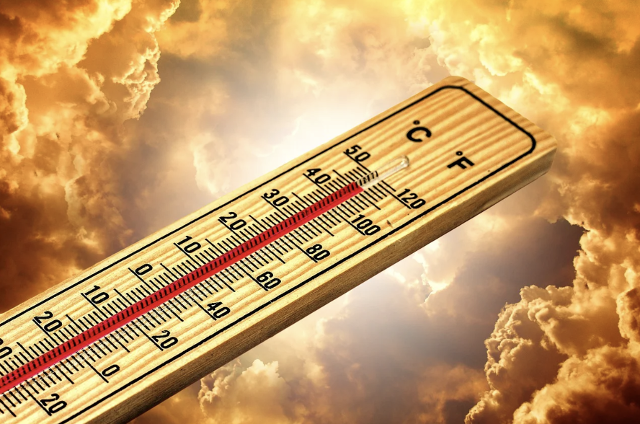
Imagine this: the human body can lose up to 1.5 liters of sweat per hour during intense heat exposure, a natural response designed to cool us down. Yet, despite this impressive mechanism, many people find themselves drained, dehydrated, and uncomfortable as temperatures soar toward the end of summer. The challenge of managing heat stress is more than just a matter of comfort—it’s a crucial health consideration that requires smart, proactive strategies.
Get The Latest News!
Don't miss our top stories and need-to-know news everyday in your inbox.
This article delves into the best ways to beat the end-of-summer heat, combining scientific insight with practical advice to help you stay cool, hydrated, and safe as temperatures peak.
Understanding Heat Stress and Its Impact
Before exploring solutions, it’s important to grasp the effects of prolonged heat exposure on the body. Heat stress occurs when the body’s temperature regulation system becomes overwhelmed, leading to symptoms ranging from mild discomfort and fatigue to severe heat exhaustion and heat stroke.
According to the Centers for Disease Control and Prevention (CDC), heat-related illnesses cause hundreds of deaths annually in the United States alone, with older adults, young children, and individuals with chronic illnesses being particularly vulnerable. Recognizing the symptoms—such as dizziness, nausea, excessive sweating or lack thereof, and rapid heartbeat—can be a lifesaver.
Hydration: The First Line of Defense
Water is essential to maintaining the body’s cooling processes. When the body heats up, sweat evaporates from the skin surface, dissipating heat and lowering core temperature. This process depends heavily on adequate hydration.
- Drink Before You’re Thirsty: Thirst is a delayed indicator of dehydration. Experts recommend consuming fluids consistently throughout the day, not just in response to thirst.
- Choose the Right Fluids: While water is ideal, electrolyte-balanced drinks can be beneficial during prolonged physical activity or heavy sweating. Avoid excessive caffeine and alcohol, as they can exacerbate dehydration.
- Monitor Urine Color: A simple way to gauge hydration status is by observing urine color—pale yellow typically indicates proper hydration, whereas dark yellow suggests the need for more fluids.
Smart Clothing Choices to Enhance Comfort
What you wear significantly affects your ability to stay cool. Clothing that traps heat or restricts airflow can intensify heat stress.
- Lightweight, Loose-Fitting Fabrics: Materials like cotton or moisture-wicking synthetics allow air to circulate and sweat to evaporate more efficiently.
- Light Colors Reflect Heat: Dark colors absorb more heat, so opting for whites, pastels, or other light shades can reduce heat absorption.
- Sun Protection: Wide-brimmed hats and UV-protective clothes shield the skin from direct sunlight, reducing heat gain and minimizing the risk of sunburn, which impairs the body’s cooling ability.
Tactical Environmental Adjustments
Creating or seeking cooler environments is a practical approach to mitigating heat effects, especially during peak hours.
- Stay Indoors During Peak Heat: Typically between 10 a.m. and 4 p.m., solar radiation is at its strongest. Planning outdoor activities outside this window can help avoid excessive heat exposure.
- Use Fans and Air Conditioning: Air movement accelerates sweat evaporation. Fans can improve comfort, but during extreme heat, air conditioning is the most effective way to reduce indoor temperatures.
- Optimize Home Cooling: Closing blinds or curtains during the day minimizes heat gain through windows. Ventilating homes in the cooler evening and night hours can also help.
Incorporating Cooling Foods and Habits
Certain foods and habits can enhance the body’s ability to stay cool and maintain energy levels.
- Hydrating Foods: Fruits and vegetables with high water content—like watermelon, cucumbers, and oranges—contribute to hydration while providing essential nutrients.
- Light, Balanced Meals: Heavy meals can increase metabolic heat production, making you feel warmer. Opt for smaller, frequent meals with a balance of carbohydrates, proteins, and fats.
- Cold Showers or Wet Cloths: Applying cool water to pulse points (wrists, neck, temples) or taking a brief cool shower can lower skin temperature and promote comfort.
Exercise and Heat: Timing and Intensity Matter
Physical activity raises core body temperature, which can be dangerous in hot conditions if not managed properly.
- Choose Cooler Times: Early morning or late evening are ideal for exercise during hot periods.
- Adjust Intensity: Lowering workout intensity or incorporating rest breaks reduces heat buildup.
- Listen to Your Body: Signs of heat-related distress require immediate cessation of activity and cooling measures.
Technology and Innovation: New Tools for Heat Management
Advancements in wearable technology and home cooling systems offer innovative ways to combat heat.
- Wearable Sensors: Devices that monitor heart rate, temperature, and hydration levels can provide real-time feedback, alerting users to potential heat stress before symptoms escalate.
- Smart Home Systems: Automated thermostats and smart fans adjust indoor environments efficiently, balancing comfort and energy use.
- Cooling Apparel: Emerging fabrics embedded with phase-change materials or cooling gels are designed to absorb and dissipate heat more effectively.
Practical Takeaways to Stay Cool and Safe
- Prioritize hydration by drinking water consistently and including electrolyte sources when active.
- Wear loose, light-colored clothing made from breathable fabrics.
- Limit outdoor exposure during the hottest parts of the day.
- Incorporate cooling foods and frequent cold water applications.
- Adjust physical activity schedules and intensity according to heat conditions.
- Utilize fans, air conditioning, and other environmental controls to maintain a comfortable indoor climate.
- Stay informed about heat advisories and use technology to monitor personal heat stress.
Beating the end-of-summer heat is a multifaceted challenge requiring awareness, preparation, and smart behavior. By understanding how the body responds to heat and implementing these practical strategies, individuals can safeguard their well-being, maintain productivity, and even enjoy the lingering warmth without discomfort or risk. The body’s natural cooling system is powerful, but it thrives best when supported by conscious choices and a proactive approach to heat management.
More like this:




- Most Popular



- Top Stories



- Most Recent



- Sign In
- Home
- Video
- News
-
Weather
 Sponsored by Michael Ryan Exteriors - Roofing Professionals
 - Sports
- Obits
- Events
- Radio
- AP News
- Shop Local
- Classifieds
- Autos
- Real Estate
- Directory
Get the RiverBender App


Follow Us
Copyright © 2026 RiverBender.com All rights reserved.
primary