


How to Prepare Your Garden for the Winter Months
A little work now can go a long way come spring.

Did you know that gardens prepared thoughtfully in the fall can yield up to 30% more robust growth and healthier plants in the spring? This increase isn't just a matter of chance—it’s the result of intentional care during a critical period often overlooked by casual gardeners. Preparing your garden for the fall season is an investment in your landscape’s future vitality. By implementing targeted strategies now, you can ensure that your garden not only survives the dormant months but emerges thriving and ready to flourish.
Assessing and Cleaning Your Garden Space
Get The Latest News!
Don't miss our top stories and need-to-know news everyday in your inbox.
Before the garden beds are covered with frost or the last leaves have fallen, it's essential to give your garden a thorough once-over. Removing dead plants, spent annuals, and fallen debris reduces the risk of pests and diseases that can overwinter and damage your plants next season. For example, powdery mildew spores and certain fungal infections often linger on decaying plant matter.
Practical tip: Use gloves and garden shears to cut back perennials to about 4–6 inches above ground level, unless you prefer to leave seed heads for winter interest or bird food. Dispose of diseased plant material in the trash rather than composting it to prevent spreading pathogens.
Soil Health: The Foundation for Spring Success
Healthy soil is the cornerstone of a thriving garden. Fall offers the perfect opportunity to amend and enrich your soil, setting the stage for vigorous plant growth. Incorporating organic matter, such as compost or well-rotted manure, improves soil structure, drainage, and nutrient content.
A study from the University of California demonstrated that gardens receiving fall compost amendments showed a 25% increase in nutrient availability by early spring, translating into stronger plant development.
Practical tip: After cleaning your beds, spread a 2–3 inch layer of compost over the soil surface and lightly till it in to a depth of 6–8 inches. Avoid working the soil when it’s overly wet to prevent compaction.
Mulching: Protecting and Nourishing the Roots
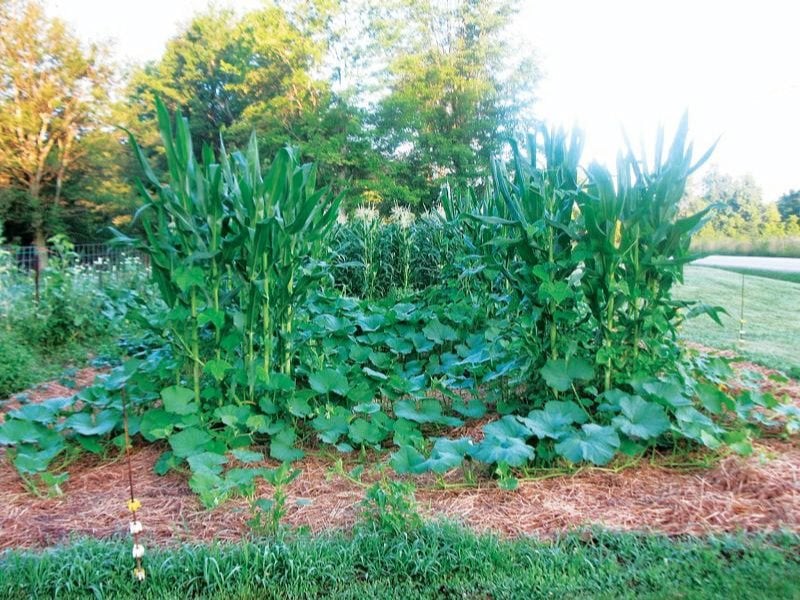
Mulching in the fall serves multiple purposes: it insulates plant roots against temperature fluctuations, conserves soil moisture, and suppresses weed growth. Organic mulches like shredded leaves, straw, or bark chips gradually decompose, adding valuable nutrients back into the soil.
For instance, gardeners in colder regions who apply a 3–4 inch layer of mulch around perennials and shrubs report fewer winterkill instances and healthier spring growth.
Practical tip: Apply mulch after the first hard frost to avoid encouraging pests that thrive in warm, moist environments. Keep mulch a few inches away from plant stems to prevent rot.
Planting Fall-Friendly Crops and Bulbs
Fall is not just a time for cleanup—it’s also an excellent season to plant certain crops and bulbs that will enhance your garden’s appeal and productivity. Cool-season vegetables like kale, spinach, and radishes can be sown in early fall for a late harvest.
Moreover, planting spring-blooming bulbs such as tulips, daffodils, and crocuses during the fall ensures a burst of color after winter’s dormancy. These bulbs require a chilling period to bloom properly, which fall planting provides.
Practical tip: Choose disease-resistant vegetable varieties and plant bulbs in well-drained soil to reduce fungal risks. Mark bulb locations with stakes or decorative markers to avoid accidental disturbance during spring planting.
Preparing Garden Tools and Structures
Well-maintained tools and garden structures contribute to a smoother gardening experience year-round. Fall is an ideal time to clean, sharpen, and oil tools, preventing rust and prolonging their lifespan. Likewise, inspect fences, trellises, and raised beds for any needed repairs before winter’s wear and tear sets in.
An anecdote from a seasoned gardener highlights the benefits: “After neglecting my tools last fall, I struggled with blunt pruners and a wobbly trellis this spring. Now, I dedicate a weekend each autumn to maintenance, and the difference is remarkable.”
Practical tip: Use a wire brush and mild soap to clean tools, then apply a light coat of oil. Store them in a dry, sheltered area over winter to avoid moisture damage.
Protecting Vulnerable Plants and Preparing for Frost
Certain plants are more susceptible to cold damage and require extra attention. For example, tender perennials and container plants may need to be brought indoors or wrapped with burlap or frost cloths.
Monitoring local frost dates allows gardeners to time protective measures accurately. Using a simple thermometer or smartphone app can help track nighttime temperatures.
Practical tip: Water plants thoroughly before a frost event, as moist soil retains heat better than dry soil. Avoid fertilizing late in the season, as this can stimulate tender new growth vulnerable to cold injury.
Investing time and effort in fall garden preparation pays dividends in the form of healthier plants, reduced pest problems, and a more vibrant landscape come spring. From cleaning and soil enrichment to strategic planting and tool care, each step contributes to a resilient garden ecosystem. By embracing these practices, gardeners create a nurturing environment that supports plant health through dormancy and sets the stage for renewed growth and beauty.
More like this:




- Most Popular



- Top Stories



- Most Recent



- Sign In
- Home
- Video
- News
-
Weather
 Sponsored by Michael Ryan Exteriors - Roofing Professionals
 - Sports
- Obits
- Events
- Radio
- AP News
- Shop Local
- Classifieds
- Autos
- Real Estate
- Directory
Get the RiverBender App


Follow Us
Copyright © 2026 RiverBender.com All rights reserved.
primary