


How to Winterize Your Home for the Changing Seasons
There are a few easy ways to make sure your home is ready for the cooler temperatures of fall and winter.
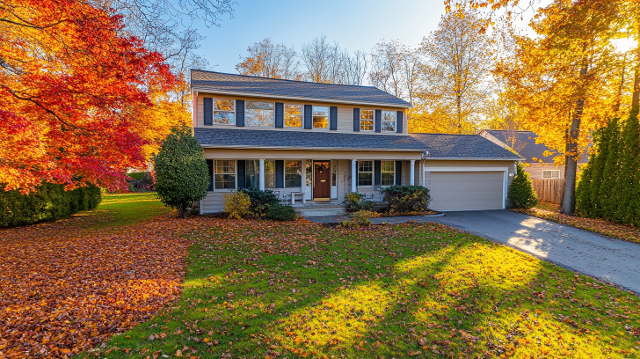
Did you know that nearly 30% of household energy loss occurs through poorly insulated windows and doors? This staggering figure highlights a frequently overlooked aspect of home maintenance that becomes especially critical as external conditions shift. Preparing your living space to handle these changes not only preserves comfort but also improves energy efficiency and safeguards your investment.
Assessing and Enhancing Insulation
Get The Latest News!
Don't miss our top stories and need-to-know news everyday in your inbox.
The first step in readying your home involves a thorough evaluation of insulation. Walls, attics, basements, and crawl spaces often harbor weak points where heat escapes or cold infiltrates, leading to increased energy consumption and discomfort.
Identifying Trouble Spots:
Start by inspecting your attic insulation; the U.S. Department of Energy recommends an insulation level of R-38 or higher in colder regions. Look for compressed, damp, or missing insulation. Similarly, check basement and crawl space walls for gaps or cracks. Using a thermal imaging camera can reveal hidden cold spots around your home’s envelope.
Upgrading Insulation:
Adding blown-in cellulose or spray foam insulation in attics and wall cavities can significantly reduce heat loss. For older homes, weather stripping and caulking around windows and doors are cost-effective measures to minimize drafts. For example, one homeowner in Vermont reported reducing their heating bill by nearly 15% after sealing air leaks around windows and doors prior to fall.
Maintaining Heating Systems and Ventilation
Reliable heating is essential for comfort and safety during cooler months. Neglecting furnace or boiler maintenance can lead to inefficiencies or unexpected breakdowns.
Furnace and Boiler Tune-Ups:
Schedule annual professional servicing to clean and inspect your heating system. Replace or clean filters monthly during heavy use to maintain air quality and system performance.
Ventilation Checks:
Proper ventilation prevents moisture buildup and indoor air pollution. Clean vents and ensure exhaust fans in kitchens and bathrooms are functioning correctly. Consider installing a programmable thermostat to optimize heating schedules, reducing wasted energy when spaces are unoccupied.
Protecting Plumbing from Temperature Drops
Frozen pipes are a common and costly issue when temperatures drop unexpectedly.
Insulating Pipes:
Use foam sleeves or heat tape on exposed pipes in unheated areas such as garages, basements, and attics. This simple step can prevent freezing and subsequent pipe bursts.
Drip Faucets:
On particularly cold nights, allowing a slow drip from faucets connected to vulnerable pipes can keep water moving, reducing the risk of freezing.
Preparing Outdoor Spaces and Gutters
Outdoor maintenance is often overlooked but plays a vital role in protecting the home’s structural integrity.
Gutter Cleaning and Repairs:
Leaves and debris in gutters can cause blockages, leading to water overflow and damage to siding or foundations. Clear gutters and downspouts thoroughly and check for signs of rust or leaks. Installing gutter guards can reduce future maintenance.
Protecting Landscaping and Outdoor Fixtures:
Trim tree branches that could fall under heavy winds or ice. Store garden hoses and drain irrigation systems to prevent freezing damage. Cover or bring indoors delicate outdoor furniture and grills.
Stocking Up and Emergency Preparedness
Unexpected weather can disrupt power and heating supplies, so preparation is key.
Emergency Supplies:
Keep flashlights, batteries, bottled water, and non-perishable food items on hand. A battery-powered or hand-crank radio can provide crucial updates during outages.
Backup Heating Options:
If your primary heating system fails, alternative sources such as a wood stove, pellet stove, or portable electric heater (used safely) can provide warmth.
Practical Tips to Maximize Efficiency and Comfort
- Seal Fireplace Dampers: When not in use, close dampers tightly to prevent warm air from escaping through chimneys.
- Use Window Treatments: Thermal curtains or cellular shades reduce heat loss overnight.
- Reverse Ceiling Fans: Set fans to rotate clockwise at low speed to push warm air downward.
- Schedule a Home Energy Audit: Many utility companies offer free or discounted audits to identify inefficiencies and recommend improvements.
Taking proactive steps to prepare your home can transform the often challenging transition into a seamless adjustment. By addressing insulation, heating, plumbing, and outdoor maintenance with thoughtful care, you ensure a safer, more comfortable, and energy-efficient environment. These efforts not only protect your home’s structure and systems but also contribute to long-term savings and peace of mind.
More like this:



- Most Popular


- Top Stories


- Most Recent



- Sign In
- Home
- Video
- News
-
Weather
 Sponsored by Michael Ryan Exteriors - Roofing Professionals
 - Sports
- Obits
- Events
- Radio
- AP News
- Shop Local
- Classifieds
- Autos
- Real Estate
- Directory
Get the RiverBender App


Follow Us
Copyright © 2026 RiverBender.com All rights reserved.
primary