


How to Prepare Your Home for Colder Weather
Preparing your home for colder weather is a multifaceted task.
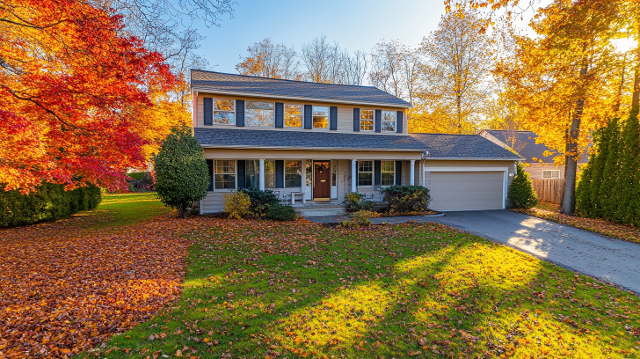
Did you know that nearly 40% of a household’s energy consumption during colder months goes toward heating? This staggering figure underscores the importance of having a well-prepared home—not only to stay comfortable but also to manage energy costs effectively. Preparing your home for colder weather isn’t just about adding blankets or turning up the thermostat; it involves strategic steps to enhance insulation, protect your infrastructure, and maintain indoor air quality. Here’s a comprehensive guide to help you optimize your living space for the colder months ahead.
Inspect and Upgrade Insulation
One of the most critical factors in maintaining warmth and energy efficiency is proper insulation. Heat loss through poorly insulated walls, attics, floors, and windows can significantly drive up heating bills.
Why it matters: According to the U.S. Department of Energy, homeowners can save an average of 15% on heating and cooling costs by properly insulating their homes.
What to do:
- Check attic insulation: Heat rises, and an inadequately insulated attic can be a major source of heat loss. Materials like fiberglass batts, blown-in cellulose, or spray foam can be added or topped up to recommended levels.
- Seal gaps and cracks: Inspect areas around windows, doors, and electrical outlets for drafts. Use weatherstripping and caulk to seal these leaks.
- Upgrade windows: Single-pane windows can lose up to five times more heat than double-pane windows. Consider installing energy-efficient double or triple-pane windows or use insulating window film as a budget-friendly alternative.
Maintain Heating Systems Efficiently
Ensuring your heating system operates efficiently is crucial for comfort and cost savings.
What to check:
- Furnace or boiler inspection: Have a certified technician service your heating system to ensure it’s running safely and efficiently. Replace filters regularly to improve airflow and reduce strain.
- Programmable thermostats: Installing a programmable thermostat allows you to set temperatures according to your schedule, reducing energy use when you’re not at home.
- Alternative heating sources: Space heaters or wood-burning stoves can supplement central heating, but it’s important to use these safely and not as primary heat sources unless designed for it.
Protect Plumbing Against Freezing
Frozen pipes are a common and costly problem during cold spells.
Key preventive measures:
- Insulate pipes: Use foam pipe insulation, especially for pipes in unheated areas like basements, garages, or crawl spaces.
- Seal leaks: Cold air entering through holes or cracks near pipes increases the risk of freezing. Seal these openings with caulk or spray foam.
- Keep faucets dripping: On extremely cold nights, letting a faucet drip slightly can prevent pipes from freezing by keeping water moving.
- Know your shut-off valve: In case a pipe does freeze and burst, knowing how to quickly turn off your main water valve can minimize damage.
Prepare Your Exterior
The exterior of your home serves as the first line of defense against cold weather.
Steps to fortify your home’s exterior:
- Clear gutters and downspouts: Remove leaves and debris to prevent ice dams, which can cause water to back up under your roof shingles.
- Inspect roofing: Look for damaged or missing shingles that could lead to leaks or heat loss.
- Trim tree branches: Heavy snow or ice can break branches, potentially damaging your home or power lines.
- Check outdoor faucets: Drain and shut off exterior water sources to prevent freezing and bursting.
Enhance Indoor Air Quality and Comfort
Cold weather often means closed windows and less ventilation, which can degrade indoor air quality.
How to maintain a healthy indoor environment:
- Use humidifiers: Cold air is dry, and indoor heating can exacerbate this, leading to dry skin and respiratory discomfort. Humidifiers add moisture back into the air.
- Ventilate strategically: Briefly opening windows to exchange stale indoor air with fresh outdoor air can improve air quality without losing too much heat.
- Clean heating vents and radiators: Dust and debris can reduce heating efficiency and circulate allergens.
Practical Tips to Save Energy and Stay Warm
- Layer your clothing and use blankets: Sometimes reducing the thermostat by a few degrees and wearing warmer clothes can cut energy costs significantly.
- Use heavy curtains: Thick drapes can reduce heat loss through windows at night.
- Arrange furniture wisely: Keep sofas and beds away from drafty windows and cold walls.
- Rugs and carpets: Adding rugs to bare floors can provide an extra layer of insulation and comfort.
Preparing your home for colder weather is a multifaceted task that combines improving insulation, maintaining heating systems, protecting plumbing, and optimizing comfort and air quality. By taking proactive steps to address these areas, you not only enhance your home’s warmth and livability but also reduce energy consumption and prevent costly damage. Thoughtful preparation today ensures a safer, more comfortable environment when the temperature drops.
More like this:



- Most Popular


- Top Stories


- Most Recent


- Sign In
- Home
- Video
- News
-
Weather
 Sponsored by Michael Ryan Exteriors - Roofing Professionals
 - Sports
- Obits
- Events
- Radio
- AP News
- Shop Local
- Classifieds
- Autos
- Real Estate
- Directory
Get the RiverBender App


Follow Us
Copyright © 2026 RiverBender.com All rights reserved.
primary