


Madison County’s Prescription Drug Take Back Day is Saturday
Local officials and the DEA team up for a safe medication disposal drive on October 25 in Edwardsville to reduce prescription drug misuse.
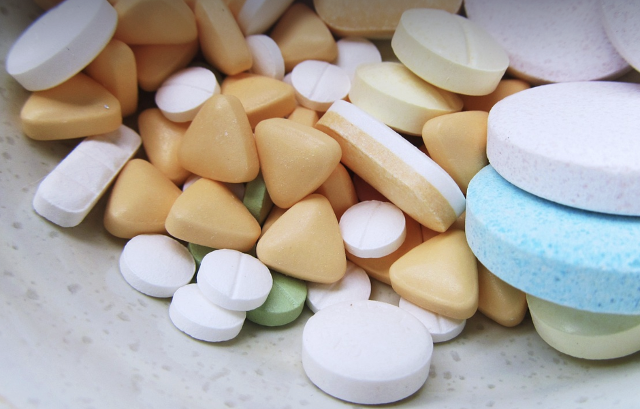
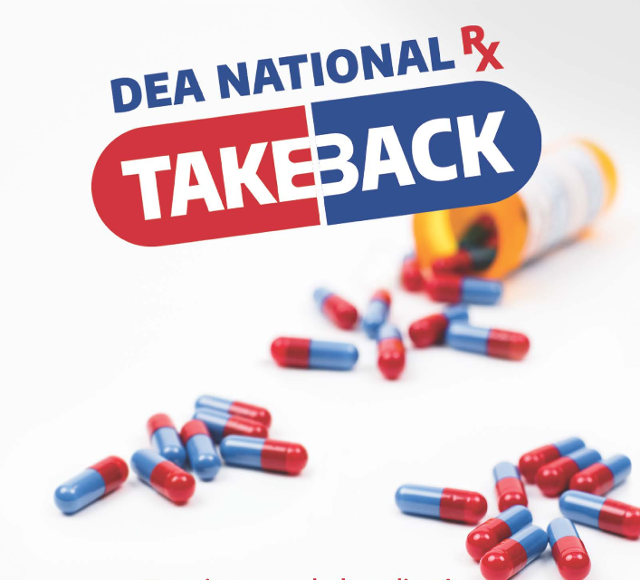 EDWARDSVILLE — Madison County’s law enforcement agencies, in cooperation with the U.S. Drug Enforcement Administration, will operate a drop-off site for Prescription Drug Take Back Day on Saturday, Oct. 25, in Edwardsville.
Madison County State’s Attorney Thomas A. Haine, Sheriff Jeff Connor, Coroner Nick Novacich and Emergency Management Agency Director Fred Patterson will be operating the drop-off site in coordination with the DEA. The drop-off site, open from 10 a.m. to 2 p.m., offers drive-up service. The site will be in the Madison County Administration Building’s back parking lot on Second Street in Edwardsville.
Get The Latest News!
Don't miss our top stories and need-to-know news everyday in your inbox.
The address for the Administration Building is: 157 North Main Street, Edwardsville, IL 62025. Coroner Novacich said: “By reducing the number of prescription medications on our streets and in our homes, we are helping ensure these drugs don’t fall into the wrong hands. Properly disposing of unneeded and expired medications is a simple yet powerful way we can all contribute to making Madison County a safer place to live.”
Sheriff Connor said, “The Drug Take Back program continues to be a proven way to lower the chances of prescription drugs getting into the hands of those who abuse these types of drugs.” Haine added: “We encourage residents to take advantage of this convenient way to dispose of unneeded medications. This program saves lives and would not be possible without the support of our law enforcement and community partners.” Many opioid addictions start with prescription pills found in medicine cabinets at home. Pharmaceutical drugs can be just as dangerous as street drugs when taken without a prescription or a doctor’s supervision. Items that can be accepted at the event include:
• Prescription medication, including controlled substances
• Over-the-counter medications
• Vitamins
Items that cannot be accepted include:
• Any illicit drugs. (These substances can be turned over to a police department at any time.)
• Sharp objects, including needles, auto-injectors, etc. Please check with your waste disposal company to learn their procedures for the safe disposal of these items.
• Liquids not secured in a leak-proof container.
• Biohazardous materials.
• Glass objects, including thermometers or other medical devices.
• Aerosols, including inhalers. Since 2010, DEA, along with its law enforcement partners, has collected 19.8 million pounds of unneeded prescription medications through this program.
More like this:

- Most Popular

- Top Stories



- Most Recent

- Sign In
- Home
- Video
- News
-
Weather
 Sponsored by Michael Ryan Exteriors - Roofing Professionals
 - Sports
- Obits
- Events
- Radio
- AP News
- Shop Local
- Classifieds
- Autos
- Real Estate
- Directory
Follow Us
Copyright © 2026 RiverBender.com All rights reserved.
primary