


Dairy and Fiber Foods Enhance Diabetes Management Effectively
Combining protein-rich low-fat dairy with fiber-rich foods can slow blood sugar rise and improve diabetes control in millions of Americans.
 Dairy foods and fiber: A smart pairing for diabetes management
November is National Diabetes Month — a national proclamation designed to raise awareness and education about diabetes. In the United States, approximately 38.4 million people have this chronic disease that affects how an individual’s body turns food into energy. Food choices, in conjunction with medication and physical activity, are key to managing diabetes. Protein-rich, low-fat dairy, paired with fiber-rich foods, can play an integral role in this management.
Get The Latest News!
Don't miss our top stories and need-to-know news everyday in your inbox.
Following a meal, the body’s digestive system breaks down carbohydrates — starches and natural or added sugars — into glucose, a simple sugar that is the body’s preferred energy source. To provide the body’s cells with this energy, the pancreas produces the hormone insulin, which allows glucose to enter the body’s cells. However, when people have diabetes, they no longer make insulin (type 1 diabetes), or they make a reduced amount of insulin or do not use it efficiently (type 2 diabetes or gestational diabetes). The glucose, or blood sugar, then remains in the bloodstream, which can lead to health complications.
Protein + fiber slows rise of blood sugar
While diabetes is a complex and long-term disease, meal choices can make a positive impact on an individual’s overall wellness. Including protein and fiber-rich foods in every meal, for example, will slow the digestion of carbohydrate-rich foods. This, in turn, helps slow the blood-sugar rise after meals and can make diabetes medications more effective.
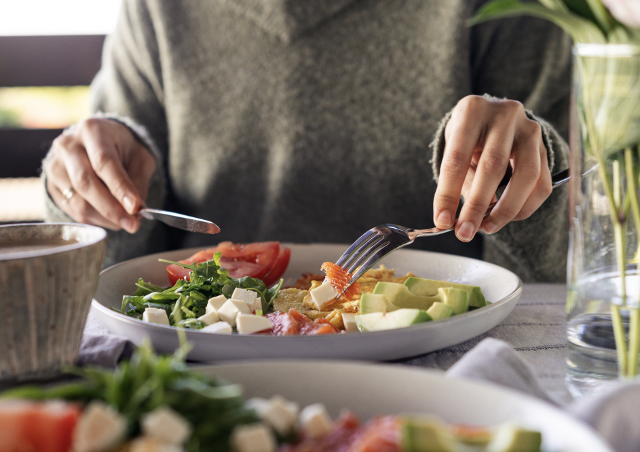
“Milk, cheese, yogurt and cottage cheese provide quality protein, healthy fats and varying amounts of carbohydrates,” said Maggie Nosic, a nutrition educator and registered dietitian with St. Louis District Dairy Council. “When you combine one of these dairy foods with fiber-rich foods like non-starchy vegetables, berries or whole grains, the blood-sugar rise post-meal will likely slow down. For example, a half cup of cottage cheese delivers 12 grams of protein and only 6 grams of carbohydrates. Low-fat dairy foods with low to no added sugar can be strategic additions to meals and snacks for diabetes management and for promoting a sense of fullness after meals.”
Dairy provides calcium and vitamin D
Milk, yogurt and cheese are excellent sources of calcium. Milk and some varieties of yogurt and cheese are also fortified with vitamin D, which is essential for absorbing calcium in the diet. Both nutrients tie into insulin production, and some studies have shown that vitamin D may help reduce insulin resistance in those with type 2 diabetes. In addition, eating yogurt regularly, at least 2 cups (3 servings) per week, may reduce the risk of type 2 diabetes according to limited scientific evidence, per the U.S. Food and Drug Administration.
“According to the Dietary Guidelines for Americans, calcium and vitamin D are nutrients of concern as most Americans do not consume enough of these nutrients daily,” Nosic said. “Calcium and vitamin D are essential for bone health throughout our lives. Vitamin D also supports the immune system and can help reduce inflammation, a trigger of type 2 diabetes. Relying on dairy for these important nutrients is helpful.”
Seek a registered dietitian for nutrition counseling
Registered dietitians are uniquely qualified to help people with their nutrition journey and management of diabetes. Dietitians provide individualized counseling tailored to one’s needs and goals, and work with their clients’ healthcare team.
“Each person with diabetes will have their own unique response to various foods, food combinations and meal timing,” Nosic. “And every day can be different from the last, even if the same foods are eaten. Working with a registered dietitian can be incredibly helpful in navigating diabetes and nutrition. Being proactive with meal choices and activity can go a long way toward fostering health.”
###
About the St. Louis District Dairy Council
The St. Louis District Dairy Council (SLDDC) is a nonprofit nutrition education organization funded by local dairy farmers. Since 1932, SLDDC has served 131 counties in central/southern Illinois and eastern Missouri as the go-to educational resource and advocate for the role of dairy foods as part of a healthful diet. As The Nutrition Education People, we are proud to spread knowledge to local communities, bridging the gap between local dairy farmers and consumers.

Triple Protein Pancakes
Rolled oats, cottage cheese and eggs whip together to produce delicious pancakes that provide fiber and protein. Top the pancakes with lemon yogurt and blueberries to start your day right.
Servings: 2 (3 pancakes per serving)
Prep Time: 20 minutes
Ingredients
1 cup low-fat cottage cheese
1 cup rolled oats
2 eggs
1 ½ teaspoons stevia
1 teaspoon baking powder
1/8 teaspoon salt
½ Tablespoon butter
½ cup low-fat lemon yogurt
½ cup frozen blueberries, thawed and warmed
Instructions
- In a blender, combine the cottage cheese, oats, eggs, stevia, baking powder and salt. Once blended, the mixture should be thick and smooth.
- Over medium heat, heat a non-stick skillet. Melt butter on skillet. Using a ¼ cup measuring cup, measure and pour pancake batter onto skillet. After 4 minutes, flip the pancakes.
- Cook pancakes until they are golden brown on each side.
- Place the pancakes on a plate, spread the yogurt on top of each pancake (1/4 cup per 3 pancakes). Build a stack of pancakes and then pour the warmed blueberries (with juice) on top. Serve immediately.
More like this:



- Most Popular



- Top Stories



- Most Recent


- Sign In
- Home
- Video
- News
-
Weather
 Sponsored by Michael Ryan Exteriors - Roofing Professionals
 - Sports
- Obits
- Events
- Radio
- AP News
- Shop Local
- Classifieds
- Autos
- Real Estate
- Directory
Follow Us
Copyright © 2026 RiverBender.com All rights reserved.
primary