


The Evolution of Halloween and How It’s Celebrated Today
Halloween has grown into a cultural phenomenon far beyond its ancient origins.

Did you know that the global Halloween market was projected to reach over $12 billion in retail sales in 2024? From costumes and candy to decorations and parties, Halloween has grown into a cultural phenomenon far beyond its ancient origins. But how did a festival rooted in ancient rites transform into the commercial and social celebration we recognize today? Exploring the evolution of Halloween reveals much about cultural adaptation, commercialization, and the human fascination with the eerie and the festive.
Ancient Origins: From Samhain to All Hallows’ Eve
Get The Latest News!
Don't miss our top stories and need-to-know news everyday in your inbox.
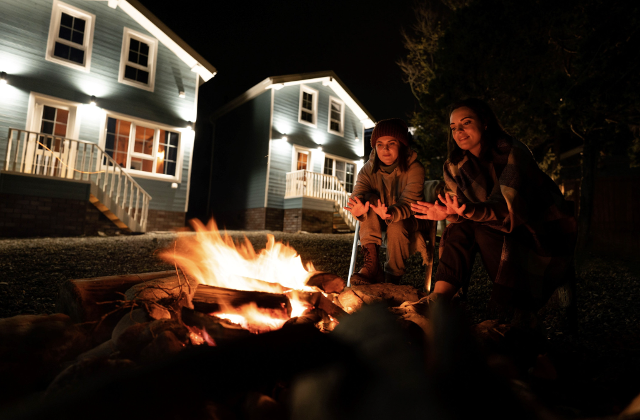
Halloween’s roots trace back over 2,000 years to the Celtic festival of Samhain, celebrated primarily in what is now Ireland, Scotland, and Northern France. Samhain marked the end of the harvest season and the beginning of winter, a time believed to blur the boundaries between the living world and the spirit realm. During Samhain, people lit bonfires and wore costumes to ward off roaming ghosts. This ancient festival was deeply spiritual and tied to agricultural cycles rather than the fun and festivities we associate with Halloween today.
With the spread of Christianity, the festival was gradually incorporated into Christian traditions. By the 9th century, the church designated November 1 as All Saints’ Day (also called All Hallows’ Day), a time to honor saints and martyrs. The evening before became known as All Hallows’ Eve, eventually shortened to Halloween. This shift softened the pagan overtones but preserved the idea of a spiritual connection to the dead.
Halloween in America: From Immigrant Traditions to Popular Culture
Halloween was relatively obscure in early America, overshadowed by other holidays. However, waves of Irish and Scottish immigrants in the 19th century brought their traditions, including the practice of “guising” — children dressing in costumes and performing tricks or songs in exchange for food or coins. This custom evolved into modern trick-or-treating.
By the early 20th century, Halloween had become a more community-centered holiday, with parades, parties, and games replacing some of the earlier superstitious practices. The commercialization of Halloween began in earnest during this period, with companies manufacturing costumes, decorations, and candies specifically for the holiday. The establishment of mass-produced plastic pumpkins, rubber masks, and themed candy bars helped transform Halloween into a family-friendly celebration.
Contemporary Halloween: A Blend of Tradition and Innovation
Today, Halloween is a multifaceted event celebrated in many countries, each adding its unique twist. In the United States, Halloween is characterized by trick-or-treating, haunted attractions, costume parties, and elaborate home decorations. Popular culture has embraced Halloween themes in movies, television, and literature, reinforcing its place in the entertainment industry.
Social media and digital technologies have further transformed Halloween celebrations. Virtual costume contests, online haunted house tours, and themed video games allow people to participate regardless of location. Retailers now offer a wide range of products catering to diverse interests, from horror enthusiasts to families seeking safe, kid-friendly activities.
Internationally, Halloween’s influence is growing, though it often blends with local customs. In Mexico, for example, Día de los Muertos (Day of the Dead) is celebrated around the same time with altars honoring deceased loved ones, colorful parades, and symbolic foods. In Japan, Halloween has become popular for cosplay and street parties, with an emphasis on creativity and spectacle rather than traditional ghost lore.
Practical Tips for Enjoying Halloween Today
Whether you’re a seasoned Halloween enthusiast or new to the festivities, here are some ways to make the most of the holiday:
- Plan Your Costume Early: With popular costumes selling out quickly, consider creating a unique DIY costume. This can be more personal and budget-friendly.
- Create a Safe Trick-or-Treating Environment: If you’re hosting, provide well-lit walkways, clear decorations, and allergy-friendly candy options to ensure safety and inclusivity.
- Explore Local Events: Many communities offer haunted houses, pumpkin patches, and themed runs. Participating can deepen your experience and support local businesses.
- Incorporate Technology: Use apps to map safe trick-or-treat routes, join virtual costume contests, or stream Halloween-themed movies for a socially distant celebration.
- Respect Cultural Variations: Recognize and appreciate the different ways people celebrate around the world, especially traditions like Día de los Muertos, which honor the dead with profound cultural significance.
Reflecting on Halloween’s Journey
From ancient Celtic rituals to a trillion-dollar global celebration, Halloween’s evolution reflects broader societal changes—religious shifts, immigration patterns, commercialization, and technological innovation. While its core themes of confronting the supernatural and honoring the dead remain, the ways people engage with the holiday have diversified tremendously. Whether through spooky decorations, community gatherings, or digital experiences, Halloween continues to adapt, inviting each generation to celebrate life, death, and the mysterious in ways that resonate with their time and culture.
More like this:



- Most Popular


- Top Stories


- Most Recent

- Sign In
- Home
- Video
- News
-
Weather
 Sponsored by Michael Ryan Exteriors - Roofing Professionals
 - Sports
- Obits
- Events
- Radio
- AP News
- Shop Local
- Classifieds
- Autos
- Real Estate
- Directory
Get the RiverBender App


Follow Us
Copyright © 2026 RiverBender.com All rights reserved.
primary