


Local Nurse Practitioner Explains How to Take Stay Healthy This Flu Season and What to Do If You Get Sick
Manage symptoms at home with expert tips from Airline Care Clinic’s Betsy Dykeman.


EAST ALTON - As cold and flu season approaches, one local nurse practitioner has advice on how to stay healthy and what to do if you feel sick.
Get The Latest News!
Don't miss our top stories and need-to-know news everyday in your inbox.
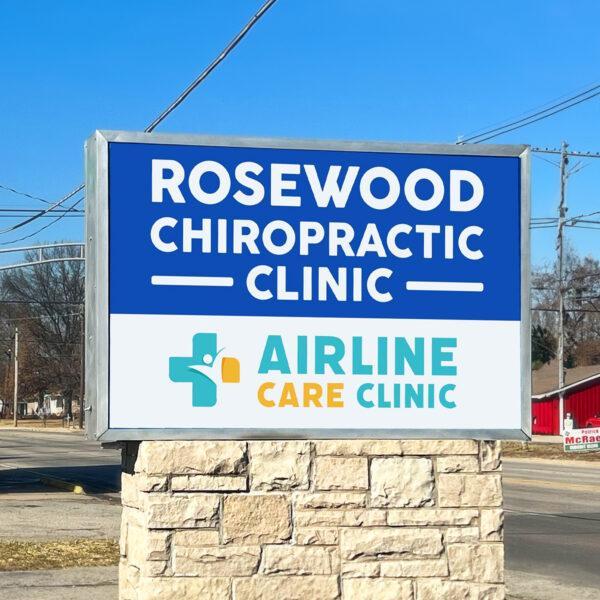
Betsy Dykeman owns Airline Care Clinic inside Rosewood Chiropractic Clinic in East Alton. She shared that for most cold and flu symptoms, the best thing to do is to “ride it out.” But that doesn’t mean you have to be miserable.
Acetaminophen and ibuprofen are best for symptom relief. Dykeman explained you can take 325–1,000 milligrams of acetaminophen every eight hours, maxing out at 4,000 milligrams per day.
Four hours after an acetaminophen dose, take ibuprofen. You can take ibuprofen every eight hours, totaling up to 1,200 milligrams of ibuprofen a day. If you alternate these medications, you’re taking a dose of either ibuprofen or acetaminophen every four hours until you feel better. Never exceed the maximum daily dose of either drug.
“You can do that for just a couple of days to help get you through the worst part,” Dykeman said. “And then a lot of fluid, a lot of water, a lot of steam to kind of get things out. But it’s just treating your symptoms.”
Seek medical care if your fever persists over three days, symptoms worsen, or dehydration occurs.
Dykeman encourages her patients to stay away from multi-symptom flu and cold medicine, as these medications often combine smaller doses of different meds. For example, a flu medicine might contain 300 milligrams of acetaminophen, but this isn’t a full dose of acetaminophen and won’t relieve your symptoms as effectively as a full dose of acetaminophen on its own.
“Everything is too small of an amount to actually do any good,” she explained. “It’s not doing anything.”
Instead, Dykeman recommends taking full doses of cough medicine, acetaminophen, ibuprofen and guaifenesin as needed to mitigate symptoms.
She emphasized that the common cold and the flu are viruses, so they can’t be treated with antibiotics. Other illnesses, like sinus infections and strep throat, are bacterial in nature, and Dykeman can prescribe antibiotics as needed.
Of course, prevention is still your best bet. Dykeman said getting a flu vaccination is “the best prevention” to avoid contracting the flu. Masking is another great method to avoid ingesting droplets that might spread the flu or common cold.
But there are other ways to boost your immune system. Dykeman herself takes 500 milligrams of vitamin C and ten milligrams of zinc every day. She also pointed to citrus fruits, bell peppers, broccoli, strawberries, beef, lentils, oysters and pumpkin seeds as natural sources of vitamin C and zinc.
If you’re sick, Dykeman reminds people to stay home and rest as much as possible. She urges patients not to return to school or work until symptoms are resolving and you’re fever-free for 24 hours without using acetaminophen or ibuprofen. Not only does this help you feel better, but it also avoids spreading the illness to others.
Dykeman is focused on education and prevention. She emphasized that she is always available for community members if they have any questions about how to treat an illness, if they’re unsure whether or not they should come in, or if they need help treating their symptoms.
“People, with their benefits going away and everything, I really want to be able to help out. I don't want people to go to the urgent care or emergency rooms for stuff they don’t need to, but they need to be seen,” she added. “They can call me anytime.”
For more information about Airline Care Clinic, visit their official website at AirlineCareClinic.com or call Dykeman directly at (618) 908-8602.
More like this:




- Most Popular



- Top Stories



- Most Recent
- Sign In
- Home
- Video
- News
-
Weather
 Sponsored by Michael Ryan Exteriors - Roofing Professionals
 - Sports
- Obits
- Events
- Radio
- AP News
- Shop Local
- Classifieds
- Autos
- Real Estate
- Directory
Get the RiverBender App


Follow Us
Copyright © 2026 RiverBender.com All rights reserved.
primary