


Dietitian Reveals Foods That Lower Cancer Risk
Jeanna Rich emphasizes whole grains, colorful produce, and Omega-3s as key dietary factors to nourish the body and reduce cancer risk effectively.
 When it comes to lowering your risk of cancer, what you add to your plate can make a meaningful difference.
Jeanna Rich, an oncology registered dietitian with OSF Cancer Support Services, says the key is nourishing the body with whole grains, colorful fruits and vegetables, fiber-rich foods and Omega-3s.
Get The Latest News!
Don't miss our top stories and need-to-know news everyday in your inbox.
As someone who works closely with cancer patients, Rich encourages people to think of food as a daily opportunity to fuel the immune system and support long-term health.
Why fiber matters
Most Americans fall short on fiber; a nutrient vital for good gut bacteria, healthy digestion and lowering the risk of colorectal cancer.
Rich says increasing fiber can be simple. Start by working whole grains into meals: oats, wild rice, flax seed, walnuts, pumpkin seeds and chia seeds. They can easily be sprinkled onto cottage cheese, Greek yogurt or oatmeal to boost texture and nutrition.
Research backs up these benefits. A large group of researchers from 15 international cohort studies, including scientists from the American Cancer Society (ACS), analyzed data from more than 842,000 men across North America, Europe, Australia and Asia. Their findings suggest that dietary fiber may lower the risk of developing advanced and aggressive forms of prostate cancer. Additional ACS findings note that whole grains may help fight against advanced prostate cancer.
Rich offers a practical approach to building a fiber-forward breakfast.
"Another great way to add fiber is with our yogurt. A lot of us make yogurt parfaits, but here's a way to take it to the next level. Add chia seeds, flax seeds, pumpkin seeds and walnuts," Rich says. "Top them with berries, which contain a ton of fiber."
Berries – whether fresh or frozen – are packed with vitamins, antioxidants and deep pigments that signal high nutrient content. Rich recommends buying frozen berries and storing them in the fridge to thaw, making them easy to add into yogurt, cottage cheese or morning oatmeal. Frozen produce can be a cost-effective option, especially when items are out of season, Rich says. Thanks to the flash-freezing process, these foods retain their nutrients and offer the same high-quality nutrition as fresh varieties, she adds.
Other high-fiber additions include quinoa, lentils and canned beans, which are paired well with salads, vegetables and hearty meals.
The power of Omega-3s
Omega-3 fatty acids play a crucial role in reducing inflammation and strengthening immune cells.
Some plant-based Omega-3s are found in foods like ground flax seed, but Rich notes that fish-based sources are more efficiently used by the body.
"Some Omega-3s will be found in ground flax seed. However, your body doesn't utilize it as effectively. So, you want to go for those Omega-3s, found in salmon. Keep it frozen in your freezer and choose products that are wild caught. That will have a higher concentration of Omega-3s," Rich says. "Omega-3s help decrease inflammation in our body and increases our fighter cells, so it's a wonderful way to protect from chronic disease and cancer."
Salmon can easily be added into breakfast dishes, salads or purchased as salmon patties. Canned sardines are another convenient, nutrient-dense option.
A need for more vegetables, and more variety
Despite growing awareness of the benefits of produce, Americans still struggle to get enough vegetables into their diet.
"A lot of us are not getting enough vegetables. Many Americans are getting a decent amount of fruit, but vegetables are the tricky ones. When it comes to veggies, diversity is key," Rich says. "On average, most of us only use the same 10 vegetables in our eating routine."
Rich encourages using easy steamer bags filled with multiple vegetables. These mixes often include an array of colors – a good sign you're getting a wide range of nutrients that help fight cancer and chronic disease.
The benefits of polyphenols
Colorful fruits and vegetables bring another powerful nutrient group: polyphenols.
"Polyphenols, flavonoids and lycopene are some key words you may be hearing. Those are the things that are activated in your body and helping protect you," Rich says. "Polyphenols are becoming very popular and are in studies about the gut microbiome. That is considered a source of prebiotics, as well. All these different colors can help feed that good bacteria that helps your immune system be healthy."
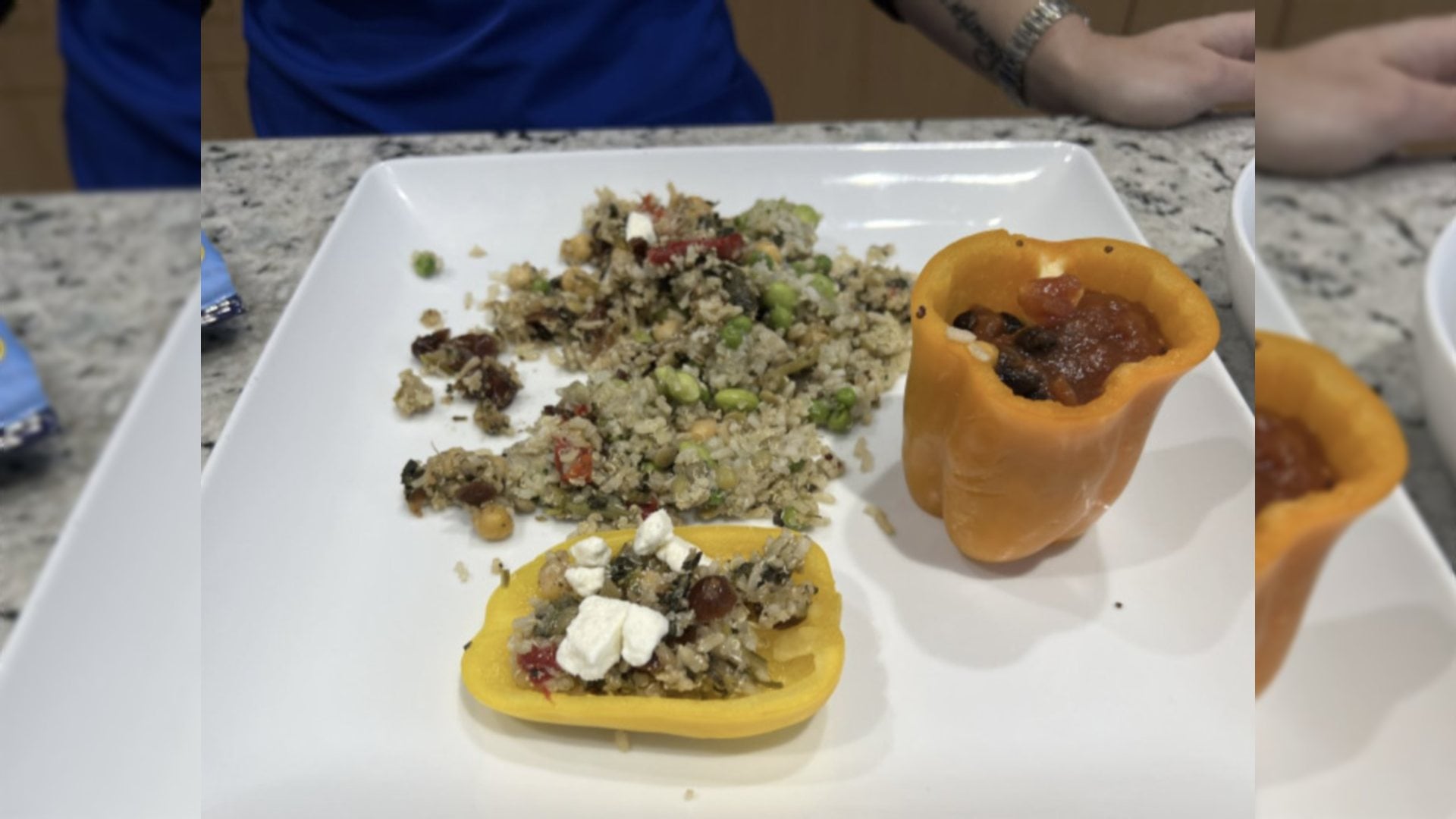
Lycopene – found in red and orange produce like tomatoes and peppers – is known to help protect against prostate cancer. Cooked tomatoes are especially beneficial because heat increases lycopene concentration.
Rich suggests adding tomatoes into soups, stews and chili to boost cancer-fighting potential.
What kinds of cancer can a healthy diet protect against?
According to Rich, the right dietary patterns can help protect against a wide range of cancers:
- Breast
- Ovarian
- Gynecologic
- Prostate
- Colorectal
- Gastric
Fiber, Omega-3s and polyphenols are particularly powerful against colorectal and gastric cancers.
Additionally, managing weight through a balanced diet can reduce estrogen production in adipose tissue — a factor that increases breast cancer risk.
Fiber, protein, fruits and vegetables help reduce that risk and help us live a healthier life.
Surprising ways to get more protein
Protein also plays a crucial role in prevention and is especially important for those undergoing treatment.
Rich offers several easy, creative ways to boost protein intake:
- Scrambled eggs: Whisk in cottage cheese to make them “extra fluffy and packed with more protein.”
- Greek yogurt: Blend into red tomato sauce or pasta dishes or use it to make spinach artichoke dip.
- Oatmeal: Add kefir to boost protein and probiotics, helping reduce blood sugar spikes and inflammation.
Foods and drinks to limit or avoid
To best support your health, Rich recommends minimizing:
- Ultra-processed foods
- Artificial additives
- Alcohol
- Excess red meats
- Color dyes
- Processed meats
These items contribute to inflammation and can increase the risk of several types of cancer.
To learn more about how cooking and nutrition work together to improve your health, visit the OSF HealthCare Cancer Institute Teaching Kitchen's website.
More like this:




- Most Popular



- Top Stories



- Most Recent



- Sign In
- Home
- Video
- News
-
Weather
 Sponsored by Michael Ryan Exteriors - Roofing Professionals
 - Sports
- Obits
- Events
- Radio
- AP News
- Shop Local
- Classifieds
- Autos
- Real Estate
- Directory
Follow Us
Copyright © 2026 RiverBender.com All rights reserved.
primary