


This Weekend in History on December 6 and 7: Attack on Pearl Harbor
Read on to learn more about what has happened on this weekend in history.

December 6 and 7 have long been days marked by pivotal events that have shaped the course of history around the world.
Our story begins in the early 20th century with Finland’s bold step toward sovereignty. On December 6, 1917, amidst the turmoil following the Russian Revolution, the Finnish Parliament formally declared independence from Russia. This courageous act was the culmination of decades of national awakening and struggle for autonomy. The declaration not only marked the birth of a new nation but also had far-reaching implications during a period of upheaval in Europe. Finland’s independence was soon recognized by Soviet Russia, setting a precedent for Finland’s neutral stance in subsequent global conflicts and laying the foundation for its democratic institutions and economic development.
Moving back to the 19th century, December 6, 1865, witnessed a significant political development in the United States with the adoption of the 13th Amendment to the Constitution, which formally abolished slavery. The date marks a period of transformative change in American society, signaling the end of centuries of enslavement and a commitment to civil rights that would continue to evolve over the following decades. This landmark legislation remains a cornerstone in the ongoing struggle for equality and justice in the United States.
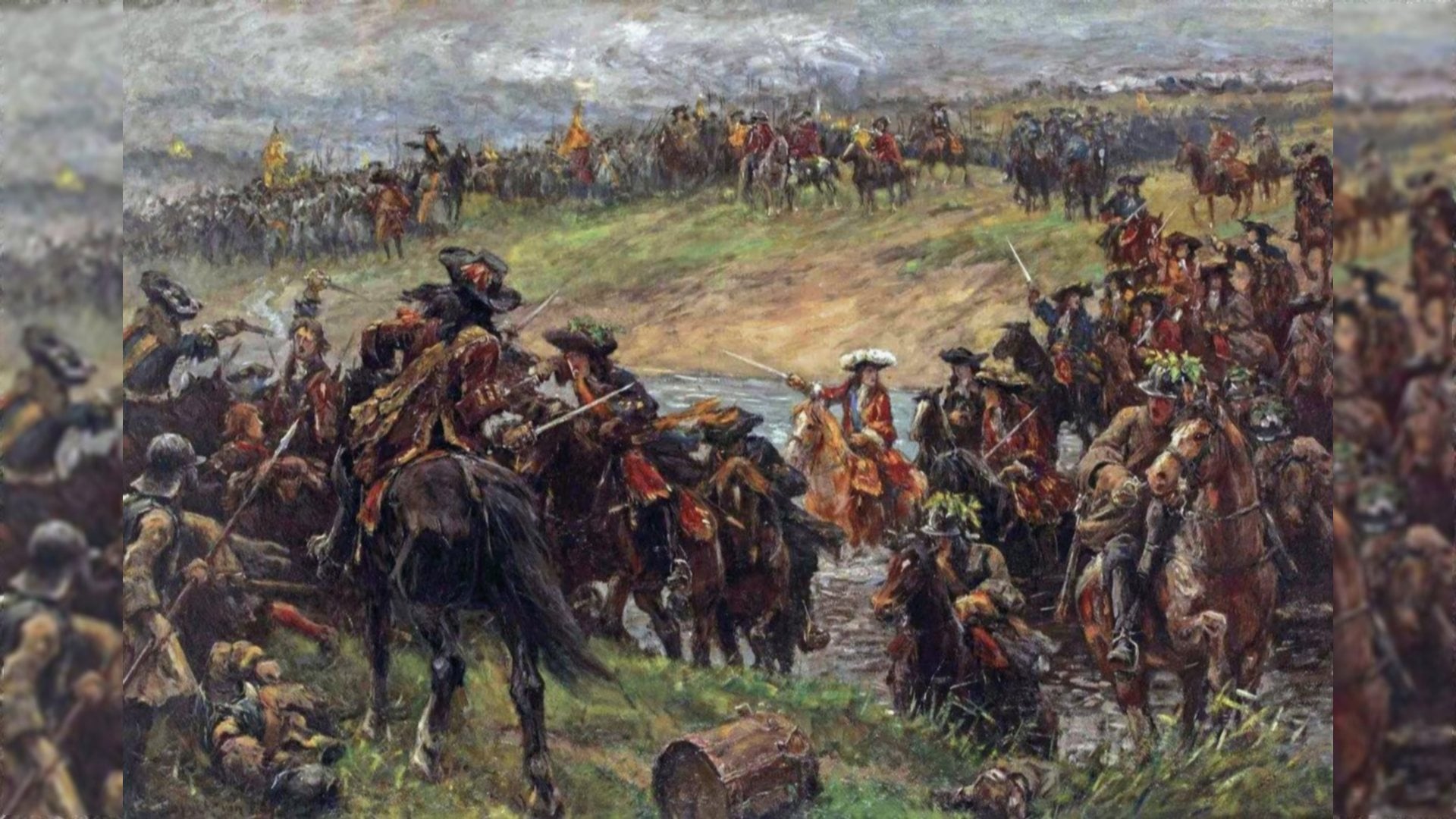
Another notable event on this day occurred in 1921, when the Anglo-Irish Treaty was signed in London. This treaty ended the Irish War of Independence and established the Irish Free State as a self-governing dominion within the British Commonwealth. While the treaty was controversial and led to a bitter civil war in Ireland, it was a crucial step in Ireland’s path toward full sovereignty and has had a lasting impact on relations between Ireland and the United Kingdom.
In the realm of science and exploration, December 6, 1924, stands out as the day when the first successful liquid-fueled rocket test was conducted by Robert H. Goddard in Auburn, Massachusetts. This pioneering experiment laid the groundwork for modern rocketry and space exploration, eventually leading to humanity’s ventures beyond Earth’s atmosphere. Goddard’s work, initially met with skepticism, is now celebrated as visionary and foundational in the history of aerospace engineering.
The day is also remembered for tragic events, such as the 1989 École Polytechnique massacre in Montreal, Canada. On December 6, 1989, a gunman targeted female engineering students, resulting in the loss of 14 lives and sparking a national conversation about violence against women and gun control. The anniversary of this tragedy is observed in Canada as the National Day of Remembrance and Action on Violence Against Women, honoring the victims and promoting awareness and prevention.
On a lighter note, December 6 is celebrated as Saint Nicholas Day in many parts of the world, a tradition that honors the historical figure who inspired the modern Santa Claus. Festivities and customs associated with this day reflect cultural heritage and the spirit of giving, especially in European countries where children receive small gifts and treats.
Through these diverse events, December 6 emerges as a day of profound historical significance.
December 7 has also long been a date etched in the collective memory of the world, marked by events that have significantly influenced the course of history.
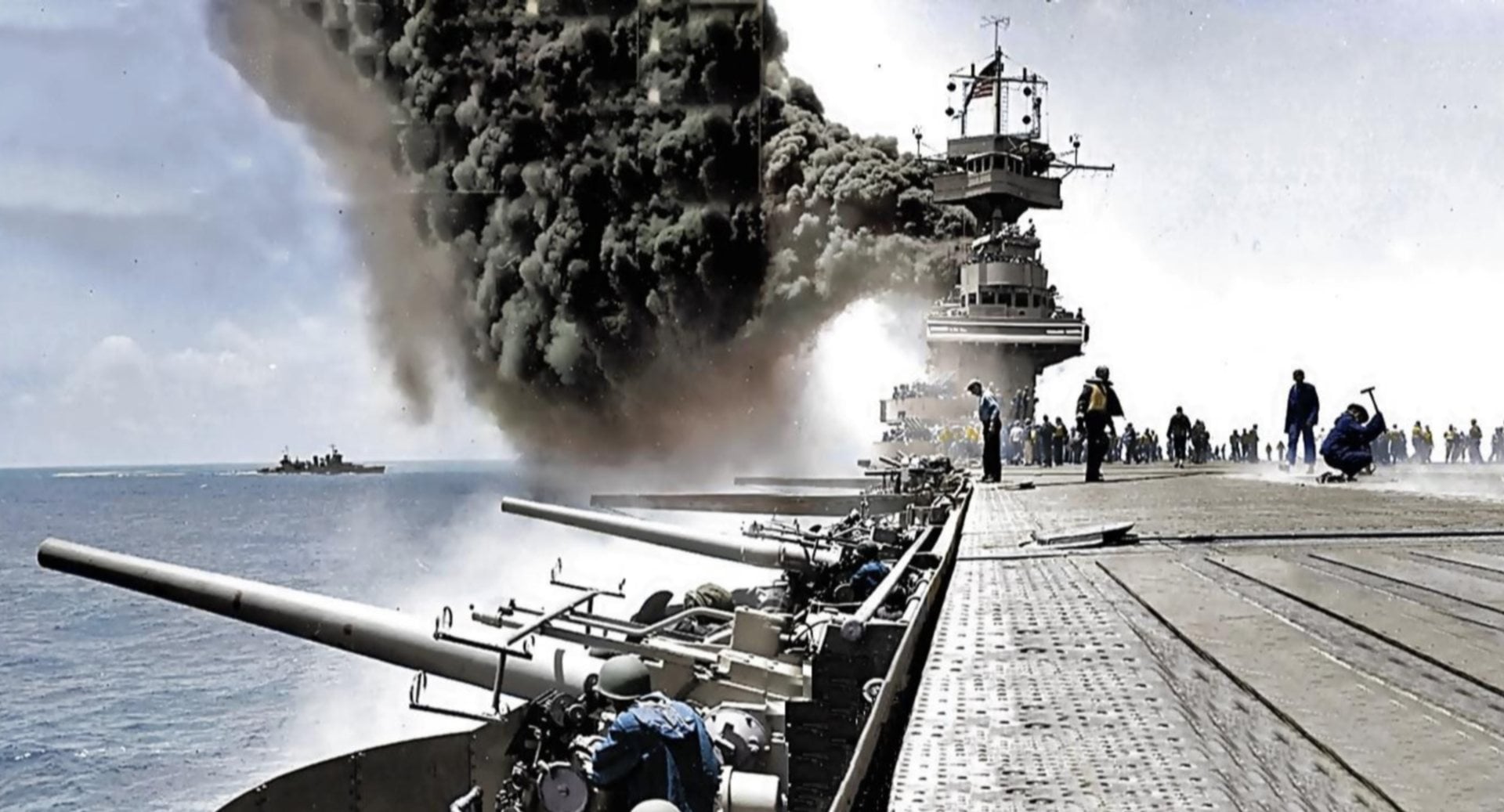
Starting with the most impactful event, on the morning of December 7, 1941, the Imperial Japanese Navy launched a surprise military strike against the United States naval base at Pearl Harbor, Hawaii. This devastating attack resulted in the loss of more than 2,400 American lives and severe damage to the Pacific Fleet, including the sinking or damaging of numerous battleships and aircraft. The attack galvanized the United States, which declared war on Japan the following day, marking its official entry into World War II. This event not only transformed the trajectory of the war but also altered international relations and the balance of power for decades to come.
Looking back further, on December 7, 1787, Delaware became the first state to ratify the United States Constitution. This ratification was a landmark step in the formation of the United States as a unified nation under a strong federal government. Delaware’s decision set the precedent for the subsequent ratification by other states, shaping the foundation of American democracy and governance that continues to this day.
Moving into the scientific domain, on December 7, 1972, Apollo 17, the final mission of NASA's Apollo program, launched from Cape Canaveral, Florida. This mission was notable for being the last time humans traveled beyond low Earth orbit and landed on the Moon. Astronauts Eugene Cernan, Harrison Schmitt, and Ronald Evans conducted extensive lunar explorations, collecting valuable scientific data and samples that have contributed to our understanding of the Moon and the broader solar system.
Other notable events include the opening of the first edition of the British newspaper 'The Times' on December 7, 1785, which would go on to become one of the most respected and widely read newspapers worldwide, shaping public opinion and journalism standards.
As we reflect on these diverse historical moments, it becomes clear that December 6 and 7 are dates that encapsulate pivotal shifts in war and peace, governance, exploration, science, and culture.
More like this:



- Most Popular



- Top Stories

- Most Recent


- Sign In
- Home
- Video
- News
-
Weather
 Sponsored by Michael Ryan Exteriors - Roofing Professionals
 - Sports
- Obits
- Events
- Radio
- AP News
- Shop Local
- Classifieds
- Autos
- Real Estate
- Directory
Get the RiverBender App


Follow Us
Copyright © 2026 RiverBender.com All rights reserved.
primary