


Midday Munching: Prepping a Diabetes-Friendly Lunch
Discover practical tips to create balanced meals rich in protein, fiber, and healthy fats to maintain stable blood sugar throughout the day.
Key takeaways:
- People with diabetes should plan their lunches to keep their blood sugar in check.
- Generally, choose food high in protein, fiber and healthy fats. Avoid processed meat and fried food.
- At restaurants, ask to substitute ingredients. Dessert is OK as long as you don't overindulge.
- Know the signs of low blood sugar, like feeling shaky, anxious, having blurred vision and even passing out.
Get The Latest News!
Don't miss our top stories and need-to-know news everyday in your inbox.
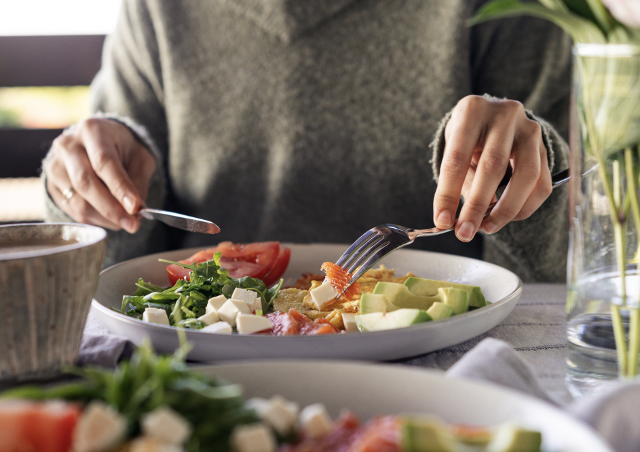
Have a plan.
It's something any health care provider will tell a person with diabetes. Plan your meals and know your body’s red flags and know how to respond. Then, you’re best able to enjoy meals, whether at home, work or out with friends.
Nikki McBeath, RN, BSN, a diabetes resource educator at OSF HealthCare, agrees. She’s sharing tips for a diabetes-friendly lunch that keep your blood sugar in check.
- Generally, McBeath says to choose foods that are high in protein, fiber and healthy fats. Healthy fats can be found in avocados, nuts, seeds, fish, peanut butter and olive oil. Avoid unhealthy fats, like processed meat, fried foods, full-fat dairy, coconut oil and palm oil.
- Take Sunday night to meal prep for the week. Then, you don’t have to think about your food choices. It doesn’t have to be a daunting task, McBeath says.
“With a lot of the patients I see, I recommend going to the store and getting steamable bags of vegetables. It’s super easy. You put it in the microwave for three minutes,” McBeath recalls. “There are lots of simple versions of foods. Get them [at the store], and make them quickly at home. It’s easier than people think. They just have to be on the lookout at the store.”
Article continues after sponsor messageSimple-to-make bagged chicken is another healthy grocery store choice. In fact, a favorite dish of McBeath’s is garlic chicken, Brussels sprouts and brown rice. The American Diabetes Association also has healthy eating tips.
- Eating lunch at a restaurant can present challenges. It’s a limited menu, and there’s temptation to lather your morsels in sauces and dressings.
“Go to restaurants that let you substitute ingredients or ask your meal be cooked a certain way. Ask how things are prepared,” McBeath suggests. “Avoid fried foods. Ask for light or fat free dressing. Be mindful of the extra calories that come with big portions.”
When the waiter or waitress asks about dessert, McBeath says moderation is key. She says most desserts are high in carbohydrates due to high sugar, flour and dairy content.
“Throughout the day, count your carbs. Leave some room [in your carb budget] for something sweet,” McBeath says. “Portion yourself. Have the dessert right after your meal. Don’t wait a couple hours because you might be hungry for more.
“Try substitutions like dark chocolate for regular chocolate or white chocolate,” she adds. That’s because dark chocolate has less sugar substitute.
- Busy at work? Constantly on the go? Avoid making the fast food drive-through your second home. Instead, McBeath says you can choose a granola bar that’s high in protein, fiber and healthy fats. And watch the serving size. If it’s one or two bars, make that your meal, not the whole box.
“Pair the granola bar with something like string cheese or peanut butter,” McBeath says. “Adding some fiber or protein can make it more of a meal and give it more of a balance for your blood sugar.”
- Know your body’s warning signs. Symptoms of high blood sugar, McBeath says, include dry mouth, increased urination and generally not feeling well. Low blood sugar, she says, is more concerning in the moment. You can feel shaky, anxious, have blurred vision and even pass out. So, always have supplies handy. You can eat hard candy, honey or glucose tablets as prescribed by a provider to counteract low blood sugar. Bring your glucose meter to lunch, too.
“Better safe than sorry,” McBeath says.
More like this:
- Most Popular


- Top Stories



- Most Recent


- Sign In
- Home
- Video
- News
-
Weather
 Sponsored by Michael Ryan Exteriors - Roofing Professionals
 - Sports
- Obits
- Events
- Radio
- AP News
- Shop Local
- Classifieds
- Autos
- Real Estate
- Directory
Follow Us
Copyright © 2026 RiverBender.com All rights reserved.
primary