


Menopause and Cardiovascular Disease: Is There a Connection?
Studies reveal that women experiencing menopause before 45 face higher chances of cardiovascular issues, especially if they have Type 2 diabetes.
Key Takeaways
- Studies show that early menopause can increase the risk of heart disease in women.
- When estrogen levels drop during menopause, it can lead to higher cholesterol, blood pressure and body fat levels.
- Cardiovascular disease is the leading cause of death among women of all ages.
- Hormone replacement therapy is an option to discuss with your health care provider.

Get The Latest News!
Don't miss our top stories and need-to-know news everyday in your inbox.
Early menopause (menopause that occurs before age 45) has been found to increase the risk of heart disease.
According to a study by the American Diabetes Association, that included data from nearly 10,000 postmenopausal women, researchers looked at the connection between early menopause, Type 2 diabetes, and cardiovascular disease (CVD) risk in women. The data showed that women who experienced early or premature menopause had a higher risk of heart disease, especially if they also had Type 2 diabetes.
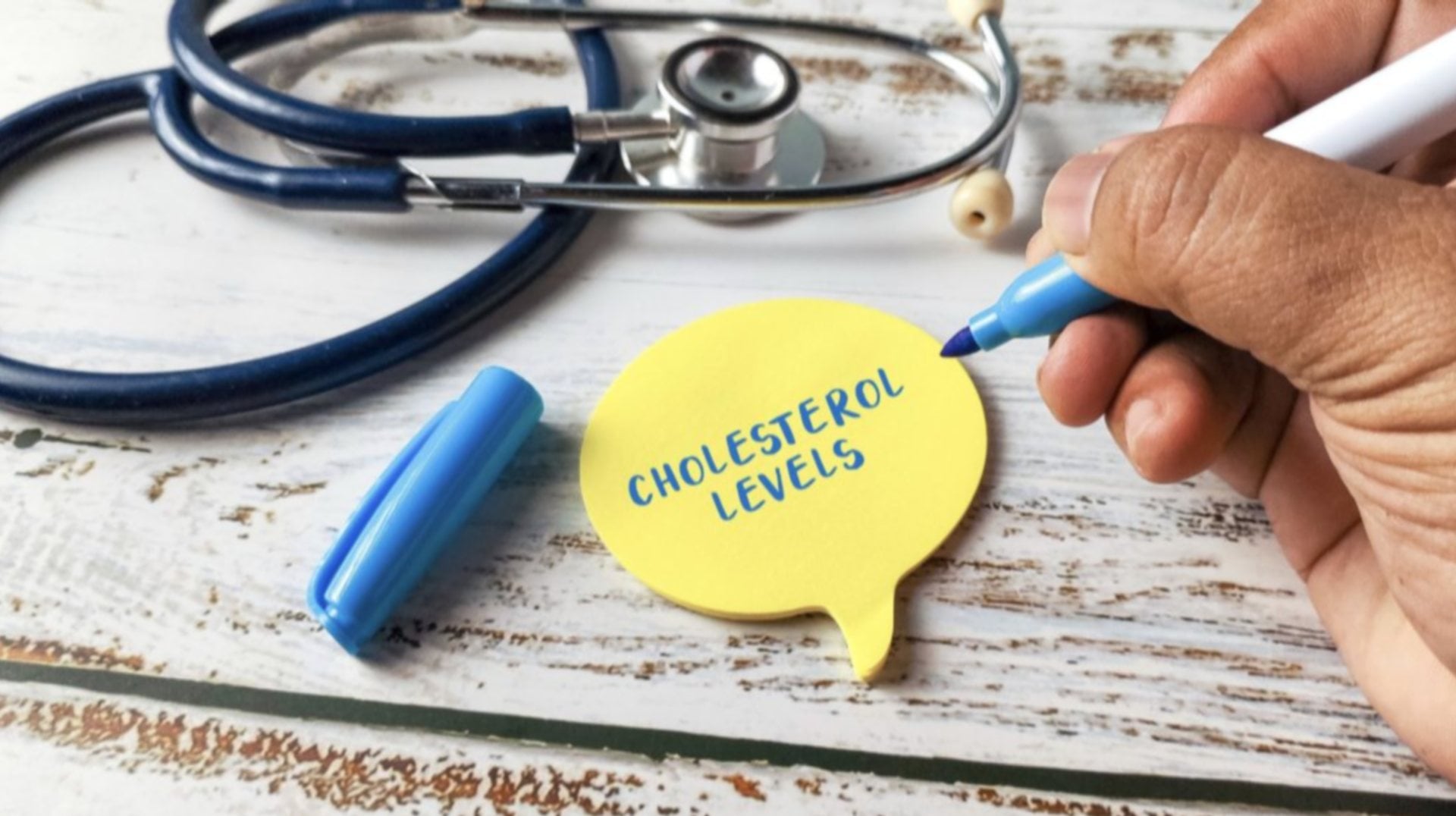
According to Kathleen Meade, APRN, a nurse practitioner with OSF HealthCare, estrogen helps protect the heart. The drop in estrogen levels that occur during menopause can lead to higher cholesterol, blood pressure and body fat levels — all of which are factors leading to heart disease.
Cardiovascular disease is the leading cause of death among women of all ages. More than 60 million women in the U.S. have some type of heart disease. “For women, heart disease is very serious,” says Meade. “A lot of times we think of the other things that might potentially affect our life and our quality of life, like cancers, but with heart disease, it’s the most prevalent cause of death in women.”
For women who encounter early menopause, these changes happen over a longer period. They increase the lifetime heart disease risk compared with those who reach menopause around the average age of 50 to 52. When hormonal changes occur with menopause, blood vessels can stiffen, blood pressure can rise and cholesterol balance may change, all of which increase the risk of heart disease.

“When women go through menopause, they fail to produce any estrogen,” explains Meade. “Estrogen is a vital link between vascular flexibility, and that would increase their chances of having hypertension. And it increases their risk of plaque buildup, or if they have high cholesterol or hyperlipidemia. So, you put those together, that's what causes the increased risk of heart disease.”
Besides menopause, other major risk factors for cardiovascular disease for women include high blood pressure, high cholesterol, an unhealthy diet, obesity, smoking and physical inactivity. “Women can take several steps to decrease their cardiovascular risk,” Meade says. “One would be to maintain an active lifestyle. We recommend 150 minutes of exercise per week. Follow a low fat, heart healthy diet. The Mediterranean diet is an excellent way to provide healthy oils and low fat and good protein.” Meade also recommends limiting alcohol and processed foods, increasing fruits and vegetables and getting at least eight hours of sleep.
Tailoring a treatment plan
Knowing the link between menopause and heart disease can help health care providers like Meade treat her patients more effectively now and in the future.
“You can more individually tailor their care accordingly to when they went through menopause and when you possibly put them on hormone replacement therapy,” she says. “Look at all the other cardiovascular risk factors – address hypertension, hyperlipidemia or cholesterol, look at their sleep patterns, at exercise routines and weight management. We can put all that together to try to reduce their chances of having a heart attack or a stroke.”
Hormone replacement therapy is medicine prescribed to replace the estrogen the body stops making after menopause, which is when periods finally stop for good. This therapy is used to treat common symptoms, such as hot flashes. It’s also been used to prevent bone loss after menopause. Meade says for the best results, hormone replacement therapy should be tailored to each person but first discussed with your health care provider.
Meade can relate to her patients who experience menopause issues. She has traveled along a similar journey. “I’ve gone through menopause, and I'm happy to say that I feel great,” she says. “I generally bring it up in our conversations when the time is right. A lot of times they bring it up, because it does impact our lives in every aspect. I feel like I can walk beside them, help them and give them expert advice and treatment options.”
More like this:




- Most Popular



- Top Stories



- Most Recent


- Sign In
- Home
- Video
- News
-
Weather
 Sponsored by Michael Ryan Exteriors - Roofing Professionals
 - Sports
- Obits
- Events
- Radio
- AP News
- Shop Local
- Classifieds
- Autos
- Real Estate
- Directory
Follow Us
Copyright © 2026 RiverBender.com All rights reserved.
primary