


Why Timely Diaper Changes Are Crucial for Baby Health
Discover the risks of delayed diaper changes and how maintaining clean skin helps prevent infections and keeps your child comfortable.
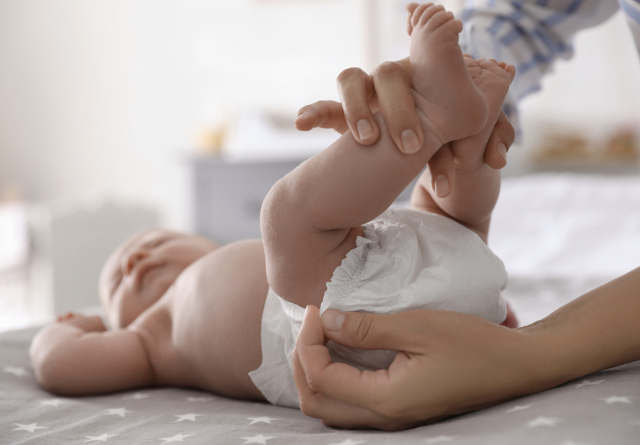 Diaper changes.
They’re something new parents can have a love-hate relationship with. Your baby’s health is a top priority, but the late-night interactions with urine and feces might tempt you to put off the task.
Get The Latest News!
Don't miss our top stories and need-to-know news everyday in your inbox.
That’s not the approach to take, says Awad Alyami, MD, an OSF HealthCare pediatrician. He says having an ample supply of diapers and knowing how to use them are critical to your child’s well-being.
“Diapers take care of the skin. The skin is the body’s first line of defense against germs, bacteria and pathogens,” Dr. Alyami says.
Best practices
- Know the right way to change a diaper.
Dr. Alyami says frequent diaper checks are key, as some babies won’t cry or wake up to tell you they have soiled themselves. When changing the diaper, wipe excess urine or feces with a wet wipe, then allow the area to air out for a few minutes before putting the new diaper on.
“And hope the baby doesn’t pee or poop all over while you’re airing things out,” Dr. Alyami says with a smirk.
The adult should wash their hands after the diaper change. The last thing you want is to touch feces, then touch another person or object and spread germs.
Dispose of the diaper away from your living area so it won’t stink things up or be a temptation for a child or pet to get into.
- Watch for warning signs, and know how to treat.Article continues after sponsor message
Dr. Alyami says the first symptom of a diaper rash will be red, irritated skin. You might also see small, red dots away from the rash. You can start by treating the problem at home with zinc oxide cream or petroleum jelly. Apply this to the baby’s skin after each diaper change, not just when something is wrong. Dr. Alyami doesn’t recommend powders for this, as they’re a risk for the baby to inhale.
If the rash doesn’t get better in five to seven days, see a pediatrician. The baby could be treated with a steroid (like hydrocortisone) or an antifungal (like Nystatin). Dr. Alyami says if things don’t improve after that in-office treatment, come back. He says in rare cases, a doctor might need to take a skin biopsy to see if there’s a more serious problem. Or, the child might be referred to a dermatologist.
Dr. Alyami warns that if rashes aren’t treated quickly, they can progress to a yeast or bacterial infection.
“Those can get complicated with abscesses. They can go to the bloodstream and cause systemic infections,” he says.
- Know when to “level up.”
It’s pretty easy to know when to get a bigger diaper for your child, Dr. Alyami says. He says most diapers have age recommendations on the label. Aside from that, look for imprints on the baby’s skin when changing the diaper. Those are a sign the diaper is too tight, and you need to level up.
Getting help
Some families might not have an ample supply of diapers due to financial or other issues. To get help, Dr. Alyami recommends starting with your pediatrician. They’ll likely know community resources that host diaper drives, such as hospitals, churches, health departments and social service groups.
More like this:



- Most Popular



- Top Stories



- Most Recent



- Sign In
- Home
- Video
- News
-
Weather
 Sponsored by Michael Ryan Exteriors - Roofing Professionals
 - Sports
- Obits
- Events
- Radio
- AP News
- Shop Local
- Classifieds
- Autos
- Real Estate
- Directory
Get the RiverBender App


Follow Us
Copyright © 2026 RiverBender.com All rights reserved.
primary