


Attorney General Raoul Joins Coalition Urging Federal Court To Maintain Invasive Species Protections
Illinois AG joins coalition to challenge EPA’s weaker ballast water rules.

CHICAGO – Attorney General Kwame Raoul joined Michigan Attorney General Dana Nessel and Vermont Attorney General Charity Clark in filing an amicus brief challenging the U.S. Environmental Protection Agency’s (EPA) final standards on ballast water discharges from large vessels, which can carry harmful organisms from one port to another.
Get The Latest News!
Don't miss our top stories and need-to-know news everyday in your inbox.
In the brief filed with the U.S. Court of Appeals for the D.C. Circuit, Raoul and the coalition argue that the standards unlawfully weaken long-standing protections by eliminating ballast water uptake requirements, which prevented vessels from taking up water in areas with invasive species. The coalition urges the court to reject the EPA’s unlawful weakening of protections and require standards that fully safeguard the Great Lakes from invasive species.
“The Great Lakes are a critical resource to Illinois and surrounding states, which is why we need to defend the protections we have in place to avoid invasive species that create long-term environmental harm,” Raoul said. “I will continue to advocate for our waters and protect our communities from preventable damage.”
In 2018, Congress amended the Clean Water Act by adding the Vessel Incidental Discharge Act (VIDA), directing the EPA to issue ballast water discharge standards that are as protective as the existing permit requirements, with only limited exceptions. However, in 2024, the EPA established standards that removed limitations on ballast water uptake, claiming that this permit requirement had been unenforceable.
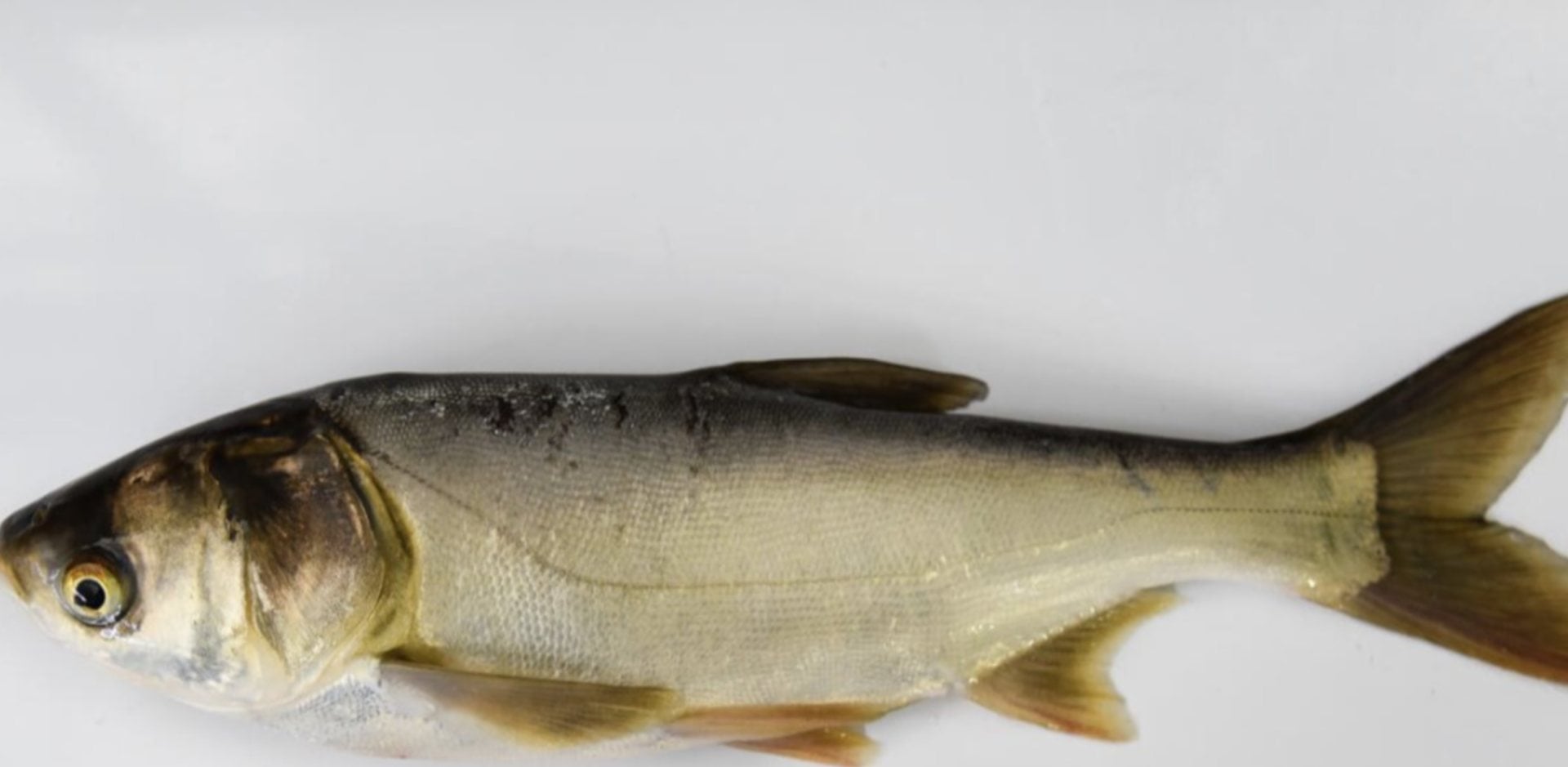
Raoul and the attorneys general explain that, without adequate safeguards, vessels can transport invasive species into new waters, where they can cause lasting environmental and economic harm. For example, invasive species, such as zebra mussels, have already damaged infrastructure, threatened native ecosystems, and cost the Great Lakes region an estimated $200 million a year. Following the EPA changes, golden mussels, which is an invasive species that could cause damage on the same scale as zebra mussels, were discovered at a California port and could reach the Great Lakes through contaminated ballast water.
In their brief, Raoul and the coalition argue that the EPA ignored VIDA’s clear direction when it established the standards and relied on an impermissible justification in the face of state evidence showing the uptake requirement had been successfully enforced.
More like this:



- Most Popular


- Top Stories


- Most Recent


- Sign In
- Home
- Video
- News
-
Weather
 Sponsored by Michael Ryan Exteriors - Roofing Professionals
 - Sports
- Obits
- Events
- Radio
- AP News
- Shop Local
- Classifieds
- Autos
- Real Estate
- Directory
Get the RiverBender App


Follow Us
Copyright © 2026 RiverBender.com All rights reserved.
primary