


When Should Kids Wear Medical Alert Bracelets Daily
Parents urged to consult pediatricians about the necessity of bracelets based on their child's specific health needs and risks.
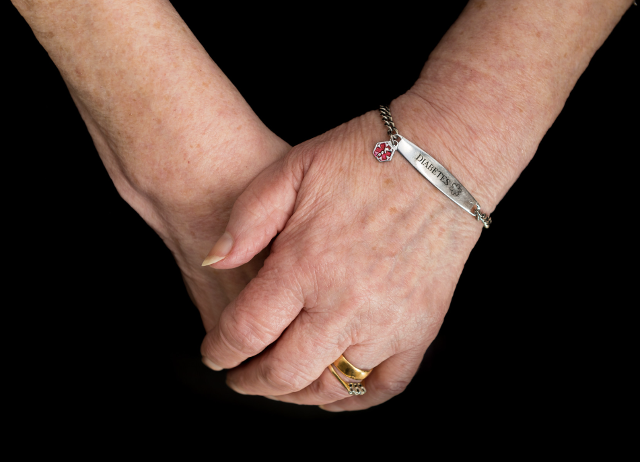
When your child is at school, daycare, work or in sports, their health and safety is a top priority. The adults in the room should know the youngster’s health information and what to do if something goes wrong. But do you need to take it a step further? Should the child wear a bracelet at all times with their medical needs printed on it?
It depends, says Luis Garcia, MD, an OSF HealthCare pediatrician.
Get The Latest News!
Don't miss our top stories and need-to-know news everyday in your inbox.
When and when not
“We will advocate for [a bracelet’s] use in kids with certain conditions where time is of the essence,” to get lifesaving care, Dr. Garcia says. “A kid might be at risk for anaphylaxis, a serious allergic condition that can make it hard to breathe. There might be predisposing factors, such as a history of a peanut allergy. Other conditions include seizures or metabolic conditions like congenital adrenal hyperplasia [where the body can’t make enough cortisol].”
This isn’t an all-encompassing list, however, Dr. Garcia says. So talk to your child’s pediatrician about if a bracelet is needed. For example, your child’s condition might be milder. But if they have developmental delays that lead to difficulty communicating, a bracelet might be recommended.
Who doesn’t need one? Dr. Garcia says if your child has a mild condition and has a plan to manage it (such as using an inhaler for asthma or an insulin pump for diabetes), it might be OK to just have your child’s information – as provided by a health care provider - on file with their school or workplace. But it’s important, he says, to update that information regularly so your child’s caregivers have accurate details.
How to get a bracelet
Dr. Garcia says to start by asking your child’s pediatrician about medical alert bracelets. They can direct you to online or in-person retailers or health care groups who specialize in medical equipment.
“Common items [to print on the bracelet] include the diagnosis, symptoms and next steps,” Dr. Garcia outlines. “For example with asthma, kids might only need help before physical activity or when they’re sick. Or with a bleeding disorder, information like blood type could be needed.”

You could also print a parent’s phone number on the bracelet.
Alternatives
We know kids can be fidgety. They might not like having something on their wrist all day. Dr. Garcia says parents should first try to get the child on board.
“They can wear the bracelet and build up a tolerance to it. Use positive reinforcement and progress its use,” Dr. Garcia suggests. “They might not be able to keep it on for long periods [at first]. But by training them, they might be able to tolerate it longer.
“There’s no consensus on this,” Dr. Garcia adds. “But the information needs to be in a place where it’s readily available if a situation arises.”
If a bracelet just isn’t working, alternatives include a necklace (think a military dog tag-type necklace) or a shoe tag. Older kids who carry a wallet or purse could also have the information on a card in there.
How long?
Does my child need to wear the medical alert bracelet until they turn 18? Into old age?
Dr. Garcia reiterates there’s no “one size fits all” approach. It should be a conversation with the child’s care team.
“Wear it until they don’t have a medical use for it,” Dr. Garcia says. “If somebody lives a long life or has a lifetime allergy, wear it at least until the person can advocate for him or herself. It might be longer for people who have a developmental delay or speech challenges. Or, the symptoms of the condition might include choking or inability to speak.”
More like this:



- Most Popular

- Top Stories


- Most Recent

- Sign In
- Home
- Video
- News
-
Weather
 Sponsored by Michael Ryan Exteriors - Roofing Professionals
 - Sports
- Obits
- Events
- Radio
- AP News
- Shop Local
- Classifieds
- Autos
- Real Estate
- Directory
Get the RiverBender App


Follow Us
Copyright © 2026 RiverBender.com All rights reserved.
primary