


Precision TMS Offers Alternative to Medication for Patients Struggling with Mental Health
Local expert explains how magnetic pulses help patients regain daily function.


Our Daily Show Interview! Getting to Know Precision TMS More!
SAINT LOUIS - A local doctor is providing a new kind of depression treatment with impressive results.
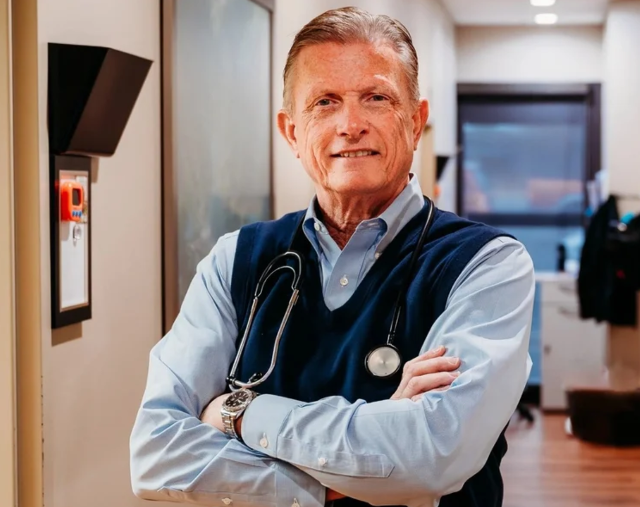
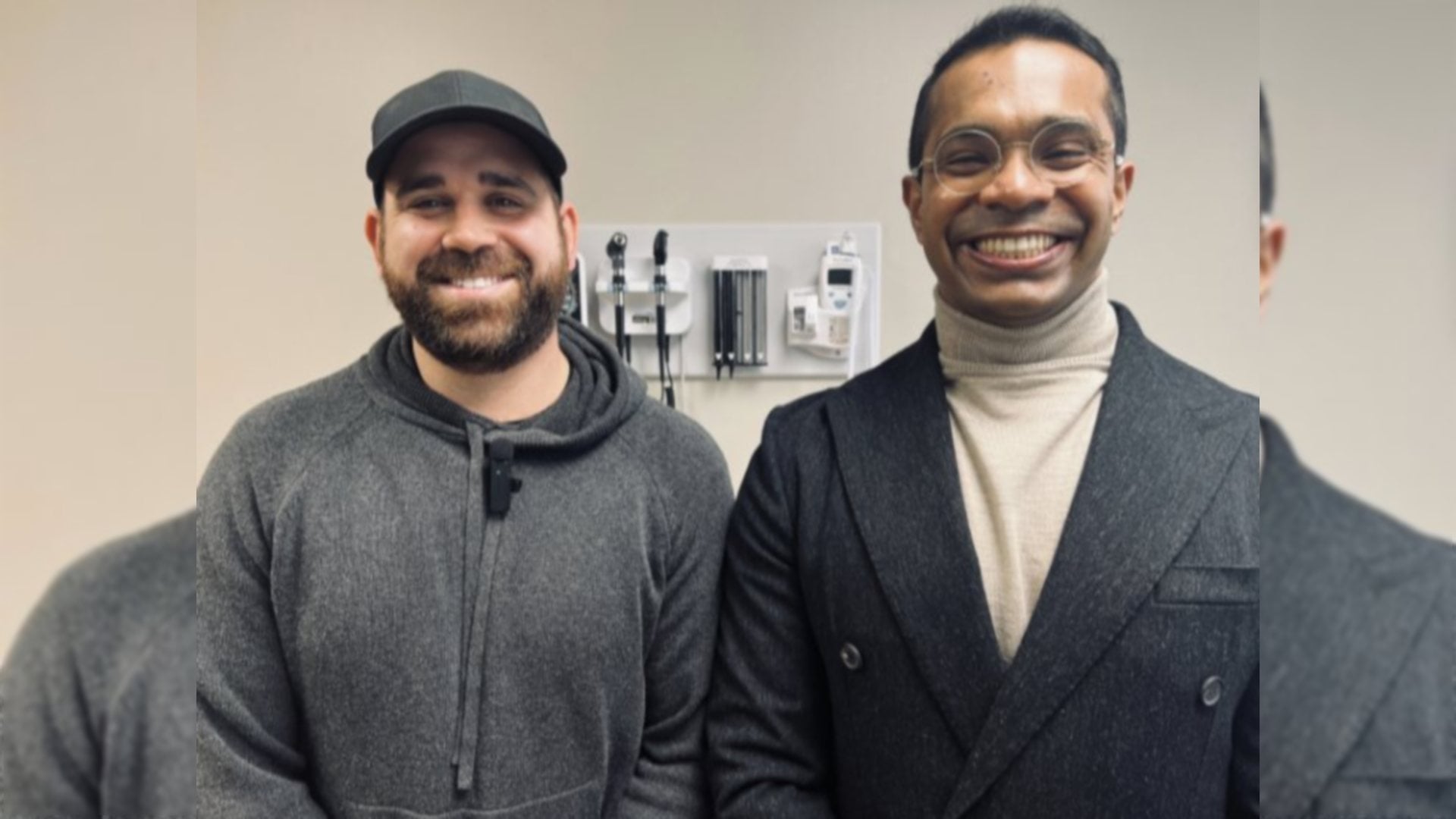
Transcranial magnetic stimulation (TMS) is a modality offered by Precision TMS to treat depression, obsessive-compulsive disorder, and post-traumatic stress disorder. Tom Malone, clinic director at Precision TMS, shared that TMS is a safe alternative to medications that has been shown to bring people — like client Jeremy — immense relief.
“Just getting the word out that there are options out there for people, I think, is really powerful,” Malone said. “It’s pretty remarkable. You have people who are probably at the lowest points in their lives struggling with just day-to-day tasks, and then being able to do a 180 and start to flourish.”
Malone explained that TMS uses magnetic fields to depolarize neurons and release neurotransmitters. Magnets are placed on the client’s head to target the left dorsal lateral prefrontal cortex in the brain, which is underactive in depressed patients. Patients experience a “flicking” or “tapping” sensation on their heads.
Unlike ECT, TMS requires no anesthesia and is not associated with any memory loss. Malone recognizes that the idea can elicit images of Jack Nicholson in “One Flew Over the Cuckoo’s Nest,” but the reality is extremely different.
“We make sure it’s very gentle,” he said. “We ramp up very slowly and just make sure that you’re having a good experience. It should never be painful. It’ll feel like a little tapping on the side of your head.”
And, for clients like Jeremy, it can make all the difference. Jeremy shared that he was deployed to Iraq several times and worked in high-trauma situations throughout his 20-year military career. He had tried talk therapy and a variety of medications by the time he heard about TMS and decided to “give it a shot.”
“I had tried lots of other modalities, medications, talk, whatnot, that really didn’t do any good for me. I was at that point where I really just needed to try something new and different,” he remembered. “Honestly, the first day, it was like, I don’t know if this is going to work. But I had pretty much exhausted every other modality.”
Within a few sessions, the fog started to lift. Jeremy found that he could function again. In fact, he made straight As when he returned to school and traveled to Wyoming with his daughter, feats that would have been impossible before TMS.
“You couldn’t pull me out of the house half the time before I started this,” he said. “It has worked wonders in my life…It made me feel like a good father again.”
Malone noted that sessions can last as short as three minutes or as long as 20. After the initial six-week treatment regimen, most people experience results. But a patient might need maintenance sessions, which Precision TMS is happy to provide.
“We follow up with our patients for at least two years. We check in with them, see how they’re doing. I’d say 75% of them are still doing very well two years later. But there is a percentage, between 25–30%, who will need some maintenance,” Malone explained. “I don’t want them to fall back into the pit of despair where they were originally. So we do a lot of maintenance on those patients who need it.”
Malone added that all of their treatments are “tailored” to the patient. He shared that the HEROES program is another way that Precision TMS gives back by working closely with veterans, first responders, teachers and healthcare workers.
TMS is a great jumping point for many patients who have tried a variety of treatments to little success, Malone added. He noted that traditional therapy can also be more effective after TMS treatments.
“I kind of think of TMS as, you have a motherboard for your computer, and you have a circuit that’s broken or damaged. TMS can fix that circuit, but then you have to update the software,” he said. “That’s where therapy like CBT or DBT, evidence-based therapy, can be very effective. That’s some of the other work you would do. Your brain would be in a better position to utilize it after TMS.”
For more information, visit the official Precision TMS website at PrecisionTMS.org.
If you or someone you know is struggling or in crisis, help is available. Call or text 988 or chat at 988lifeline.org.
More like this:


- Most Popular

- Top Stories



- Most Recent



- Sign In
- Home
- Video
- News
-
Weather
 Sponsored by Michael Ryan Exteriors - Roofing Professionals
 - Sports
- Obits
- Events
- Radio
- AP News
- Shop Local
- Classifieds
- Autos
- Real Estate
- Directory
Follow Us
Copyright © 2026 RiverBender.com All rights reserved.
primary