


Durbin, Murkowski, Bipartisan House Members Introduce Nurse Facility Shortage Reduction Act
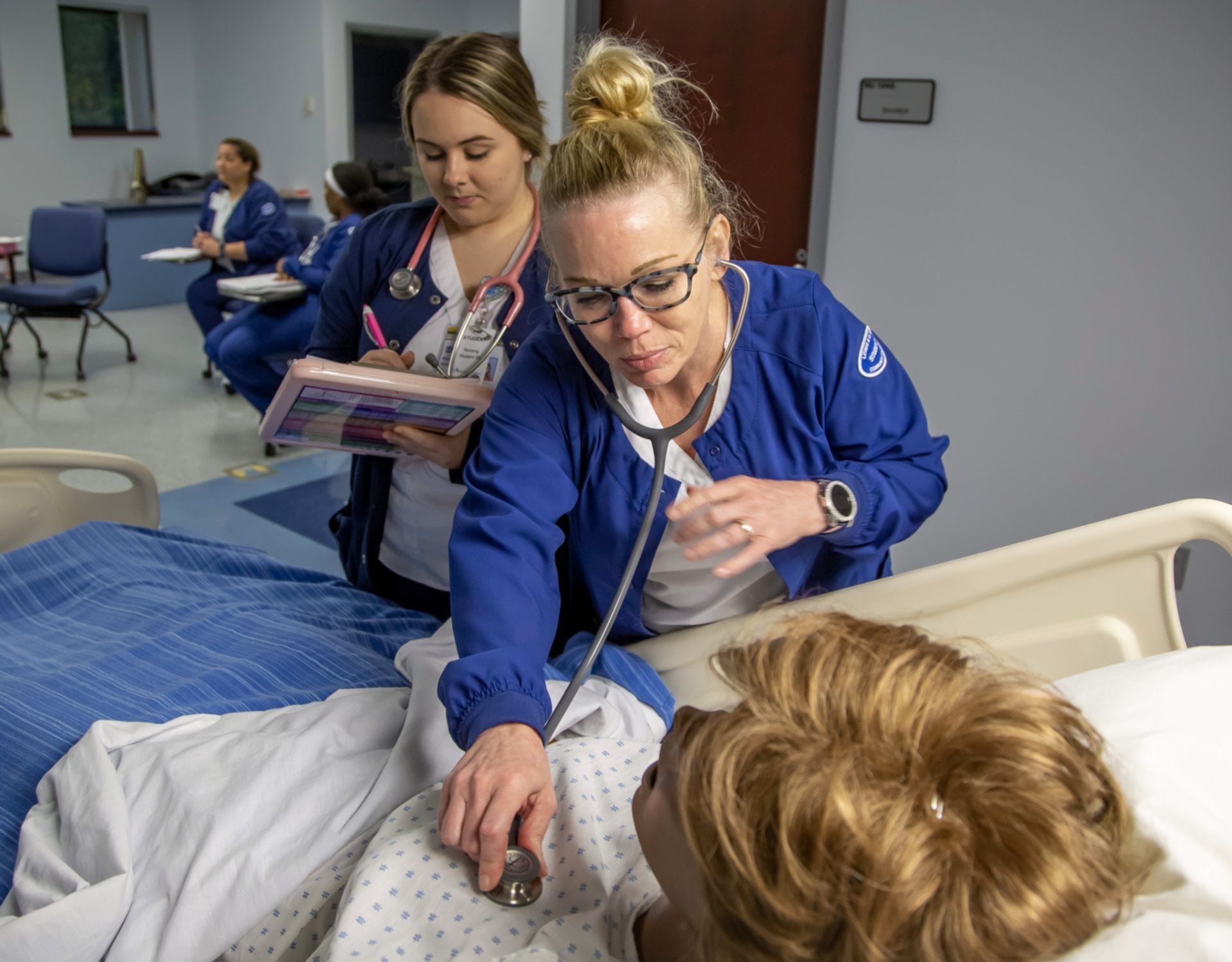
New bill focuses on increasing nursing school faculty to alleviate rejected qualified applicants and growing patient care demands.

Get The Latest News!
Don't miss our top stories and need-to-know news everyday in your inbox.
WASHINGTON – U.S. Senate Democratic Whip Dick Durbin (D-IL) and U.S. Senator Lisa Murkowski (R-AK) introduced bipartisan, bicameral legislation to increase the number of faculty to train new nurses, a root cause of the nursing shortage facing the country. The Nurse Faculty Shortage Reduction Act would incentivize more nurses to pursue teaching roles—the lack of which is a primary cause of the nationwide nursing shortage—by addressing the pay gap between clinical and faculty nursing positions. This program would operate alongside the Health Resources and Services Administration’s (HRSA) existing Nurse Faculty Loan Repayment Program (NFLP), to address a given nursing school or program’s needs. Companion legislation will be introduced soon in the House by U.S. Representatives Suzanne Bonamici (D-OR-01), Jen Kiggans (R-VA-02), Lauren Underwood (D-IL-14), and Dave Joyce (R-OH-14).
“Nurses are the backbone of our health care system, but our country is facing a shortage of these healers—especially due to the burnout and strain from hospital funding cuts,” said Durbin. “Through the Nurse Faculty Shortage Reduction Act, we are tackling the main economic driver of our nursing shortage. By investing in more faculty to train the next generation of nurses, our bipartisan, bicameral bill will help support our nurses and ensure our hospitals are well-staffed.”
“The nursing shortage around the country is directly reflected in worsening health outcomes in our communities,” said Murkowski. “This legislation secures a healthier future for Alaska, and the country, by investing in initiatives to recruit and retain bedside nurses. Equipping programs with the resources they need to train America’s next generation of nurses will decrease patient mortality, reduce medical errors, and ensure higher-quality care.”
“We need more nurses, but there aren’t enough opportunities for people to get the education they need to enter this essential and noble profession,” said Bonamici. “This bipartisan legislation will incentivize more nurses to become instructors so they can fill staffing shortages and give more students the opportunity to become nurses. I thank my bipartisan co-sponsors for their support, and look forward to working with them to get this bill across the finish line.”
“Nursing shortages across the country are affecting the quality of care that patients receive and are jeopardizing public health. Nurses bring unique expertise and leadership to the communities they serve, and we must make the right investments to expand the training pipeline for these health care professionals,” said Underwood. “I’m proud to co-lead this legislation to close the pay gap between nurse educators and clinical nurses and encourage nursing schools to invest in students. By investing in future generations of nurses, we can grow the nursing workforce, lower health care costs, and ensure better health outcomes for Illinois families.”
“With an ongoing faculty shortage, we recognize that strengthening the population of future nurse educators is essential to sustaining the U.S. healthcare system and communities across the country,” said Dr. Jean Giddens, Board Chair for the American Association of Colleges of Nursing. “The Nurse Faculty Shortage Reduction Act is an innovative approach to supporting our nursing schools with recruiting and retaining faculty to meet a critical national need.”
“America cannot build the nursing workforce our patients and communities need if nursing schools are forced to turn away qualified applicants because they cannot hire and keep faculty,” said Jennifer Mensik Kennedy, PhD, MBA, RN, NEA-BC, FAAN, President of the American Nurses Association. “This bipartisan, bicameral bill takes a practical approach by helping nursing programs compete for qualified educators and expand the pipeline of future nurses. ANA urges Congress to move this legislation forward.”
The U.S. is projected to face a shortfall of up to 300,000 nurses by 2028, jeopardizing patient access to critical health care services across rural and urban communities.
The greatest bottleneck is nursing school capacity—in 2023, nursing colleges rejected 66,000 qualified applicants from BSN programs due to enrollment constraints. The root cause of this challenge is the lack of nurse faculty and educators, with approximately 2,200 vacant full-time nurse faculty positions nationwide. In addition to the loans to pursue higher education, this shortage of nurse faculty primarily stems from the significantly lower wages available compared to clinical nursing.
Specifically, the Nurse Faculty Shortage Reduction Act would require a nursing school to submit to HRSA the school’s average faculty salaries, as well as the recent clinical salary of their faculty for whom they are seeking supplemental federal funding. HRSA would award grants in the amount of the difference between those two averages—to restore the nurse to their prior salary and thereby remove an incentive to pursue faculty roles—on the condition that the nursing school maintains its salary to the new faculty. The bill authorizes $15 million a year for five years as a pilot program.
More like this:



- Most Popular



- Top Stories



- Most Recent



- Sign In
- Home
- Video
- News
-
Weather
 Sponsored by Michael Ryan Exteriors - Roofing Professionals
 - Sports
- Obits
- Events
- Radio
- AP News
- Shop Local
- Classifieds
- Autos
- Real Estate
- Directory
Get the RiverBender App


Follow Us
Copyright © 2026 RiverBender.com All rights reserved.
primary