


Groundhog Day and Its European Roots
If Groundhog Day feels silly, that’s partly the point. It gives people permission to be playful about something they can’t control.
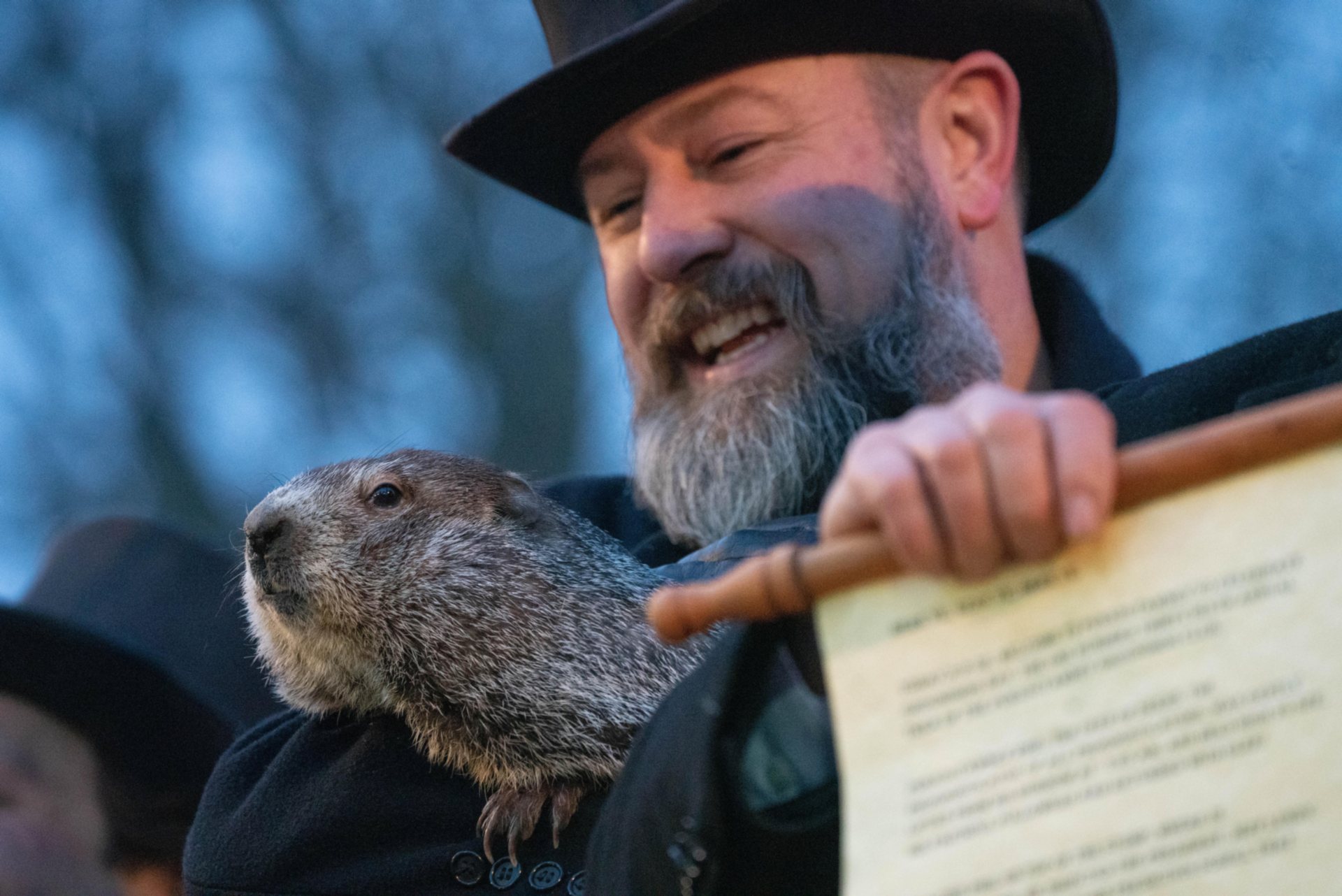
If a groundhog’s shadow can “predict” anything, it’s this: a small-town American festival can carry a surprisingly old European passport.
Get The Latest News!
Don't miss our top stories and need-to-know news everyday in your inbox.
Groundhog Day looks like pure North American folklore—top hats, cameras, cheering crowds, and one famous animal in Pennsylvania. But the basic idea behind it did not begin with groundhogs at all. It started as a religious calendar date, then picked up folk beliefs about animals and sunlight, and finally got translated into a new setting by immigrants who brought their habits with them.
What Groundhog Day really is (and why it sticks)
Groundhog Day is celebrated on February 2, most famously in Punxsutawney, Pennsylvania. The popular story is simple: if the groundhog sees its shadow, there will be six more weeks of winter; if it doesn’t, spring will come early.
People keep showing up even though no one treats it as real science. That’s part of the charm. The event feels like a shared joke, a local tradition, and a reason to gather. It also scratches a human itch: we like turning uncertainty into a story we can repeat. A single animal, a single moment, and a clear “answer” is easier to hold onto than a messy forecast.
But the date and the shadow idea are not random. They connect to older European traditions that were already attached to February 2 long before a groundhog ever became the star.
The calendar date behind the custom: Candlemas
February 2 is Candlemas in many Christian traditions. It marks the Presentation of Jesus at the Temple and, in some churches, the blessing of candles used during the year. In medieval Europe, Candlemas was also a practical milestone. It sat in the middle of winter and offered a fixed point on the calendar when people watched for signs that the hardest part of the cold season might be easing.
Over time, Candlemas picked up folk sayings about clear skies and lingering winter. One common English rhyme goes:
“If Candlemas be fair and bright,
Winter will have another flight;
If Candlemas brings clouds and rain,
Winter will not come again.”
The logic sounds backward to modern ears. Why would a sunny day mean more winter? In traditional thinking, a bright, clear day in midwinter suggested strong, stable cold. A cloudy or wet day suggested milder air moving in. People didn’t need meteorology to notice patterns. They just needed repeated experience and a memorable rhyme.
Groundhog Day keeps the same basic structure: a sign on February 2 is used to predict what comes next.
From saints to shadows: Europe’s animal “weather prophets”
Long before groundhogs, Europeans used animals as seasonal markers. The most direct ancestor of the groundhog tradition is the idea that a hibernating animal emerges around early February and, depending on what it sees, returns to its den.
In German-speaking regions, the hedgehog and the badger often played this role. In some places, a bear did. The details varied, but the storyline stayed consistent: an animal wakes, checks conditions, and either “confirms” more winter or hints that spring is near.
The shadow element fits neatly into this. A bright day creates a sharp shadow. A cloudy day does not. So the animal and the shadow become a simple, visual way to turn Candlemas weather lore into a mini-drama.
That drama matters. A proverb is easy to forget. A creature coming out of a burrow and reacting to its own shadow is the kind of scene that sticks in your mind—and in a community’s yearly routine.
How the groundhog replaced the hedgehog
When German immigrants (often called “Pennsylvania Germans” or “Pennsylvania Dutch,” from “Deutsch”) settled in Pennsylvania, they brought their Candlemas habits and sayings with them. But North America did not have hedgehogs in the same familiar way. What it did have, especially in Pennsylvania, was the groundhog.

Groundhogs (also called woodchucks) hibernate and reappear in late winter. They were common, noticeable, and already part of rural life. So the old tradition adapted. The animal changed, but the structure stayed:
- A fixed date (February 2)
- A folk belief tied to sun or cloud cover
- A hibernator as the “messenger”
- A prediction that is easy to repeat
Punxsutawney became the most famous site, but it wasn’t the only one. Other towns developed their own “weather animals,” like Staten Island Chuck in New York and Wiarton Willie in Ontario. That spread shows how flexible the tradition is. The specific creature matters less than the ritual.
The misunderstood part: it was never meant as a forecast model
A common modern mistake is treating Groundhog Day like a failed attempt at science. People argue about the groundhog’s “accuracy rate,” as if the tradition promised reliable predictions.
Historically, these sayings worked more like folk calendars and community entertainment. They gave people a way to mark time, share local knowledge, and cope with uncertainty. The prediction was less important than the performance.
You can see the same pattern today in everyday life:
- Someone says, “Red sky at night, sailor’s delight,” even if they don’t live near the ocean.
- People claim, “Knees hurt, so rain is coming,” because it feels true in the moment.
- Families repeat a holiday superstition “because Grandma always said so,” not because they ran tests.
Groundhog Day fits right into that category. It’s a story we act out together.
Sayings, idioms, and the modern meaning of “Groundhog Day”
The holiday also gained a second life through language. Thanks to the 1993 film Groundhog Day, the phrase “It’s Groundhog Day” now means a day that repeats itself—same routine, same problems, same conversations.
That idiom has almost nothing to do with shadows or February 2. It shows how traditions evolve. A folk custom became a movie title, and the movie reshaped how people talk about boredom, habit, and feeling stuck.
You might hear it at work when the same meeting happens again, or in school when each week feels identical. The phrase works because the image is clear: you’re trapped in a loop.
So Groundhog Day now has two meanings at once:
- A public ritual with an animal and a prediction
- A cultural shorthand for repetition
Why European roots still matter in a modern American tradition
Knowing the European background doesn’t make Groundhog Day less “American.” It makes it more realistic. Traditions travel. They shift languages, swap animals, and pick up new layers.
This is also a helpful reminder of how culture often spreads:
- Immigrants bring familiar practices.
- The new environment forces small changes.
- Local communities turn the practice into a public event.
- Media helps it scale into a national story.
That same process explains why so many American foods, festivals, and sayings have mixed origins. Groundhog Day is just an unusually clear example because the date and the structure stayed so consistent.
Ways to spot Groundhog Day thinking in your own life
You don’t need to attend a festival to recognize the habit behind it. Look for these patterns:
- You rely on a “sign” to make uncertainty feel manageable. Maybe you read meaning into the first good grade of the semester or the first smooth commute after a rough week.
- You repeat a saying because it feels right, not because it’s proven. Folk wisdom often survives because it’s memorable and comforting.
- You enjoy a ritual even when you don’t fully believe it. That’s not irrational. It’s social. Rituals create shared moments and shared language.
If Groundhog Day feels silly, that’s partly the point. It gives people permission to be playful about something they can’t control.
Groundhog Day endures because it’s a bridge between old and new: a European-style calendar omen, re-cast with a North American animal, and kept alive by community theater and storytelling. The shadow may not predict the future, but the tradition reveals something steady—people will always look for patterns, and they’ll always find ways to turn those patterns into a celebration.
More like this:



- Most Popular



- Top Stories



- Most Recent



- Sign In
- Home
- Video
- News
-
Weather
 Sponsored by Michael Ryan Exteriors - Roofing Professionals
 - Sports
- Obits
- Events
- Radio
- AP News
- Shop Local
- Classifieds
- Autos
- Real Estate
- Directory
Follow Us
Copyright © 2026 RiverBender.com All rights reserved.
primary