


Alton Attorney Gives Practical Tips On What To Do Before You Meet With a Lawyer
Questions ready, facts organized: a lawyer’s checklist for first meetings.

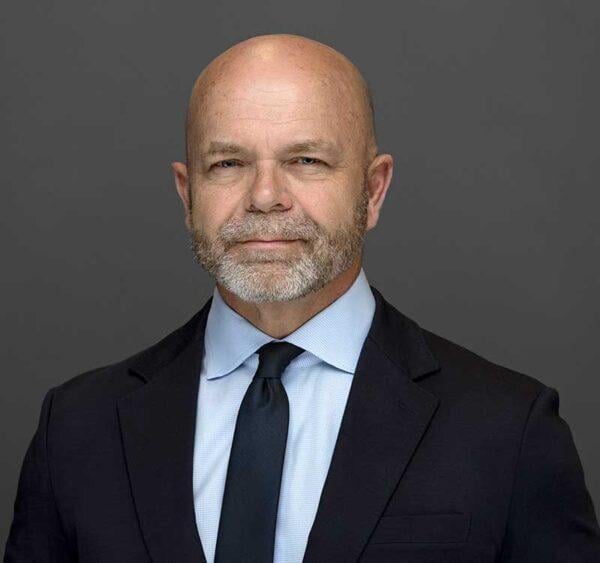
Our Daily Show Interview! Keith Short & Associates: What to Expect When Meeting Your Lawyer!
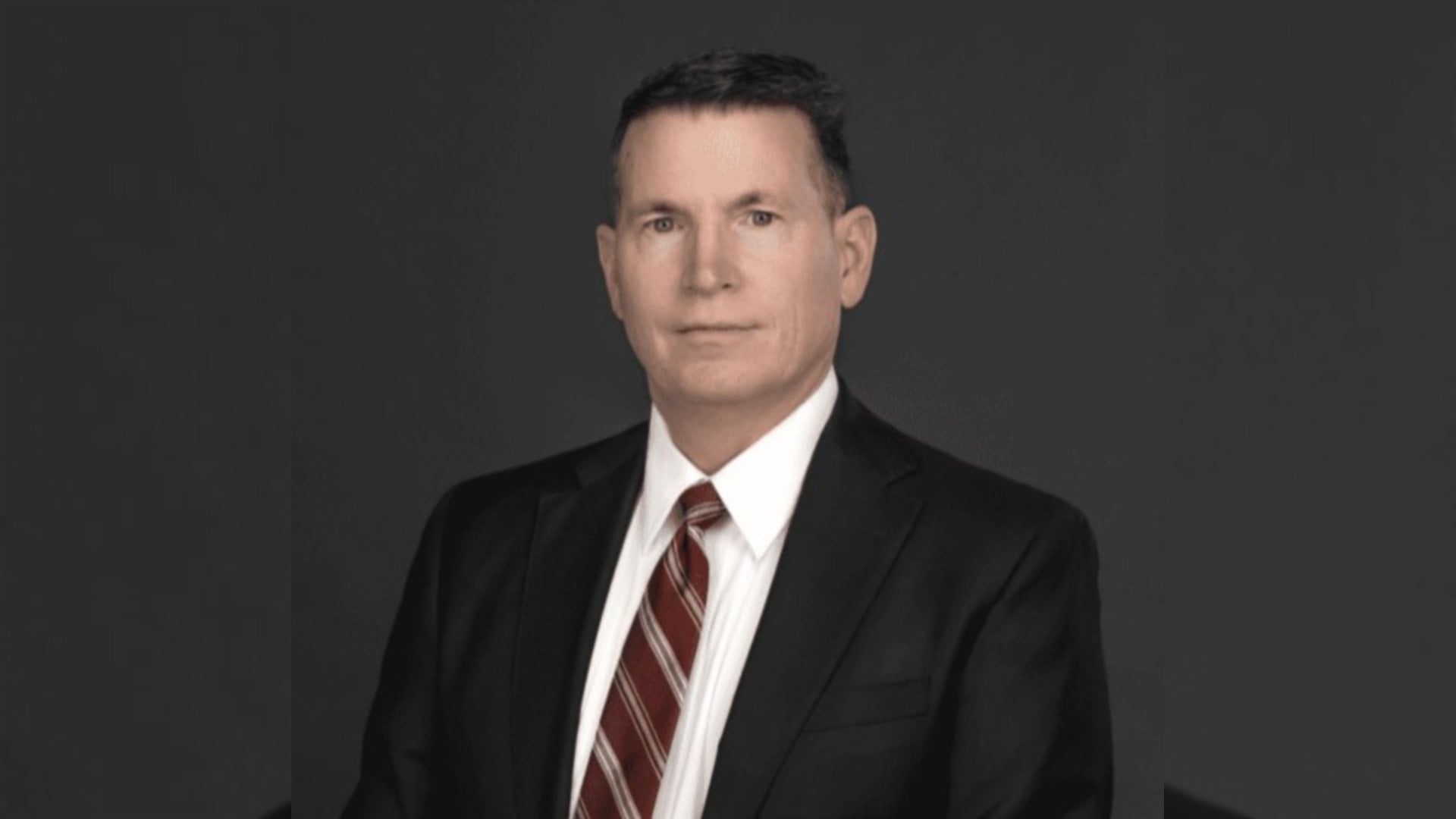
ALTON - Keith Short has practical advice for people before their first appointment with a lawyer.
Short, who owns Keith Short and Associates in Alton, encourages his clients to come into every first meeting with an open mind and as much information as they can. This can help your case start off strong as attorneys like Short begin the process of researching and filing it.
“The first thing you do before you go to a lawyer’s office is, sit down and compile a list of all the things that matter,” Short said. “Write all this stuff down. Write it down and never share it with a single living soul, just your lawyer. The moment I share it with you, the defense can find it. It’s discoverable.”
Short acknowledges most clients feel the need to research as much as possible before meeting their lawyer. He believes this is a double-edged sword. He encourages caution when people do their research online, noting that statutes change and legal information is often very difficult to parse through.
“It’s okay to educate yourself a little bit on the internet, but not a lot, because you’d be shocked how often the stuff is wrong,” Short said. “Go ahead and educate yourself a little. That’s fine, but don’t believe everything you read.”
The best thing you can do for your case is to come prepared. For example, if you are beginning the process of a divorce, your attorney needs to know basic information like both parties’ names, birthdays, places of work, and more. Personal injury cases — for example, if you’ve been in a car accident — require the lawyer to know when and where the injury occurred. Estate lawyers need to know information about your heirs, your debts and your assets.
Short encourages people to be ready to share this basic information. Additionally, he advises his clients to write down any questions they might have before the appointment. He wants to make sure he answers everything you want to know while you’re meeting in person.
Sometimes, Short conducts follow-up meetings over Zoom. He suggests simply recording the call so clients don’t have to take notes.
However, because Zoom is a third party, Short recognizes there can be pitfalls. He believes the site is secure, but he tells his clients to focus on general questions in Zoom meetings and not to discuss anything that “really, really fundamentally could change the outcome of our case.”
As the case continues, Short is no stranger to clients who approach him with ideas or legal information that they believe might help. He said that “99% of the time,” this information is “useless.” But he does occasionally learn something from a client or follows a new lead based on the client’s research.
He advises that clients find a balance between doing their own research and trusting their lawyer. It can be challenging to navigate a case when a client is overinvolved or second-guesses Short’s advice.
“I never mind when my clients propose ideas or thoughts. It’s when that happens so often that it’s starting to interfere with my ability to handle your case, or you’re going to second-guess me,” he said. “It’s a cooperative effort. It’s like anything. It’s good to educate yourself about your disease when you go to the doctor, but don’t assume because you saw something on the internet or you watched a TV ad that your doctor doesn’t know a lot about it.”
Attorneys like Short ultimately want to help clients win their cases. These practical first steps are a great way to begin your conversations with a lawyer and start the process of a lawsuit.
For more information about how to handle a lawsuit, or if you think Short might be the lawyer for you, visit the official Keith Short and Associates website at SILTrial.com.
More like this:

- Most Popular



- Top Stories


- Most Recent


- Sign In
- Home
- Video
- News
-
Weather
 Sponsored by Michael Ryan Exteriors - Roofing Professionals
 - Sports
- Obits
- Events
- Radio
- AP News
- Shop Local
- Classifieds
- Autos
- Real Estate
- Directory
Follow Us
Copyright © 2026 RiverBender.com All rights reserved.
primary