


Preventing Mold In Damp, Dark, And Warm Home Spots
Learn how to spot mold growth and understand when to seek medical or professional help to protect your health and living space.
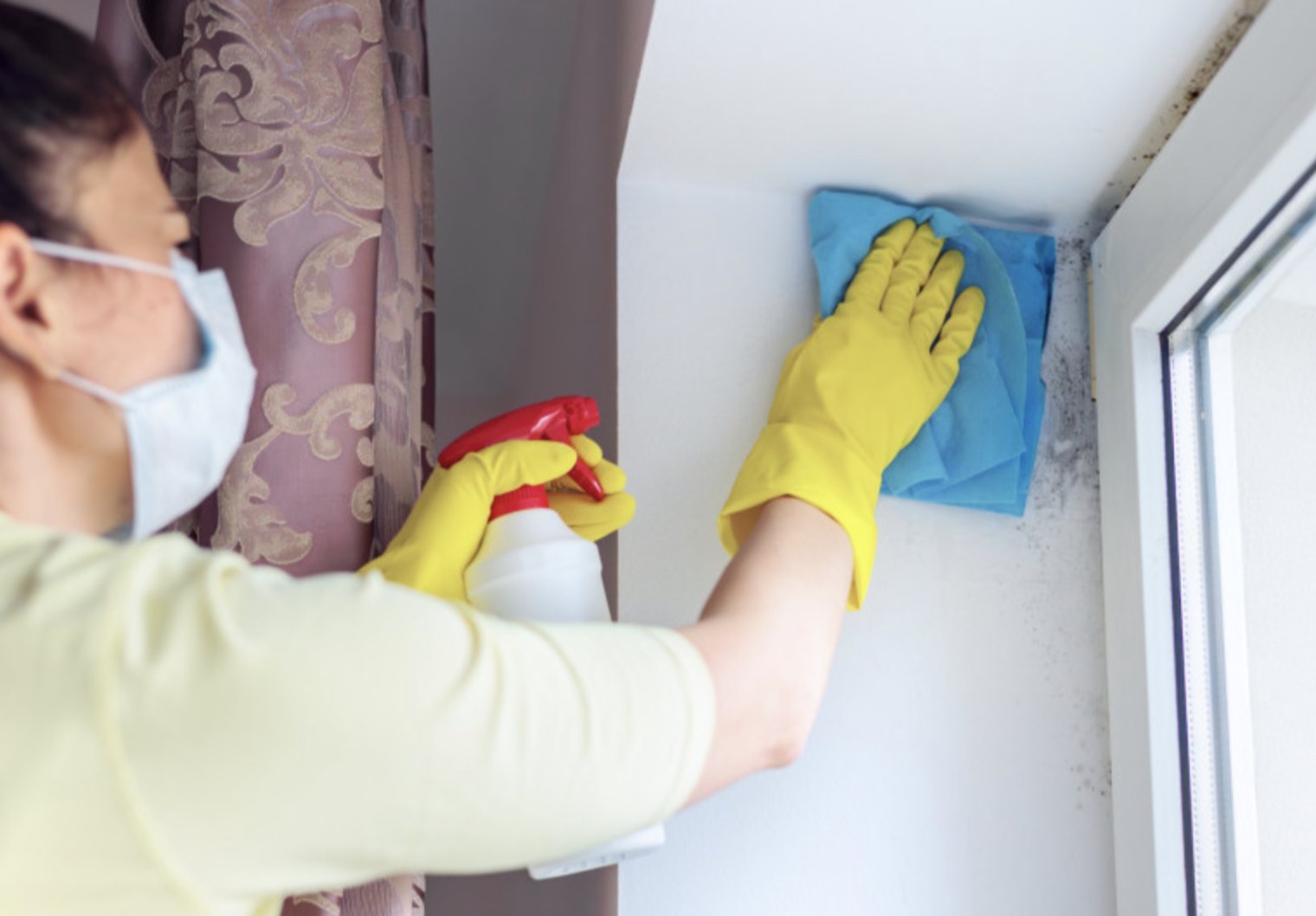 You’re cleaning your house, and you spot it: black spots that could be mold.
Get The Latest News!
Don't miss our top stories and need-to-know news everyday in your inbox.
Uh oh.
Do you need to make an appointment with your primary care provider? Do you need to call a professional to remove the substance? They’re questions worth asking to make sure you, your loved ones and your home stay in top shape.
What is mold, anyway?
Andrew Zasada, MD, an emergency medicine physician at OSF HealthCare, says mold is a fungal growth. Fungi are everywhere, he says, and most don’t pose problems to humans. But if you’re around mold too much, you can inhale spores and put yourself at risk for health problems, minor and major.
Health risks and what to do about them
Signs you might be having a reaction to mold: runny nose, coughing, sneezing, wheezing, tiredness, brain fog and itching or burning around your mouth. These symptoms could be worse if you have a condition like asthma or chronic obstructive pulmonary disease (COPD). If the symptoms don’t get better in a few days or you notice them in a certain location (for example, you only feel bad when at a certain house), it’s time to act.
“There are steroids taken through the nose or mouth. There are antihistamines,” Dr. Zasada says, outlining what a provider might prescribe. “There are anti-mold antibiotics, but cases are usually not that severe.”
Dr. Zasada says if mold exposure isn’t treated quickly, in rare cases it can progress to more serious health issues. One is pulmonary fibrosis, where scarring of the lungs makes it hard to breathe.
Getting rid of mold hotspots
“A fungus likes to grow in areas that are damp, dark and have a stable room temperature,” Dr. Zasada says. Two hotspots he points out are showers and air conditioning units. He adds that mold can be more prevalent in the south and southeast United States where it’s warmer and more humid.
If you see brown, black or fuzzy white spots, you might be looking at mold. A stale, musky odor is also a sign.
“Bleach and water in a one to 10 ratio is actually very effective in removing mold,” Dr. Zasada says. One to 10 refers to one part bleach and 10 parts water. “If you can spot one area that’s less than 10 square feet or so, you can clean that yourself. But if you don’t see one area and you’re still having symptoms, it might be time to call a professional mold remediator.”
Clean and ventilate your home regularly, too. Get rid of dead leaves from household plants. Consider buying a dehumidifier. It’s all to prevent dirty, dusty environments where fungi can thrive, Dr. Zasada says.
For air conditioning units, Dr. Zasada says to change the filter at least once per year. In between, do a few checks to see if moisture has built up inside the unit. Depending on the unit, that could be as simple as popping off the front panel and shining a flashlight inside.
More like this:





- Most Popular



- Top Stories
- Most Recent


- Sign In
- Home
- Video
- News
-
Weather
 Sponsored by Michael Ryan Exteriors - Roofing Professionals
 - Sports
- Obits
- Events
- Radio
- AP News
- Shop Local
- Classifieds
- Autos
- Real Estate
- Directory
Follow Us
Copyright © 2026 RiverBender.com All rights reserved.
primary