


Edwardsville Financial Advisor Offers Practical Strategies for Building Financial Health
Local advisor breaks down money myths and simple budget fixes.
Our Daily Show Interview! Money Conversations That Matter With John Morrissey
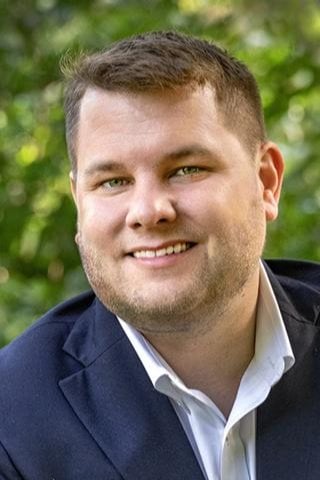
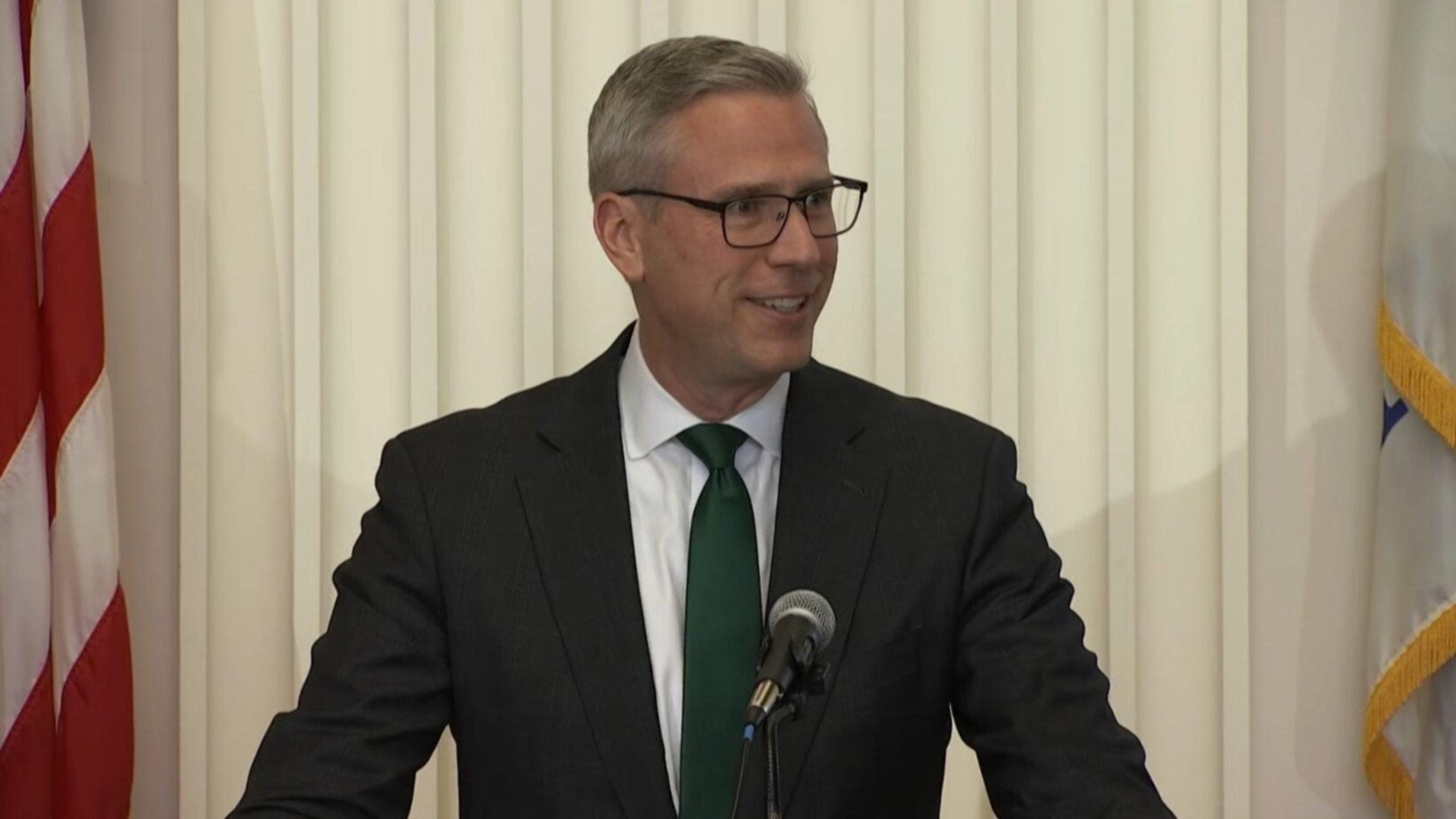
EDWARDSVILLE - Local financial advisor John Morrissey of Benjamin F. Edwards recently appeared on “Our Daily Show!” with CJ Nasello to share practical guidance on improving financial health. During the interview, Morrissey discussed common money myths and offered straightforward advice on budgeting, saving, debt, and long-term investing.
Get The Latest News!
Don't miss our top stories and need-to-know news everyday in your inbox.
“Money is very emotional. A lot of people don’t want to think about it,” Morrissey said. He explained that one of the simplest ways for individuals to gain better control over their finances is to look closely at how much money enters their bank account each month compared with how much goes out. According to Morrissey, even that basic awareness can be enough to prompt meaningful change. “The biggest thing is not to get yourself into trouble,” he added.
A significant part of that awareness involves understanding spending habits. Morrissey encourages people to examine their monthly expenses carefully, noting that smaller discretionary purchases and accumulating subscription services are often responsible for unseen financial strain. In his conversations with clients, he distinguishes among essential needs, enjoyable wants, and what he refers to as wishes—larger indulgences that are entirely optional, such as luxury vehicles or high-end jewelry. Recognizing the difference among these categories, he said, helps individuals make more intentional decisions with their money.
Once people have a clearer picture of their spending, Morrissey advises them to prioritize building a rainy day fund. He recommends saving enough to cover several months of living expenses, noting that the ideal amount varies depending on job stability and family responsibilities. “A rainy day fund is great. Things pop up,” he said. “Depending on how stable your job is and whether you have dependents, it might make sense to save anywhere from three to 12 months of expenses.”
Debt is another topic Morrissey frequently discusses with clients. He cautions that credit card debt is particularly easy to accumulate and difficult to eliminate due to its often high interest rates. While acknowledging that no one wants to take on debt, he encourages people to conduct a thoughtful cost-benefit analysis when considering obligations like student loans. He emphasizes that while financial advisors cannot make these decisions for clients, they can help individuals understand the long-term implications.
With savings established and spending under control, Morrissey encourages individuals to begin thinking about investing. He stresses the importance of starting as early as possible, highlighting the advantage of time in the market. “If you invest in your 20s rather than your 50s, that gives your money 30 years to grow,” he said. He encourages clients to consider when they may need access to their savings. Money intended for long-term goals may be appropriate for investment, while funds needed in the near term should remain accessible.
Throughout the interview, Morrissey emphasized the value of balance. While he supports responsible financial planning, he also recognizes the importance of enjoying life and maintaining reasonable disposable income. His approach focuses on helping clients make decisions that align with both their financial realities and their personal priorities.
For individuals unsure where to begin or looking for support in improving their financial health, consulting with a financial advisor can be a meaningful first step. To learn more about John Morrissey and Benjamin F. Edwards, visit his official webpage or call 618-685-2813. Benjamin F. Edwards is a member of SPIC.
“When you get your credit card bill at the end of the month, that might be the time to think about your spending,” Morrissey said. “You’ve got to have fun. But nobody who follows a budget is kicking themselves for doing so.”
More like this:



- Most Popular



- Top Stories


- Most Recent


- Sign In
- Home
- Video
- News
-
Weather
 Sponsored by Michael Ryan Exteriors - Roofing Professionals
 - Sports
- Obits
- Events
- Radio
- AP News
- Shop Local
- Classifieds
- Autos
- Real Estate
- Directory
Follow Us
Copyright © 2026 RiverBender.com All rights reserved.
primary