


Hernia vs. Sports Hernia: Understanding Hernias and Their Impact on Athletes
Learn how sports hernias differ from common hernias and why timely diagnosis and treatment are critical for athletes and non-athletes alike.
 When watching a basketball game on television, you may hear coaches and announcers say the star player is missing time with a hernia.
Get The Latest News!
Don't miss our top stories and need-to-know news everyday in your inbox.
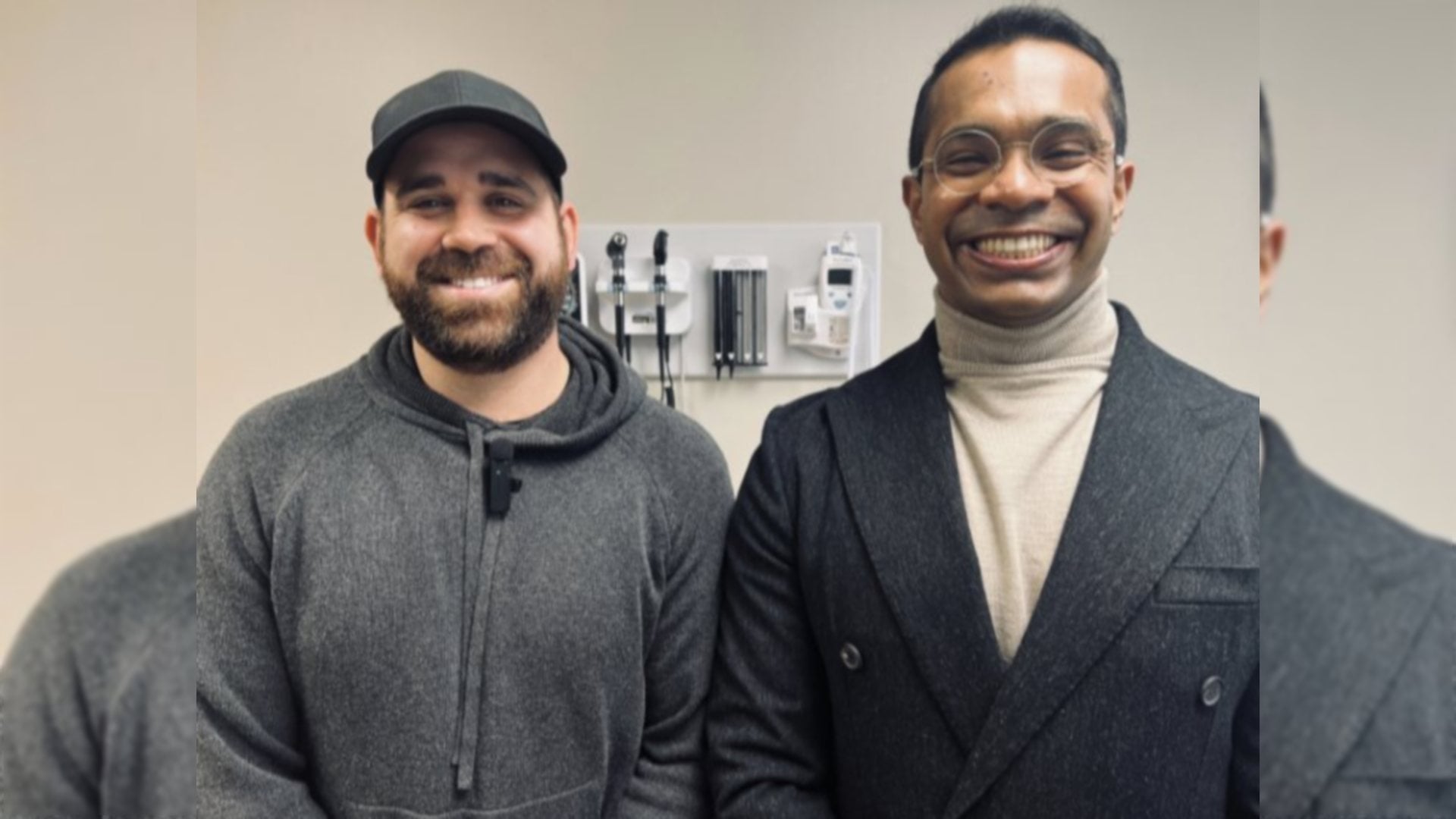
A sports hernia is different than a hernia suffered in everyday life, says Raman Kumar, MD, a colorectal surgeon and general surgeon at OSF HealthCare. But each should be taken seriously.
Hernia
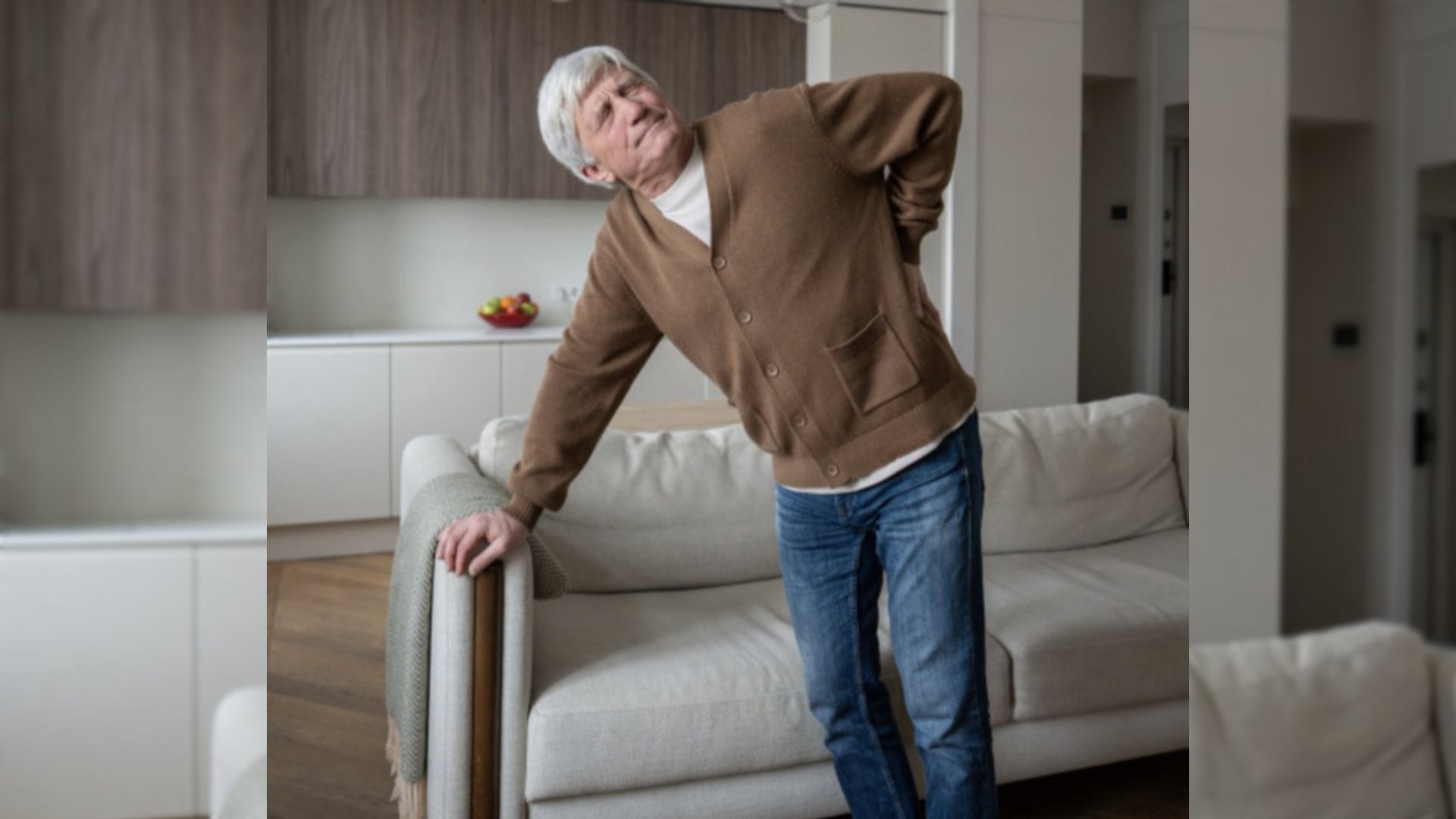
Dr. Kumar says a hernia is when an internal organ or piece of fat goes through a hole in the abdominal wall. The most common type – around 80% – is an inguinal hernia, when a part of the intestine pushes through the abdominal wall in the lower belly (also called the groin). Anyone can get a hernia, even newborns. But Dr. Kumar says they are seen more in older men. Symptoms include a bulge or swelling in the abdominal area and pain when moving.
“A lot of chronic heavy lifting,” can cause hernias, Dr. Kumar says. “Other things weaken the abdominal wall such as diabetes and smoking. Being obese causes a lot of weight hanging down on the abdominal wall. If you’ve had surgery in the past, that’s also a risk factor.”
So be mindful when lifting objects, Dr. Kumar advises. Lift with your knees, not your back, and don’t try to lift heavy items. Get a cart or a partner to help. Eat healthy and exercise to avoid obesity and diabetes. Avoid alcohol and cigarettes.
Dr. Kumar says an exterior wrap known as a hernia belt or abdominal binder can be a short-term solution. But surgery is often the endgame.
“If you have a hole or defect, it needs to be closed,” Dr. Kumar says. “The reason we fix hernias is because we don’t want a loop of intestine or bowel to get into the hernia, twist off and die.”
That would make a person very sick and possibly threaten their life, Dr. Kumar says.
Sports hernia
Dr. Kumar says a sports hernia is a muscle tear in the groin area. They’re seen in athletes due to all the twisting, turning and bending that comes with competition.
“Stretch before you do any type of activity. Work and develop your core muscles, including your abdominal and hip muscles.” Dr. Kumar says. “If the muscles are strong, they are less likely to tear.”
Athletes who complain of groin pain should immediately leave the competition and get checked out by a trainer or doctor. Resting and icing the groin will help, but a combination of medication, physical therapy or surgery will likely be needed to fully heal.
Be proactive
If you have symptoms of a hernia or sports hernia, see a health care provider right away.
“Nine times out of 10, we can determine you have a hernia just based on a physical exam,” Dr. Kumar says.
But for more complicated cases, your doctor may order an ultrasound or CT scan. Then, the provider will develop a treatment plan.
More like this:


- Most Popular

- Top Stories


- Most Recent


- Sign In
- Home
- Video
- News
-
Weather
 Sponsored by Michael Ryan Exteriors - Roofing Professionals
 - Sports
- Obits
- Events
- Radio
- AP News
- Shop Local
- Classifieds
- Autos
- Real Estate
- Directory
Follow Us
Copyright © 2026 RiverBender.com All rights reserved.
primary