


Fibermaxxing Gains Popularity Amid Rising Cancer Concerns
More people track their fiber intake aiming for higher amounts to improve overall health and reduce cancer risk, highlighting a new nutrition trend named fibermaxxing.
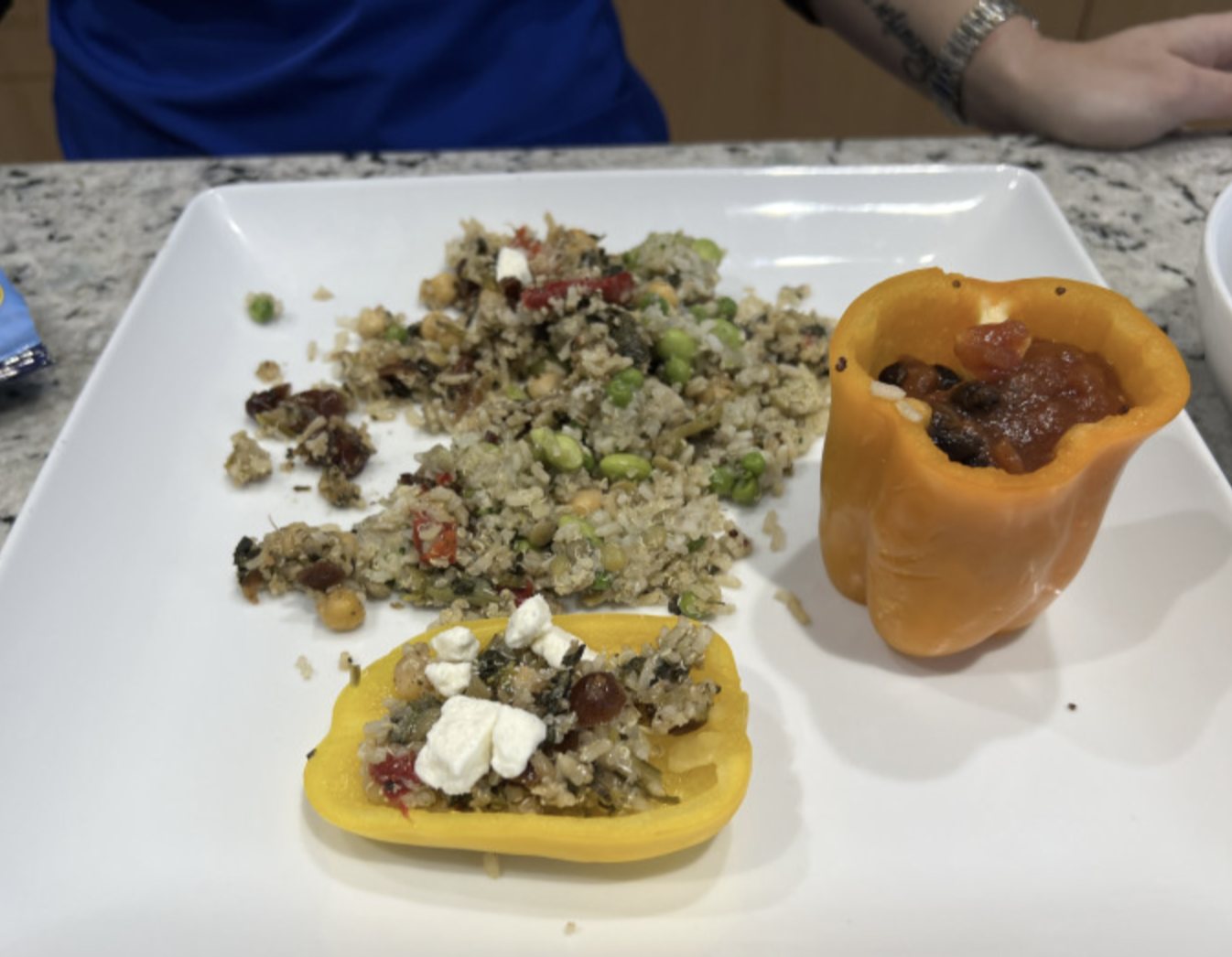 Protein isn't the only nutrient having its moment. Fiber wants a piece of the pie, too.
Due to overall health benefits and the increased concern of gastrointestinal cancers in younger people, #fibermaxxing is one of the latest health trends to hit social media.
Get The Latest News!
Don't miss our top stories and need-to-know news everyday in your inbox.
 “Protein has a competitor right now, and I’m not mad about it,” says Jeanna Brouwer, oncology registered dietitian with OSF Cancer Support Services. “Fibermaxxing is when people are going above and beyond past the recommended daily amount you need, which is about 25 grams for women and 30-38 for men. Fibermaxxing is usually when people are tracking their fiber and trying to get between 40 and 70 grams of fiber in a day.”
Brouwer says that fiber is a powerhouse to help prevent all kinds of cancer. Yet most Americans aren't getting the right amounts.
The American Society for Nutrition (ASN) reports only 5% of men and 9% of women are getting the recommended daily amount of dietary fiber.
The ASN reports that eating more fiber can reduce your risk of heart disease and diabetes as well.
When #fibermaxxing goes too far
“Fibermaxxing can be a wonderful and beautiful thing that helps you get adequate nutrition for long-term health; however, you need to be methodical about it. Some people overdo it very quickly,” Brouwer says. “You can jump from only getting 15 grams a day all the way to 50, and you’ll notice some impact in your system. That can show up as gas, bloating, changing in your bowel habits and being uncomfortable.”
For certain cancer and gastrointestinal patients, fiber intake needs to be limited.

“There are some in the population, like my patients who receive radiation to the GI area, where we want to restrict fiber for a little bit,” Brouwer says. “Some people with severe cases of irritable bowel syndrome (IBS) need to be very methodical and work with a health care provider. Other people who are having GI surgeries or recovering from surgery, you don’t want to go extreme with fiber.”
Diversify your fiber
Adding more fiber into your diet isn't just switching to whole-grain breads and pastas. Brouwer says you want to "diversify your fiber," starting with fruits and vegetables. She lists some more tangible additions to our diet that can spur on nutritional benefit.
- Barley, quinoa and oats
- Nuts (walnuts, almonds) and seeds (pumpkin and chia)
- Beans and legumes
"Pick a meal that you love and think about how you can add fiber to that," Brouwer says. "That can be throwing beans in your favorite salad, sprinkling chia seeds in your cereal or yogurt. It's slowly sprinkling these things in for the total day's count."
Fruits and vegetables aren't just fiber powerhouses; they're adding a whole list of other health benefits as well. The colors in your fruit and veggies have cancer-fighting antioxidants called polyphenols. Brouwer says polyphenols help feed the good gut bacteria and decrease inflammation. These nutrients help prevent all kinds of chronic disease.
The type of fiber you choose also can make a difference. Natural fiber is always the best, Brouwer says, as some mainstream items can contain synthetic fibers and cause excess gas and bloating.
Prebiotic vs. probiotic: What's the difference?
If you've walked down the grocery aisles lately, you've probably seen the terms "prebiotic" and "probiotic" thrown out many times.
Brouwer says probiotics are live bacteria and yeast that can benefit your gut health and fight off bad bacteria. Prebiotics are food for the good gut bacteria that already exist in your gut. Fiber-containing foods, Brouwer says, contain prebiotic fibers in them naturally. Bananas and artichokes are two great examples, she says.
This trend comes as colorectal cancer awareness month approaches in March. Additionally, actor James Van Der Beek, who announced his colorectal cancer diagnosis in 2024, passed away from the disease in February. Recent data released in early 2026 suggests colorectal cancer is now the leading cause of cancer deaths for adults under 50.
More like this:



- Most Popular



- Top Stories


- Most Recent


- Sign In
- Home
- Video
- News
-
Weather
 Sponsored by Michael Ryan Exteriors - Roofing Professionals
 - Sports
- Obits
- Events
- Radio
- AP News
- Shop Local
- Classifieds
- Autos
- Real Estate
- Directory
Follow Us
Copyright © 2026 RiverBender.com All rights reserved.
primary