
Common Spine Curvatures Explained by Medical Experts
Learn about lordosis and kyphosis, normal spine curvatures that can become problematic and require lifestyle adjustments to maintain spine health.
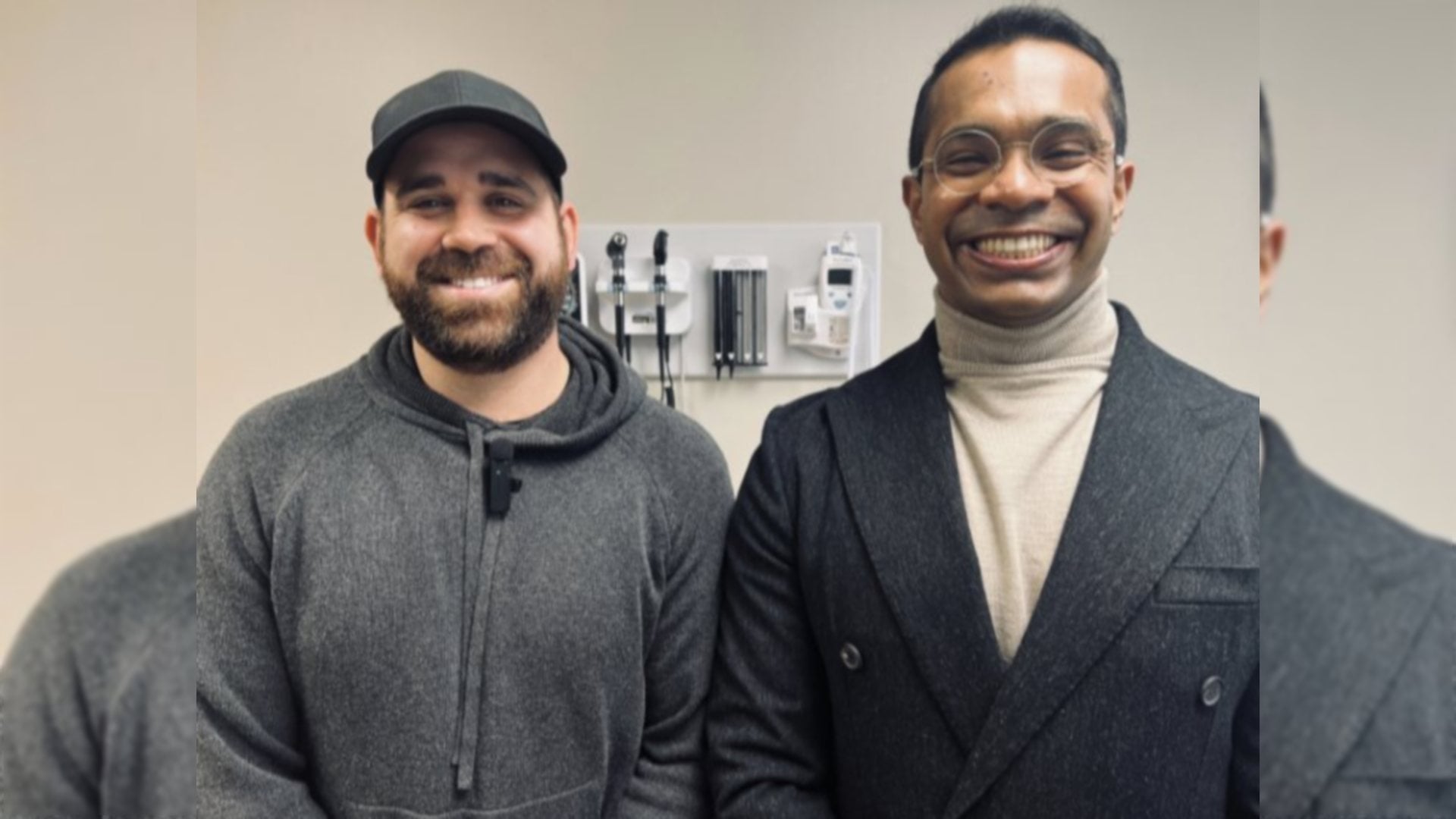
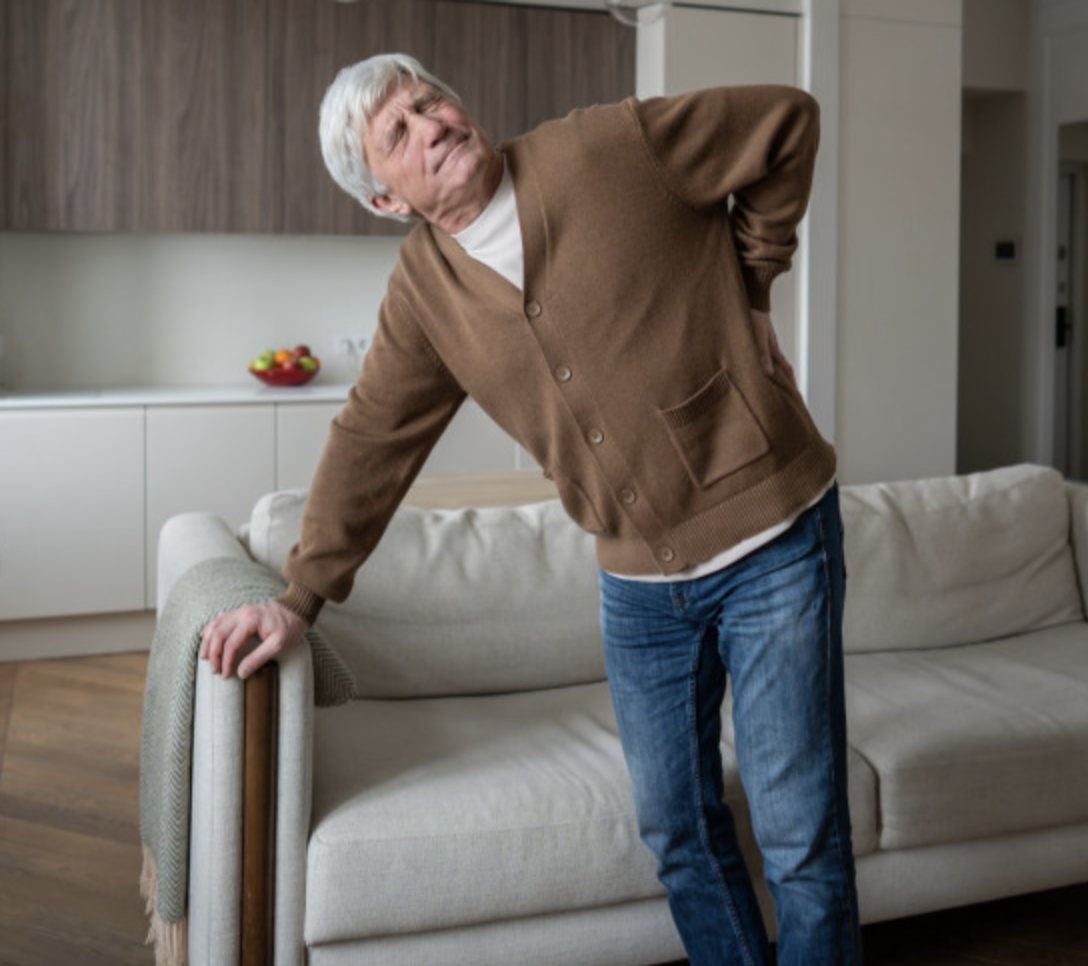 If you’re at a doctor’s appointment and the provider says “spine disorder,” you might stop in your tracks. But you don’t have to, says Sohail Syed, MD, an OSF HealthCare neurosurgeon. He says to think of spine problems as a spectrum.
Get The Latest News!
Don't miss our top stories and need-to-know news everyday in your inbox.
“You can be a little outside normal, and it’s not going to be a major problem. You’re probably never going to know. Or you can be in the in-between. You have some symptoms, but it’s not that bad. Maybe we don’t need to do anything. Maybe surgery is more harmful than just living with it. Then there are the clear and obvious cases where the quality of life is so impacted,” Dr. Syed outlines.
Still, it’s worth knowing the terms of spine health and what you can do to manage the problems. First, Dr. Syed highlights two terms that aren’t bonafide disorders but can be problems to correct.
- Lordosis: This refers to the normal, c-shaped curvature of the lower back.
- Kyphosis: This is the normal curvature of the upper back.
In each case, the term itself doesn’t indicate a deformity. But the curvature can become abnormal, prompting a spine physician to take a look and possibly recommend lifestyle changes.
Bonafide spine disorders include:
- Scoliosis: This curvature of the spine brings back pain “from muscles having to compensate to hold the spine and body in the right position,” Dr. Syed says. Sometimes, nerves get pinched, leading to chest, abdomen or leg pain. Severe cases could bring paralysis. Or, a lung could get pinched, leading to impaired breathing. This is called thoracic insufficiency syndrome.
Genetics, nutrition, muscle imbalance and lifestyle can all contribute to getting scoliosis. Your spine can also naturally worsen with age.
“The discs start to thin. The spine starts to tilt. That puts more strain on the joints. They tend to overgrow, twist and change in size. That creates a domino effect. You get this spine that’s really twisted,” Dr. Syed explains.
Dr. Syed adds that most scoliosis cases can be addressed without surgery. The person can change their lifestyle, notably getting on an exercise plan that strengthens the muscles that support the spine. In severe cases, a surgeon would put screws, rods or plates into your spine or make cuts in the bones.
Article continues after sponsor message“It pulls the spine into the correct space, frees up the nerves from the pressure on them and gets the spine to heal in that position,” Dr. Syed says.
- Sohail Syed, MDSpine disorders posterBack painScoliosisAnkylosing spondylitis
- Ankylosing spondylitis (AS): Dr. Syed says this is an inflammatory condition in various joints due to the body’s immune system not working properly.
“Normally, your spine is made up of a bunch of repeating segments. They move relative to each other. That’s how you bend and twist,” Dr. Syed says. “In AS, the joints start to become solid bone because of inflammation. That leads to very stiff, brittle painful bones. People are predisposed to fractures with minor falls. Those people we typically see, unfortunately, in trauma settings. They have brittle, stiff spine that doesn’t have any bend or give. They have a fall, and the spine breaks.”
Dr. Syed says a rheumatologist could put an AS patient on an immune-modifying medicine to prevent inflammation.
Prevention
Keeping a healthy spine comes down to “fundamental good behavior,” Dr. Syed says.
- Avoid activities that could injure the spine. That could be everyday things like heavy lifting or career choices like a contact sport.
- Maintain a healthy weight through a healthy diet and active lifestyle.
“You don’t want to be too skinny or too big,” Dr. Syed suggests. “That puts either too much strain [when you’re overweight] or not enough muscle to support the spine [when you’re underweight].
“It’s like Goldilocks,” Dr. Syed adds, referring to the “not too hot, not too cold” fairytale. “You want to work out but not too intensely that you’re crossing over into injury.”
Walks or light jogs could be the things for you, he says.
- Avoid smoking.
Learn more
Copyright 2026 Riverbender.com. All rights reserved. This material may not be published, broadcast, rewritten, or redistributed.More like this:
- Most Popular
- Top Stories
- Most Recent
- Sign In
- Home
- Video
- News
-
Weather
 Sponsored by Michael Ryan Exteriors - Roofing Professionals
 - Sports
- Obits
- Events
- Radio
- AP News
- Shop Local
- Classifieds
- Autos
- Real Estate
- Directory
Follow Us
Copyright © 2026 RiverBender.com All rights reserved.
primary