


Illinois's Chief Homelessness Officer Hosts Conversations About Homelessness in Madison County
Alton hosts homelessness listening sessions shaping Illinois’ Home Plan.


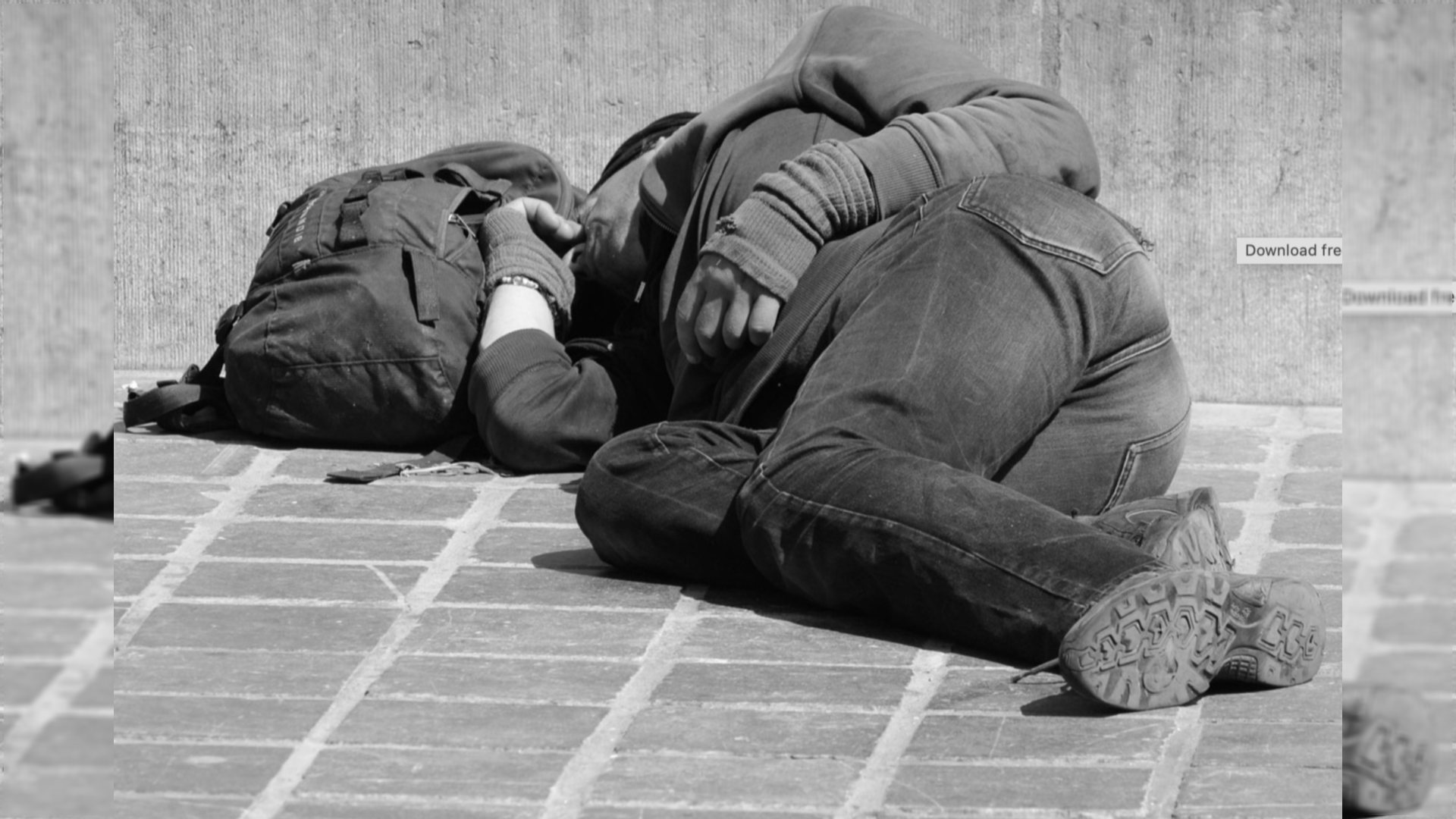
ALTON - Riverbend residents came together for a conversation about homelessness and the needs of unhoused community members.
Get The Latest News!
Don't miss our top stories and need-to-know news everyday in your inbox.
On Tuesday, Feb. 17, 2026, community leaders, representatives from nonprofits, and people experiencing homelessness met at First Presbyterian Church in Alton for two listening sessions with Chief Christine Haley. As Chief Homelessness Officer with the Illinois Office to Prevent and End Homelessness, Haley is holding listening sessions across the state to inform Home Illinois Plan: Illinois’ Plan to Prevent and End Homelessness.
“Homelessness is a solvable problem,” Haley said. “We encourage all people to get involved.”
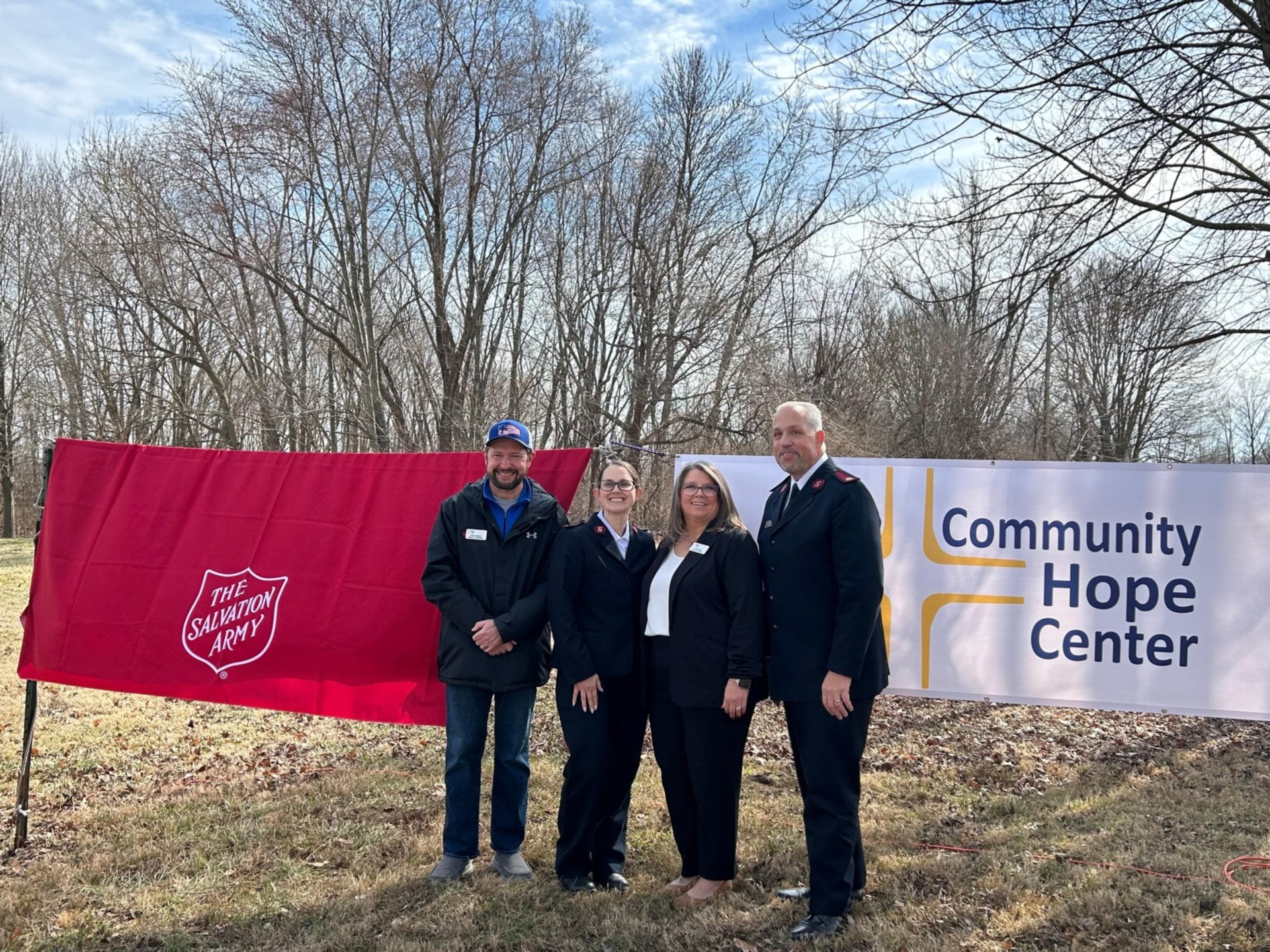
During the listening sessions, Haley guided the conversation with a few questions about the Madison County community’s response to homelessness. Attendees highlighted the collaboration between organizations like the Overnight Warming Locations, Riverbend Family Ministries and The Salvation Army.
“I’ve been very impressed with the amount of coordination and commitment from the community in both the warming center outreach and the ability to support folks in accessing healthy, warm food,” Haley said after the listening sessions. “I’ve been very impressed with just the amount of community engagement around addressing homelessness.”
However, attendees noted that most agencies are over capacity without enough staff. Some of this work is done “in silos,” without enough collaboration.
Additionally, community members commented that there are not enough permanent supportive housing options. The organizations often address immediate needs, but they need a way to provide more permanent help to people.
Throughout the listening session, attendees said that landlords need more incentives to work with agencies who are helping unhoused community members, many of whom have evictions on their records. They also pointed out that camping bans in communities like Alton have increased displacement and trauma for community members experiencing homelessness.
A few attendees suggested more collaboration between agencies and job training. They pointed out that unhoused individuals face many barriers, and employers with wraparound supports could go a long way toward helping people find employment.
The listening sessions spanned a variety of topics and ideas, and Haley emphasized the importance of these conversations.
“From our Illinois Department of Public Health's Morbidity and Mortality Report, people experiencing homelessness are dying 18 years earlier than people that are housed,” she shared. “The work that’s being done here really is life or death.”
She added that the country is “in the middle of an affordability crisis” and a lack of affordable housing is “the root cause of homelessness.” She also pointed out that everyone has a place on the “housing continuum,” and we can help one another by treating people experiencing homelessness with dignity and respect.
“We encourage you to really support your community members and their quest to find a home,” she said. “We really just encourage folks to learn more about the individuals who are experiencing homelessness, because they are neighbors. Folks who are unhoused are not quote-unquote ‘a problem’ to deal with. They are people, like you and me and your brother or sister or cousin or parent, who are members of our community who deserve a home.”
More like this:


- Most Popular



- Top Stories


- Most Recent



- Sign In
- Home
- Video
- News
-
Weather
 Sponsored by Michael Ryan Exteriors - Roofing Professionals
 - Sports
- Obits
- Events
- Radio
- AP News
- Shop Local
- Classifieds
- Autos
- Real Estate
- Directory
Follow Us
Copyright © 2026 RiverBender.com All rights reserved.
primary