


Why Humans Associate Red with Love
Humans associate red with love because red speaks the same emotional language as romance: it’s warm, vivid, and hard to ignore.
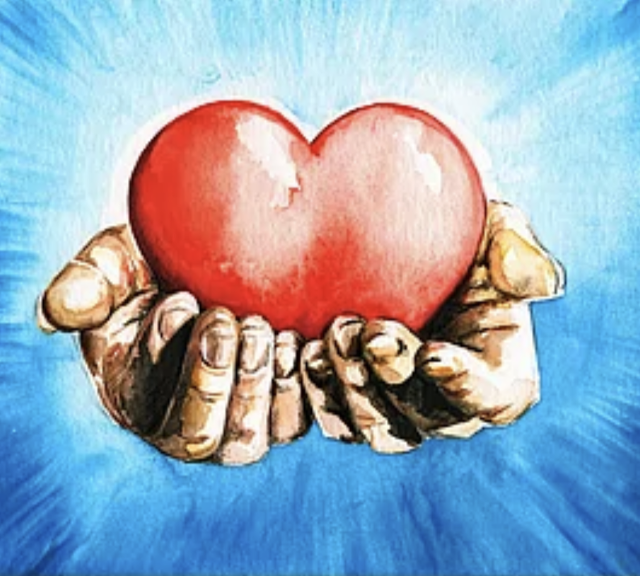
Red can make a heartbeat feel louder.
Think about how often love is shown in red: roses, hearts, lipstick, Valentine’s cards, even the little notification badge on your phone. It’s so common that it feels natural. But the link between red and love isn’t just a design habit. It comes from how our bodies react to red, what red signals in nature, and the stories and traditions people have built around it for centuries.
Red feels like the body, not just a color
One reason red fits love so well is simple: red is the color of us.
When people feel attraction, excitement, or embarrassment, blood moves closer to the skin. Cheeks flush. Ears get warm. A neck blushes. Those changes are visible, and they happen fast. Even if we don’t consciously notice them, our brains pick up the signal.
Red also shows up in the most intimate parts of life: lips, tongues, and the deep color of blood. That matters because love is not only an idea. It’s also a physical experience. The color red connects to that physical side in a way that blue or green usually doesn’t.
This is why red can feel “alive.” It suggests warmth, movement, and intensity—the same qualities people often associate with romance.
The brain treats red as a high-alert signal
Red doesn’t just remind us of the body. It also grabs attention.
Human vision is tuned to notice strong contrast, and red often stands out against natural backgrounds like green plants, brown earth, or gray streets. That makes it useful as a signal color. Stop signs, brake lights, and warning labels all use red because it’s hard to ignore.
Love works in a similar attention-grabbing way. When you’re into someone, your focus narrows. You notice small details. You replay moments. Red matches that “can’t look away” feeling.
There’s also a psychological effect: red tends to increase arousal—meaning it can make people feel more energized or activated. That doesn’t automatically mean romance, but it can amplify emotions that are already there. A candlelit dinner with red accents can feel more intense than the same dinner in pale gray tones.
Red sits at the crossroads of love and danger
Here’s the twist: red is tied to love partly because it’s also tied to danger.
Blood can mean life and injury. Fire can mean warmth and destruction. Red can signal both attraction and warning. That mix makes red emotionally powerful. Romance often carries a bit of risk—rejection, vulnerability, jealousy, heartbreak. Red fits because it holds both sweetness and threat in one color.
That’s why phrases like “seeing red” (anger) and “paint the town red” (wild excitement) can exist alongside “red-hot love.” The color doesn’t mean only one thing. It means intensity.
Nature has been using red as a “notice me” color for a long time
Humans didn’t invent the idea that red can signal attraction. Nature has been doing it.
In many species, red or reddish displays are linked to mating and health. Bright coloration can suggest strength, good genes, or high status. Even in humans, signs of good blood flow—like rosy cheeks—can be read as health and vitality.
That doesn’t mean people are consciously thinking, “That person has great circulation.” It’s more basic than that. We react to cues without needing to explain them.
This is also why red is common in beauty choices. Lipstick, blush, and nail polish often lean red or pink because those shades mimic natural signs of warmth and blood flow. The look reads as lively and attention-worthy.
How red became the official color of romance in the West
Biology may set the stage, but culture writes the script.
In Western traditions, red became strongly linked to romantic love through a mix of religion, art, and social customs:
- Hearts and blood. The heart is seen as the home of love, and blood is red. Even though the real heart isn’t shaped like a Valentine heart, the symbol stuck. Red made the message clear at a glance.
- Roses. Red roses became a classic romantic gift partly because of their beauty and rarity, and partly because poets and artists kept using them as a shorthand for passion.
- Valentine’s Day. The holiday grew into a major card-and-gift tradition, and red was the obvious choice for a love theme that needed to pop on paper and in shop windows.
Once a culture repeats a symbol enough, it becomes automatic. A red heart emoji doesn’t need explanation. People learn the meaning early and carry it for life.
Red means love in many places—but not always in the same way
Red’s connection to love is widespread, but different cultures emphasize different parts of it.
In China, red is strongly tied to good fortune, joy, and celebration, and it’s a major color in weddings. That overlaps with love, but it’s also bigger than romance. It’s about happiness and prosperity for a whole family.
In India, red is often linked to marriage, purity, and fertility. Brides commonly wear red, and red can symbolize commitment and new beginnings.
In parts of South Africa, red can be associated with mourning, showing that color meanings are not universal. Even when red is powerful, the emotion it points to can change depending on the tradition.
So why does red still work for love across so many places? Because the physical and attention-grabbing qualities of red are consistent, even when the cultural story shifts.
Idioms and everyday language keep the link alive
Language quietly reinforces the red-love connection all the time. A few examples:
- “Red-hot” for passion or intensity
- “Scarlet” as a symbol of sexual scandal (think of the idea of a “scarlet letter”)
- “Roses are red” as the opening line of a love poem many people learn as kids
- “Blushing” as a visible sign of attraction or embarrassment
Even when these phrases aren’t about romance directly, they keep red tied to strong feelings and social judgment. That makes it easy for red to slide into love symbolism again and again.
Red in modern life: why it still works on us
Red is everywhere in modern romance, including places that don’t seem romantic at first.
- Dating apps and social media. The “like” or “match” signals often use bright colors that resemble red or pink. It’s a quick emotional cue: attention, approval, desire.
- Advertising. Brands selling perfume, chocolate, or lingerie lean on red because it suggests passion and indulgence.
- Fashion. A red dress or red tie is often seen as bold, confident, and sexy. It’s not magic, but it’s a clear signal that the wearer wants to be noticed.
- Home and event design. Restaurants use red accents because they create warmth and energy. Weddings use red details to add drama and romance.
Red works well in a fast, visual world. It communicates “this matters” in a split second.
Practical ways to notice the red-love effect in your own experience
You can spot how much red shapes your feelings with a few simple observations:
- Pay attention to packaging and cards. When something is meant to feel romantic, does it use red, pink, or deep burgundy? What happens when it doesn’t?
- Notice your reactions to red clothing. Do you read a person in red as more confident or intense than the same person in beige or navy?
- Watch how red changes a space. A room with red lighting or red décor often feels warmer and more charged. Compare that to cool tones like blue, which tend to feel calmer.
- Look for “red moments” in your body. Blushing, warmth in the face, and a quickened pulse are part of why red fits love. The color and the feeling mirror each other.
These aren’t strict rules, and they won’t affect everyone the same way. But they can help you see how love symbolism is built from both biology and habit.
A color that matches love’s intensity
Humans associate red with love because red speaks the same emotional language as romance: it’s warm, vivid, and hard to ignore. It mirrors what happens in the body, it grabs the brain’s attention systems, and it carries cultural stories that people keep repeating in art, gifts, and everyday symbols. Love is rarely quiet. Red isn’t either.
More like this:


- Most Popular



- Top Stories


- Most Recent



- Sign In
- Home
- Video
- News
-
Weather
 Sponsored by Michael Ryan Exteriors - Roofing Professionals
 - Sports
- Obits
- Events
- Radio
- AP News
- Shop Local
- Classifieds
- Autos
- Real Estate
- Directory
Follow Us
Copyright © 2026 RiverBender.com All rights reserved.
primary