


Reflection In History: 89 Years Ago, Paul Tibbets Began His Military Career That Would Lead To Piloting The Historic Enola Gay
Tibbets graduated from Western Military Academy in Alton in 1933.

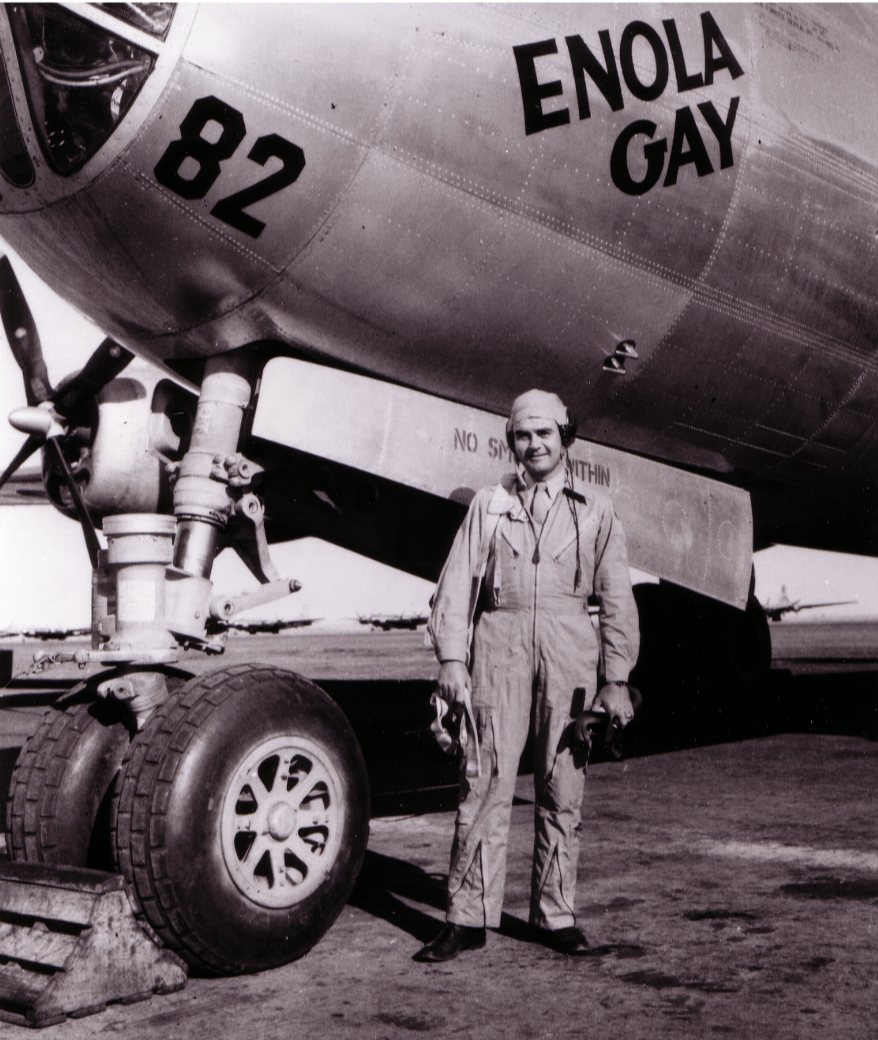
QUINCY/ALTON - 89 years ago, on Feb. 25, 1937, Paul Warfield Tibbets Jr. of Quincy, Illinois, enlisted as a cadet in the Army Air Corps, a step that preceded his later role as the pilot of the Enola Gay. He is shown in front of the famed aircraft above. This aircraft dropped the first atomic bomb in history on Hiroshima during World War II.
Get The Latest News!
Don't miss our top stories and need-to-know news everyday in your inbox.
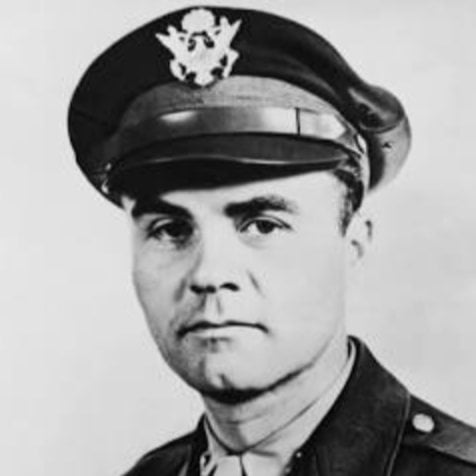 Tibbets, who later became a brigadier general in the United States Air Force, attended Western Military Academy in Upper Alton, Illinois, in the late 1920s and early 1930s, graduating in 1933. The academy operated from 1879 to 1971 and is noted for producing several distinguished military leaders.
Tibbets enlisted in the United States Army in 1937 and qualified as a pilot in 1938. He later commanded the 509th Composite Group, which conducted the atomic bombings of Hiroshima and Nagasaki.
Col. Tibbets did not bomb Nagasaki; he piloted the Enola Gay, which dropped the “Little Boy” atomic bomb on Hiroshima on Aug. 6, 1945. The Nagasaki bombing occurred three days later on Aug. 9, 1945, carried out by Maj. Charles Sweeney piloting the B-29 Bockscar.
Tibbets is one of those who is credited with ending World War II with the bombing of Hiroshima, and Maj. Charles Sweeney piloted the bomb on Nagasaki, Japan, on Aug. 9, 1945, in the B-29 Bockscar. Japan was forced to surrender following the bombings because of the destruction.
The bombs resulted in roughly 80,000 deaths in Nagasaki and 39,000 in Hiroshima, and many others died because of radiation and injuries from the bombs.
Following his mission in World War II, Tibbets returned to Western Military Academy in October 1945 to visit his old room.
Tibbets was born Feb. 23, 1915, and died Nov. 1, 2007. After the war, he received wide publicity and became a symbolic figure in the debate over the Hiroshima and Nagasaki bombings.
More like this:


- Most Popular


- Top Stories
- Most Recent


- Sign In
- Home
- Video
- News
-
Weather
 Sponsored by Michael Ryan Exteriors - Roofing Professionals
 - Sports
- Obits
- Events
- Radio
- AP News
- Shop Local
- Classifieds
- Autos
- Real Estate
- Directory
Follow Us
Copyright © 2026 RiverBender.com All rights reserved.
primary