


This Day in History on March 10: Harriet Tubman's Birth and Death
Read on to learn more about what has happened on this date in history.
On March 10, 1876, a simple sentence spoken into a new machine signaled a major shift in how people could connect across distance. In a Boston boardinghouse, inventor Alexander Graham Bell used his experimental telephone to call his assistant, Thomas Watson, saying, “Mr. Watson—come here—I want to see you.” It mattered immediately because it proved that the human voice could be sent clearly over a wire, not just clicks or coded signals. Over time, that breakthrough helped reshape business, emergency response, family life, and politics by making real-time conversation possible across towns, countries, and eventually the globe. Even in today’s world of smartphones and video calls, that first successful telephone message stands as a turning point: it marked the start of a long chain of inventions that made instant communication an everyday expectation.
Get The Latest News!
Don't miss our top stories and need-to-know news everyday in your inbox.
The story of March 10 reaches back much further than the telephone. In 241 BCE, the First Punic War ended after more than two decades of fighting between Rome and Carthage, two major powers of the ancient Mediterranean. The conflict had been driven by control of trade routes and territory, especially around Sicily. Rome’s victory helped establish it as the dominant force in the western Mediterranean and set it on a path toward empire. Carthage survived, but the defeat created financial strain and political tension that would feed into later wars between the two rivals. For people living at the time, the end of the war meant a new balance of power; for later history, it helped shape the rise of Rome as a major political and military model for centuries.
Many centuries later, March 10 also carried consequences for the politics of Europe. In 1629, England’s King Charles I dissolved Parliament and began a period often called the “Personal Rule,” during which he governed without calling a new Parliament for years. The immediate issue involved disputes over taxation, religion, and the limits of royal authority. While this decision did not cause a crisis overnight, it deepened mistrust and hardened opposing views about who should control national policy. When financial and military pressures eventually forced the king to call Parliament again, the earlier breakdown in cooperation made compromise harder, contributing to the tensions that later erupted into the English Civil Wars. The date is remembered as one step in a longer struggle over constitutional government and the role of representative institutions.
The modern era brought more direct examples of how states tried to manage conflict and security. On March 10, 1959, an uprising began in Lhasa, Tibet, amid growing resistance to Chinese rule. Protests and fighting followed, and the Dalai Lama fled into exile in India later that month. The events of 1959 had lasting effects on Tibetan society, on the politics of the region, and on international debates about autonomy, sovereignty, and cultural preservation. For many Tibetans, the date marks the beginning of a new and difficult chapter shaped by displacement and political change. For the wider world, it remains part of a continuing conversation about how governments handle minority regions and how communities maintain identity under pressure.
The day has held cultural milestones as well, reflecting how entertainment can shape shared memory. On March 10, 1946, the Academy Awards were held for the first time in Hollywood’s postwar period, as the film industry adjusted to new audiences and new expectations. While the Oscars began earlier (in 1929), the mid-1940s marked a time when cinema played an especially strong role in public life, offering both escapism and reflection after World War II. Over the decades, major awards ceremonies became global media events, influencing what films are preserved, promoted, and widely discussed. They also show how cultural influence can spread through mass communication—an echo, in a different form, of the broader communication revolution that began with inventions like the telephone.
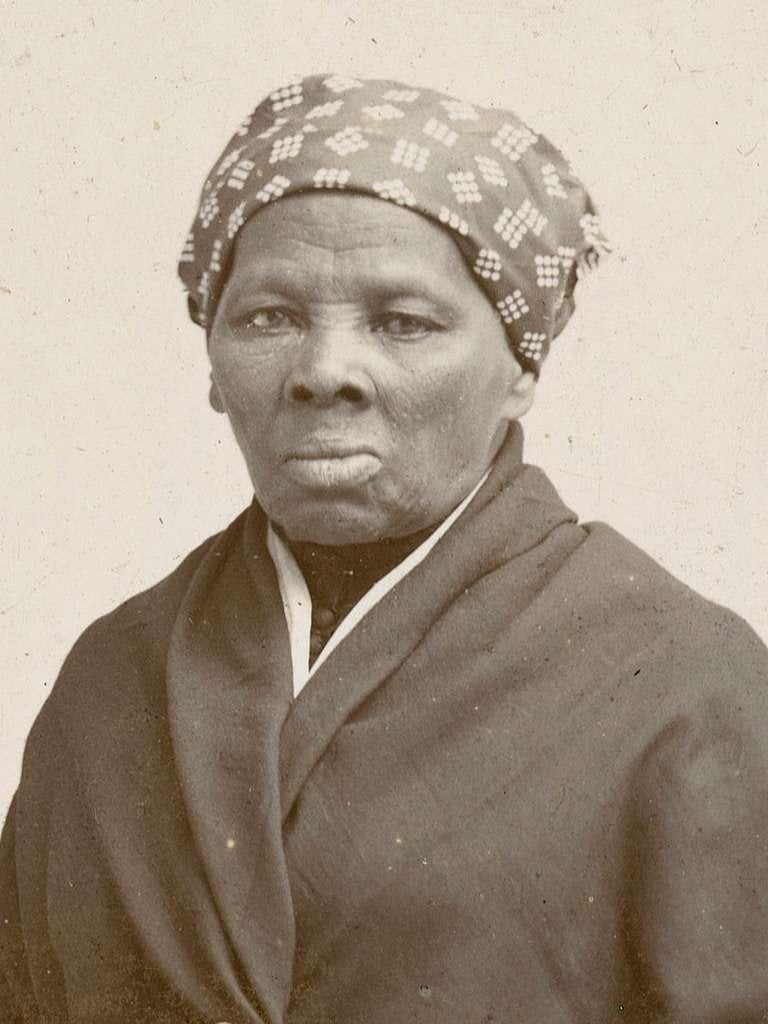
Notable births on March 10 also show the range of ways individuals can shape culture and public life. Harriet Tubman, born around this date in 1822 (records vary), became one of the most recognized figures in the fight against slavery in the United States. After escaping bondage herself, she returned repeatedly to help others reach freedom through the Underground Railroad, and later supported the Union effort during the Civil War. Tubman’s life is remembered for courage and practical leadership under extreme danger, and for how individual action can contribute to broader social change.
In 1928, James Earl Ray was born on March 10; he later became infamous for assassinating civil rights leader Martin Luther King Jr. in 1968. While Ray is not remembered for constructive achievements, his birth date is often noted because his act became tied to a pivotal moment in the civil rights movement and in U.S. history. Including such a figure is a reminder that history records not only builders and reformers, but also those whose actions caused harm and altered events in tragic ways.
The arts are represented by Sharon Stone, born March 10, 1958, an actor whose work in film and television made her a prominent figure in late 20th-century popular culture. Her career reflects broader shifts in global media, celebrity, and the international reach of Hollywood.
In a different corner, Osama bin Laden was born on March 10, 1957, and later led al-Qaeda, the group responsible for the September 11, 2001 attacks. His life and actions had wide-reaching consequences for global security policies, wars, and surveillance practices in the 21st century. Remembering his birth in a historical context is not an honor; it is a way of marking how individuals can shape events for the worse as well as for the better.
Notable deaths on March 10 include Harriet Tubman, who died in 1913. Her death closed a life that had spanned slavery, civil war, and emancipation, and her legacy continued through later generations of civil rights activism. Tubman’s story remains widely taught because it connects moral choices, personal risk, and the long struggle to expand freedom and rights.
A clear historical example is the death of Soviet leader Konstantin Chernenko on March 10, 1985. Chernenko led the Soviet Union for a short time during a period of economic strain and political uncertainty. His death mattered because it opened the way for Mikhail Gorbachev’s rise, which soon brought major reforms and helped set in motion changes that contributed to the end of the Cold War and the dissolution of the Soviet Union. In that sense, a single leadership transition became part of a much larger global shift.
March 10 also marks the death of Andy Gibb in 1988, a singer who found major success in the late 1970s with a string of popular hits. His career reflected the era’s music industry, where radio, television, and touring could quickly turn a performer into an international name. His early death became part of a broader public awareness about the pressures of fame and the personal struggles that can sit behind a public image.
Seen together, the events of March 10 show how history moves through many channels at once.
More like this:




- Most Popular



- Top Stories



- Most Recent



- Sign In
- Home
- Video
- News
-
Weather
 Sponsored by Michael Ryan Exteriors - Roofing Professionals
 - Sports
- Obits
- Events
- Radio
- AP News
- Shop Local
- Classifieds
- Autos
- Real Estate
- Directory
Follow Us
Copyright © 2026 RiverBender.com All rights reserved.
primary