


Weighted Vests Boost Walking and Running Workouts Effectively
Adding weight with a vest can enhance exercise intensity by distributing resistance evenly across the upper body for better results during walks or runs.
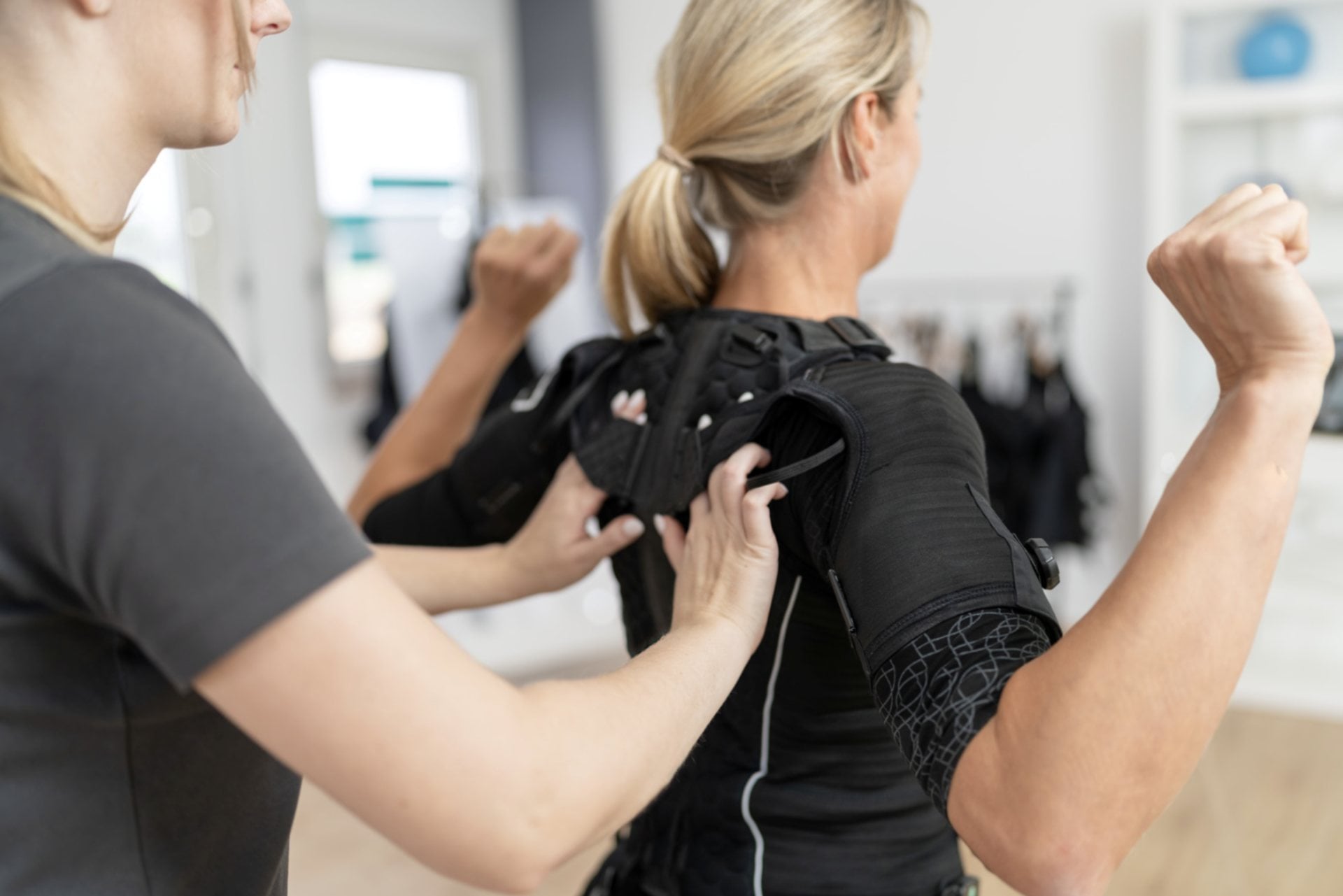 As spring approaches, more people will head outdoors to take a walk or run. One way to add to the intensity of your workout is by wearing a weighted vest.
Adding weight to a walk or run is nothing new. People have been using hand weights or wrists and ankle weights for years. But experts say wearing a vest across your upper body evenly distributes the added weight.
Get The Latest News!
Don't miss our top stories and need-to-know news everyday in your inbox.
“I highly recommend it to most of my patients, because if you think about it, it adds to whatever kind of exercise you're doing,” says Faheem Ahmad, MD, a sports medicine physician with OSF HealthCare. “If you're doing cardio, it adds resistance or strength training. It adds more of a challenge to it.”
Many benefits
Dr. Ahmad says the benefits include burning more calories, higher heart rate, improved posture, increased strength and gaining a stronger core.
Kicking up the intensity of your workout will make your heart work harder. And walking with a weighted vest works your leg muscles.
“There are many benefits,” he says. “Number one is your muscles. It makes your muscles stronger. It doesn't matter if you're doing cardio or resistance training, you're benefitting from it.”
Anyone can use a weighted vest unless you have experienced certain health conditions including dizziness, high blood pressure, osteoporosis or have recently suffered a heart attack. Added weight doesn’t help if you have arthritis in your hips or knees either.
The key to using a vest is to use caution and start slowly. Add distance and intensity as you get used to wearing the weighted vest.
Start gradually
Dr. Ahmad recommends coming up with a game plan. Begin by using a vest that is 5% of your body weight. For example, if you weigh 150 pounds, begin with a vest that weighs 7.5 pounds. And test your vest by taking a short walk around your neighborhood.
“Start by walking two to three times a week and then do 10 to 15 minutes of exercise per day,” he says. “If you want to push your resistance a little more, then slowly increase by 5% of your body weight every four to six weeks.”
And weighted vests aren’t just for walking or running.
“You can incorporate this into your weight training, your resistance training too, because it gives more resistance, and it gives a challenge to your core, in particular the back muscles,” he says. Just make sure your form, balance and posture are good to avoid potential injury.
Lisa Crocker of Belvidere, Illinois, began using a 10-pound weighted vest last summer, when she read about the trend on TikTok. She started slowly, walking a mile at a time before working up to six miles. She has noticed a significant difference in her workouts.
“The main reasons I wanted one was to help improve my core and posture,” she says. “It’s really helped, and I burn more calories. Now I notice a big difference when I don’t wear it.” Crocker adds that three of her friends have now purchased weighted vests.
Do your homework
Like Crocker, Dr. Ahmad says many of his patients are curious about the idea of wearing a weighted vest. Most of the questions center on benefits and safety issues.
Dr. Ahmad says there is no shortage of weighted vests to choose from. Cost ranges from $30 to $300 and up.
But if wearing a vest isn’t your thing, don’t worry. Dr. Ahmad says what’s most important is getting in your daily steps or miles.
“It doesn't matter what kind of exercise you do,” he says. “But if you incorporate those into your daily life, 150 minutes per week is beneficial for you.”
More like this:





- Most Popular



- Top Stories


- Most Recent



- Sign In
- Home
- Video
- News
-
Weather
 Sponsored by Michael Ryan Exteriors - Roofing Professionals
 - Sports
- Obits
- Events
- Radio
- AP News
- Shop Local
- Classifieds
- Autos
- Real Estate
- Directory
Follow Us
Copyright © 2026 RiverBender.com All rights reserved.
primary