


The Origins of Pi Day
Pi Day didn’t come from a government office or a centuries-old custom. It came from people choosing to make learning feel alive.
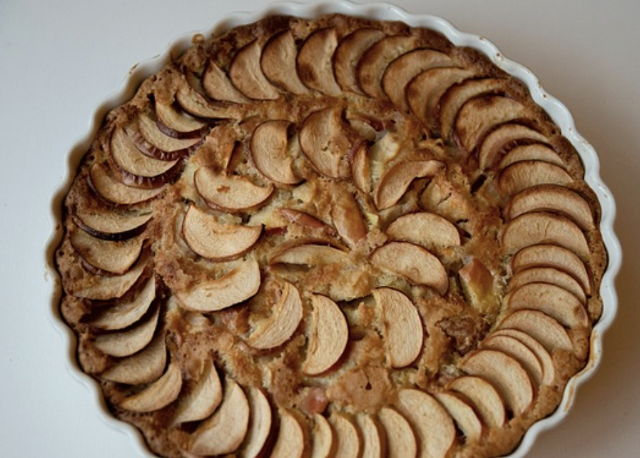
A math holiday built around an infinite, never-ending number sounds like a joke—until you realize it’s one of the most widely recognized “unofficial” celebrations in the world.
Get The Latest News!
Don't miss our top stories and need-to-know news everyday in your inbox.
Pi Day, celebrated on March 14, looks playful on the surface. People eat pie, wear circle-themed shirts, and trade “pi” jokes. But the story behind it is also a story about how a classroom idea can spread into pop culture, how a simple date can turn into a symbol, and how math can feel personal instead of distant.
What makes March 14 “Pi Day” in the first place?
Pi (written as the Greek letter p) is the number you get when you divide a circle’s circumference by its diameter. No matter the size of the circle—pizza, a bike wheel, a dinner plate—the ratio stays the same.
That number begins with 3.14, which is why 3/14 became the obvious date to honor it (in the U.S. month/day format). The connection is simple, memorable, and satisfying. It turns a math fact into something you can point to on a calendar.
Outside the U.S., many countries write dates as day/month, which makes March 14 appear as 14/3 instead of 3/14. That’s one reason Pi Day caught on fastest in American schools at first. Still, the idea spread widely anyway because the theme is easy to adapt: circles, math puzzles, and—of course—pie.
The real origin: a science museum, not ancient Greece
Pi itself is ancient. Pi Day is not.
The first known organized Pi Day celebration happened in 1988 at the Exploratorium in San Francisco, a hands-on science museum famous for turning complex ideas into interactive experiences. The event is credited to Larry Shaw, a physicist who worked there and became known as the “Prince of Pi.”
The Exploratorium’s early Pi Day activities were delightfully literal. People walked in a circular parade and ate fruit pies. The point wasn’t to deliver a lecture on geometry. It was to make math feel tangible and fun—something you could walk around, taste, and laugh about.
That approach mattered. Pi can feel abstract because its digits never end and never settle into a repeating pattern. Turning it into a museum celebration made it social and physical. You didn’t have to “be good at math” to join in.
Why pi became the perfect number for a holiday
Plenty of numbers are important. Few are as recognizable as pi.
Pi shows up anywhere circles show up, which is almost everywhere:
- Wheels and gears in cars and bikes
- Pipes and plumbing measurements
- Architecture (domes, arches, columns)
- Sports (the size of balls, tracks, and hoops)
- Technology (signals, waves, and graphics)
Even if you never use a formula like ( C = 2\pi r ) in daily life, you benefit from people who do. When a company designs a lid that fits a jar or a mechanic measures a tire, pi is quietly doing its job.
Pi is also famous because it’s irrational, meaning it can’t be written as a simple fraction, and its decimal goes on forever without repeating. That endlessness makes it feel mysterious. It invites games, like memorizing digits, and it fuels the idea that math can be both precise and strange at the same time.
From museum tradition to national recognition
For a while, Pi Day was mostly a clever museum event and a school-friendly excuse to do something different in math class. Then it started showing up in more places—teachers shared it, students requested it, and media outlets noticed it.
In 2009, the U.S. Congress passed a resolution recognizing March 14 as National Pi Day. It wasn’t a law that created a federal holiday with a day off. It was more like an official nod: yes, this is a real cultural thing, and it’s worth encouraging math and science education.
That recognition helped Pi Day move from “nerdy inside joke” to mainstream tradition. Once something gets a spot on calendars, morning announcements, and news segments, it becomes part of the yearly rhythm of schools and workplaces.
The pie connection: a pun that turned into a tradition
Pi Day would not be as popular without pie.
“Pi” and “pie” sound the same in English, and that single pun did a lot of heavy lifting. It gave people an easy way to celebrate without needing to explain anything complicated. You can bring a pie to school or the office, and suddenly you’re participating.
This is one of the reasons Pi Day is so sticky culturally: it’s both brainy and approachable. You can join by solving a geometry problem, or you can join by eating dessert. Either way, you’re part of the event.
You’ll also hear common Pi Day sayings and jokes, like:
- “May the pi be with you.”
- “I ate too much pie… now I’m feeling irrational.”
- “Let’s talk about pi—endlessly.”
They’re corny on purpose. The humor lowers the stakes and makes math feel less like a test.
Common misunderstandings about Pi Day (and pi)
Pi Day comes with a few ideas that get repeated so often they start to sound true, even when they’re not.
Misunderstanding #1: Pi equals 3.14.
3.14 is just a rounded approximation. Pi is about 3.14159… and keeps going.
Misunderstanding #2: Pi is only useful in geometry class.
It’s used in engineering, physics, construction, computer graphics, and even medical imaging. Any time circles or waves appear, pi is nearby.
Misunderstanding #3: Pi Day is an ancient tradition.
It’s a modern celebration. The number is ancient; the holiday is not.
There’s also a date-related mix-up: some people treat July 22 (22/7) as “Pi Approximation Day,” because 22/7 is a famous fraction close to pi. In countries that write dates as day/month, 22/7 is a neat match. It’s not as globally famous as March 14, but it’s another example of people enjoying the playful side of math.
How Pi Day shows up in modern life
Pi Day has become a small but real cultural event. You’ll see it in:
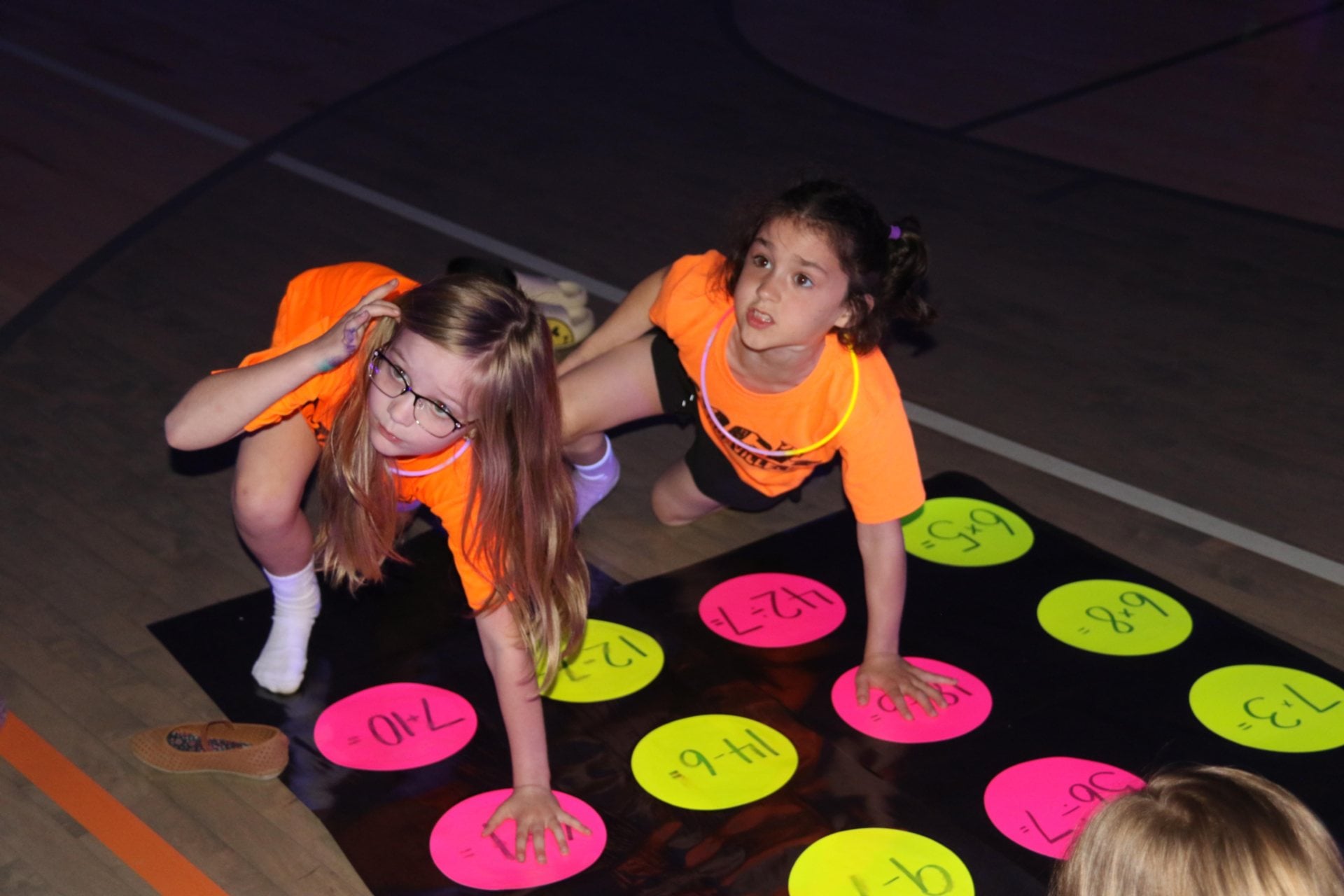
- Schools, with math games, circle-based activities, and digit-memorization contests
- Bakeries and pizza shops, offering “Pi Day deals” on pies and pizzas
- Social media, where people post jokes, facts, and the digits they’ve memorized
- Workplaces, especially in tech and engineering, where it becomes a team tradition
It also overlaps with another famous March 14 fact: it’s Albert Einstein’s birthday. That’s not why Pi Day exists, but it adds to the “math and science” vibe people like to mention.
Practical ways to spot pi in your own experience
You don’t need a lab or a textbook to find pi. A few simple moments make it real:
- Measure a round object: Wrap a string around a mug or plate to find the circumference, then measure the diameter across the center. Divide circumference by diameter. You’ll get something close to 3.14.
- Notice circles in design: Lids, wheels, coins, speakers, and light fixtures all rely on circular measurements.
- Think about “rounding”: Pi Day is a reminder that many real-world numbers are approximations. Engineers round. Cooks round. Even your phone rounds. Precision is often a choice, not a requirement.
A good takeaway is that pi isn’t just a number to memorize. It’s a relationship built into the shape of the world. That’s why it keeps showing up.
Why the origins of Pi Day matter
Pi Day didn’t come from a government office or a centuries-old custom. It came from people choosing to make learning feel alive. A museum celebration caught on because it was simple, clever, and welcoming. It offered a way to talk about math without making it intimidating.
That’s the real lesson behind the holiday’s origin: big cultural traditions don’t always start with grand plans. Sometimes they start with a small idea that’s easy to share—like walking in a circle, laughing at a pun, and taking a bite of pie while an infinite number quietly connects it all.
More like this:




- Most Popular


- Top Stories



- Most Recent



- Sign In
- Home
- Video
- News
-
Weather
 Sponsored by Michael Ryan Exteriors - Roofing Professionals
 - Sports
- Obits
- Events
- Radio
- AP News
- Shop Local
- Classifieds
- Autos
- Real Estate
- Directory
Follow Us
Copyright © 2026 RiverBender.com All rights reserved.
primary