


The Roots of St. Patrick’s Day
St. Patrick’s Day began as a day on the Christian calendar.

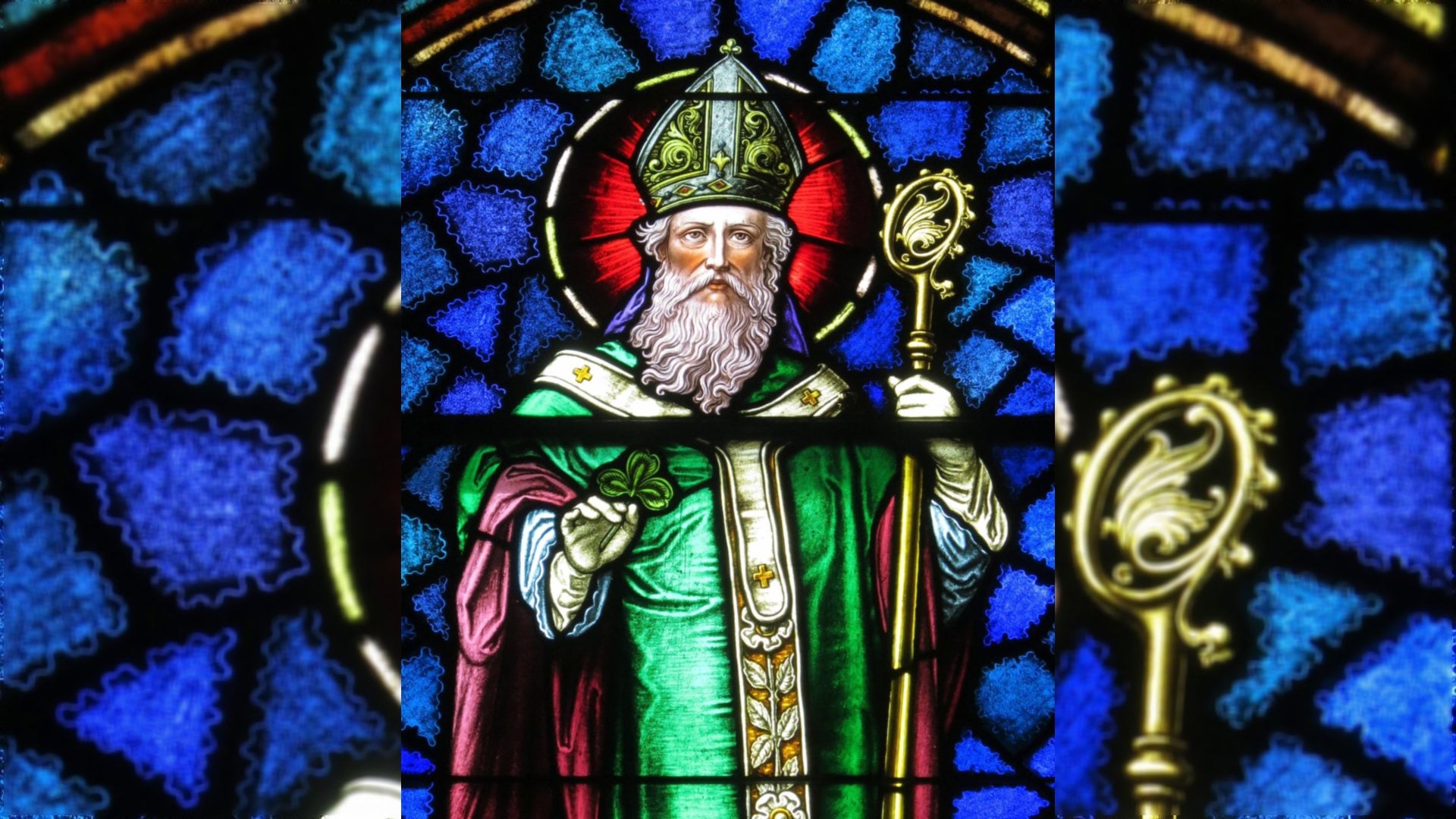
St. Patrick’s Day isn’t really “about” green beer—at least not at first. The holiday began as a religious feast day for a missionary bishop, and some of its most famous symbols (like shamrocks and snakes) are a mix of history, storytelling, and later marketing.
A holiday that started in church, not in a parade
Get The Latest News!
Don't miss our top stories and need-to-know news everyday in your inbox.
St. Patrick’s Day began as a day on the Christian calendar. March 17 marks the death date traditionally linked to Patrick, a fifth-century religious leader who helped spread Christianity in Ireland. For centuries, the day was observed with church services and quiet reflection. In Ireland, it was also a break during the season of Lent, when many Christians avoided rich foods and alcohol. That pause made the day feel special, but it was still mainly spiritual.
The big street celebrations came later. Parades, parties, and public displays grew as Irish communities outside Ireland used the day to show pride and solidarity—especially in places where being Irish once brought discrimination.
Who was St. Patrick, really?
One of the most surprising parts of St. Patrick’s story is that he wasn’t Irish.
Patrick was likely born in Roman Britain (roughly modern-day England or Wales). As a teenager, he was kidnapped by raiders and taken to Ireland, where he was forced into slavery. He later escaped and returned home. According to writings credited to him, that experience shaped his faith deeply.
Years later, Patrick came back to Ireland as a missionary. The details of his work are hard to pin down because records from that time are limited. But the broad outline is clear: Patrick became a major figure in Ireland’s early Christian history, building communities and teaching a new religion in a land that already had rich traditions and beliefs.
That mix of old and new matters. Ireland’s conversion to Christianity wasn’t a simple “before and after.” It was more like a long blending process, with local customs and Christian practices influencing each other.
The shamrock: a teaching tool turned national symbol
The shamrock is one of the most recognizable St. Patrick’s Day images. The popular story says Patrick used a three-leaf clover to explain the Christian idea of the Trinity (Father, Son, and Holy Spirit). Whether that exact moment happened is uncertain, but the idea makes sense as a teaching method. If you’re explaining a complex concept to people with different backgrounds, you reach for something familiar and easy to hold in your hand.
Over time, the shamrock moved beyond religion. It became a symbol of Ireland itself. Today you see it on sports jerseys, airline logos, souvenirs, and pub signs. It’s a good example of how a simple plant can turn into a cultural shorthand for identity.
Practical way to spot this in daily life: anytime a symbol gets repeated on clothing, packaging, or social media until it “stands for” a whole group of people, you’re watching the same process that turned a shamrock into a national emblem.
Snakes, legends, and why the story stuck
You’ve probably heard that St. Patrick drove the snakes out of Ireland. It’s a great image: one man, one staff, and a dramatic banishment of slithering danger.
There’s a problem, though. Ireland likely didn’t have snakes in the first place after the last Ice Age. So why does the story exist?
Many historians think the “snakes” are symbolic. In Christian storytelling, snakes often represent evil or pagan beliefs. The legend may reflect the broader idea of Christianity replacing earlier religious practices. Even if it isn’t literal, it communicates something people understood: Patrick brought change, and change can feel like a battle between old and new.
This is also how myths work in everyday life. A story doesn’t need to be scientifically accurate to be powerful. It needs to be memorable, repeatable, and meaningful.
From Irish feast day to global celebration
St. Patrick’s Day became what many people recognize now largely through the Irish diaspora—Irish immigrants and their descendants, especially in North America.
In the 1800s, Irish immigrants faced harsh prejudice in the United States and elsewhere. “Irish Need Not Apply” signs and stereotypes were common. Public celebrations of Irish identity weren’t just parties; they were statements. Parades and gatherings helped communities support each other, raise funds, and claim space in public life.
Over time, St. Patrick’s Day shifted again. It became less about religion and more about cultural pride and community. Cities began to treat it as a major civic event. Businesses joined in. Tourism grew. Traditions spread far beyond people with Irish ancestry.
You can see this pattern in other holidays too: a day starts with a specific meaning, then expands as more people adopt it. The celebration becomes a mix of history, identity, and entertainment.
Why everything is green (and why it wasn’t always)
Green is now the default color of St. Patrick’s Day: green shirts, green hats, green rivers, and green frosting. But early images associated with St. Patrick often used blue. The shift toward green is tied to Ireland’s landscape, the shamrock, and Irish nationalist movements that used green as a political symbol.
Then marketing did the rest. Green is easy to spot, easy to sell, and easy to turn into a theme. Once a color becomes part of a holiday’s “look,” it spreads fast—especially when people want to show they’re participating.
A common saying tied to this is “the wearing of the green,” which points to clothing as a sign of belonging. That’s still true now, even if the stakes are lower. A green hoodie or pin is a quick way to say, “I’m in on this,” whether you’re at school, at work, or out with friends.
Traditions people recognize—and what they actually mean
Several St. Patrick’s Day customs are widely practiced, but often misunderstood:
Parades: Many assume parades began in Ireland. Some of the earliest large parades, though, took shape in the United States. They were community events and public identity statements before they were tourist attractions.
Corned beef and cabbage: This is often treated as a classic Irish meal, but it became popular among Irish immigrants in America. In Ireland, pork was more common. In the U.S., corned beef was a cheaper substitute that fit local markets. The “traditional” meal is really a story about adaptation.
Leprechauns: Leprechauns come from Irish folklore, but their modern image—tiny man, green suit, cartoonish grin—was shaped heavily by later popular culture. Folklore leprechauns were not necessarily friendly mascots.
“Kiss me, I’m Irish”: This slogan is playful, but it also shows how Irish identity became something many people felt comfortable claiming, even temporarily. It’s a big change from the days when Irishness was treated as a reason to exclude someone.
What St. Patrick’s Day reveals about culture in real life
St. Patrick’s Day is a useful lens for understanding how traditions evolve:
- A real person can become a symbol. Patrick was a historical figure, but the holiday version of him is part history, part legend.
- Immigration reshapes holidays. What a day means in one country can shift dramatically in another.
- Food and clothing tell social stories. What people eat and wear on a holiday often reflects economics, identity, and belonging more than “ancient tradition.”
- Participation is often the point. Even small actions—wearing green, learning a phrase, attending a local event—are ways people connect to a shared moment.
If you want a simple way to engage with the roots of the day, try one of these:
- Look up the history of your town’s parade route or who started it.
- Cook a meal and trace where the ingredients and “tradition” actually come from.
- Learn a few Irish words used in everyday English, like “smithereens” (small fragments) or “galore” (in abundance), both linked to Irish language influence.
St. Patrick’s Day has lasted because it can hold many meanings at once: faith for some, heritage for others, and community for almost everyone. Behind the green decorations is a deeper story about how people carry identity across borders, turn memory into ritual, and keep reshaping old symbols to fit new lives.
More like this:




- Most Popular



- Top Stories



- Most Recent



- Sign In
- Home
- Video
- News
-
Weather
 Sponsored by Michael Ryan Exteriors - Roofing Professionals
 - Sports
- Obits
- Events
- Radio
- AP News
- Shop Local
- Classifieds
- Autos
- Real Estate
- Directory
Follow Us
Copyright © 2026 RiverBender.com All rights reserved.
primary