


How Weather Folklore Tried to Predict Spring Before Forecast Apps
From Groundhog Day to red-sky rhymes, traditional weather sayings helped communities read seasonal clues long before modern forecasting.
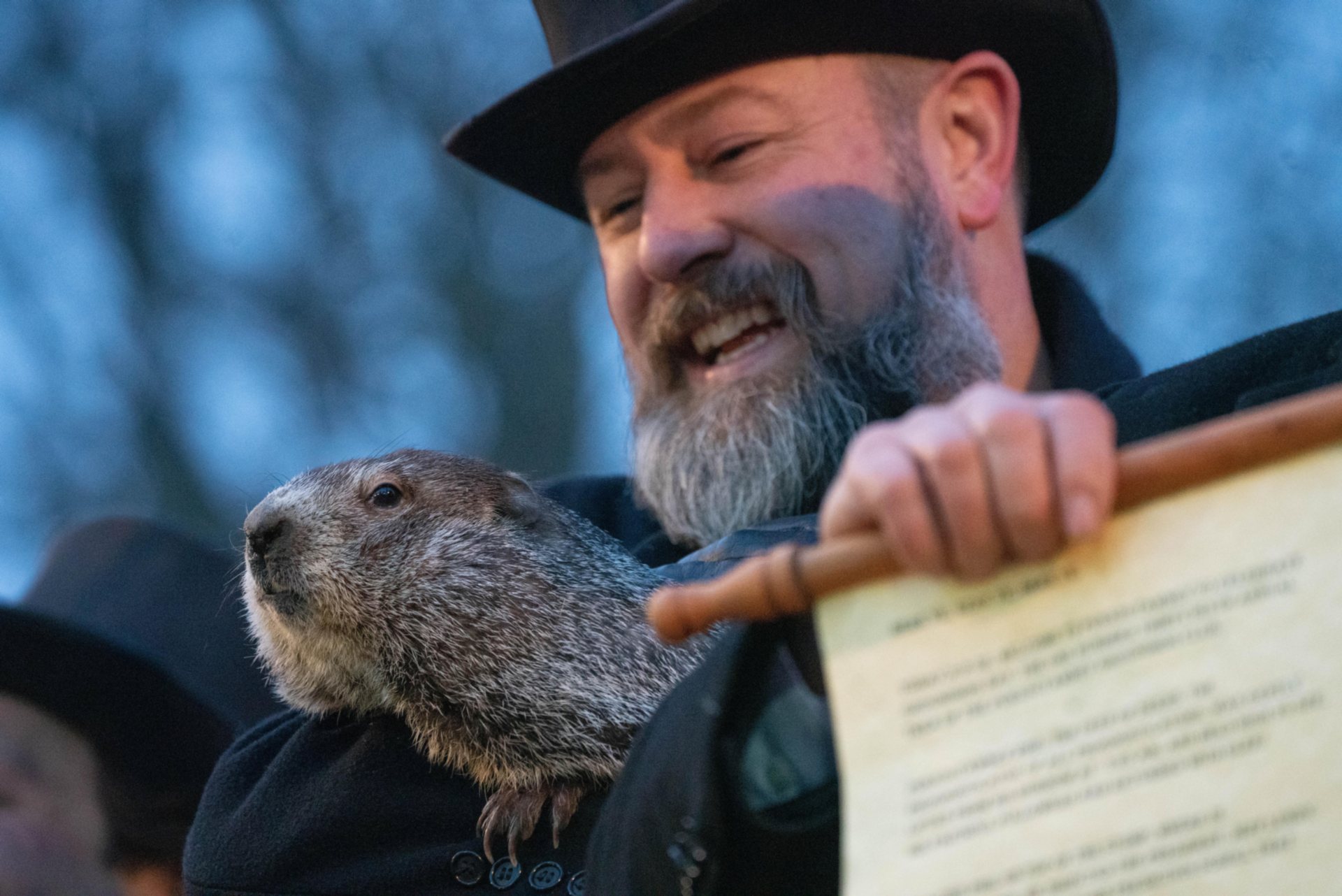
A groundhog isn’t a meteorologist, yet millions of people still watch one animal’s shadow like it’s a forecast.
Get The Latest News!
Don't miss our top stories and need-to-know news everyday in your inbox.
That odd habit points to something bigger: long before weather apps and satellite maps, people built “prediction tools” from what they could observe—clouds, wind, animal behavior, and the calendar of farm work. Some of those sayings were clever pattern-spotting. Others were more like memory aids or community rituals. Either way, weather folklore became a way to guess when spring would arrive, and to feel a little less at the mercy of nature.
Why people leaned on folklore for spring clues
Spring mattered for practical reasons. Plant too early and a late freeze could wipe out seedlings. Wait too long and crops might not mature before heat or drought. For families who depended on gardens, livestock, or local markets, timing was not a hobby. It was survival.
But long-range forecasting was impossible. So people used what they had: repeated observations passed down as short, catchy lines. A good saying did two jobs at once. It taught a pattern (“watch for this sign”) and it was easy to remember.
Folklore also created shared expectations. If neighbors agreed that a certain wind meant a change was coming, people could plan together—repair fences, prepare seed, or move animals—without needing official data.
The big idea behind spring folklore: patterns and signals
Most spring-related folklore rests on a simple belief: nature gives hints before it shifts. Those hints often fall into three categories:
- Sky signals: clouds, halos, and color at sunrise or sunset
- Wind and temperature patterns: which direction the wind comes from, how quickly nights cool
- Living indicators: birds, insects, frogs, and plants responding to light and warmth
Modern science would call many of these “proxies.” They’re not causing spring, but they can line up with the conditions that lead to spring-like weather.
Still, it’s important to be honest: some sayings work only in certain regions, and some are wrong often enough to be more tradition than tool.
Animal signs: from groundhogs to geese
The most famous spring forecast in North America is Groundhog Day. If the groundhog sees its shadow, folklore says there will be six more weeks of winter. No shadow means an early spring.
The roots are older than the groundhog. European settlers brought “Candlemas” traditions that used animals—often hedgehogs or badgers—as seasonal markers. In Pennsylvania, the groundhog became the local stand-in.
Does it work? Not reliably. But it survives because it’s memorable, it’s fun, and it lands at a moment when people are eager for any hint of change.
Other animal folklore is less theatrical and more observational:
“When geese fly high, fair weather; when geese fly low, foul weather.”
This isn’t really about spring, but it affects how people interpret seasonal transitions. Birds may fly lower when air pressure changes, which can signal storms.Early frogs and insects
Many people treat the first peepers or the first big wave of insects as “proof” spring has arrived. That can be true locally, because amphibians and insects respond quickly to temperature. But it can also be a false start if a cold snap returns.
Modern takeaway: If you notice animal activity suddenly increasing, treat it as a sign that your local microclimate has warmed, not a guarantee that freezing nights are over.
Plant clues: buds, blossoms, and “green-up”
Plants are some of the most dependable folklore “forecasters,” even when people don’t call it forecasting. Trees and flowers respond to a mix of daylight and accumulated warmth.
That’s why sayings often focus on what’s blooming:
When certain flowers bloom, it’s time to plant.
Different regions have their own versions. The idea is simple: if a plant that is sensitive to cold is thriving, the risk of hard frost is dropping.Oak vs. ash sayings
In parts of Britain, people say something like:
“Ash before oak, we’re in for a soak; oak before ash, we’re in for a splash.”
It tries to connect which tree leafs out first with whether the season will be wet or dry. It’s catchy, but not consistently accurate. Trees respond to local soil moisture and temperature, so results vary.
Even when the rhyme is shaky, the habit is useful: it trains you to watch the landscape’s timing, which is often more relevant than a single number on a forecast.
Modern takeaway: Track “firsts” in your yard—first buds, first blossoms, first lawn growth. Over a few years, you’ll build your own local calendar that can be more practical than generalized planting advice.
Sky and cloud sayings: “Mares’ tails” and red skies
A lot of weather folklore is really about reading the sky. Some of it holds up surprisingly well.
“Red sky at night, sailor’s delight. Red sky in morning, sailor’s warning.”
This one has a real basis. In many mid-latitude regions, weather often moves west to east. A red sunset can mean clearer air to the west, suggesting fair weather ahead. A red sunrise can mean clear air to the east but moisture and clouds approaching from the west.“Mares’ tails and mackerel scales make tall ships take in their sails.”
“Mares’ tails” are wispy cirrus clouds. “Mackerel scales” refers to rippled cloud patterns. Both can appear ahead of a front, hinting that wind and precipitation may be on the way—useful when you’re watching for the storms that often come with seasonal shifts.
These sayings don’t “predict spring” directly, but they helped people judge whether a warm spell would last, or whether a cold, wet system was about to sweep in and reset everything.
Modern takeaway: If you see high, thin streaky clouds increasing over several hours, treat it as a heads-up that conditions may change soon—handy for planning outdoor work in that early planting window.
Calendar markers: saints’ days, cross-quarter days, and “borrowed days”
Some spring folklore is tied to specific dates. That doesn’t mean people believed the date caused weather. It was more like a shared checkpoint.
Candlemas (early February)
Traditions around Candlemas fed into shadow-based predictions. The idea: a bright, clear day suggests cold air and lingering winter patterns.“March comes in like a lion, goes out like a lamb.”
People often repeat this as if it’s a rule. It’s more of a story-shaped hope: that rough weather will mellow. Sometimes it happens. Sometimes it doesn’t.“Borrowed days”
In parts of Europe, there are tales about March “borrowing” days from April to bring back harsh weather. It’s folklore’s way of warning against trusting the first warm stretch.
These calendar sayings were especially useful for farmers because they created caution. They reminded people not to gamble everything on one pleasant week.
Modern takeaway: Use date-based sayings as a prompt to check risk, not as a forecast. If you’re tempted to plant early, look up your area’s average last frost date and compare it to what you’re seeing outside.
Common misunderstandings about spring folklore
A lot of people treat folklore as either “ancient wisdom” or “nonsense.” The truth is more mixed.
- It’s local. A saying that fits coastal weather may fail inland. Mountains, lakes, and cities can change patterns fast.
- It’s about probability, not certainty. Folklore works best as “often, not always.”
- It’s partly social. Traditions like Groundhog Day persist because they bring people together, not because they beat modern models.
If you treat folklore as a set of clues—like reading body language in a conversation—it becomes more useful and less frustrating.
How to spot spring-forecast folklore in your own life
You don’t need a barn or a boat to use these ideas. You just need to pay attention in a structured way.
Start a simple “signs of spring” list.
Write down the date you notice buds, the first robins, the first lawn mowing, or the first thunderstorm.Compare signs to actual outcomes.
Did a warm spell lead to lasting warmth, or did it crash into a freeze? After a couple of years, patterns show up.Use folklore as a planning tool.
If you notice early blossoms, you might harden off seedlings more carefully. If you see cirrus clouds thickening, you might delay painting a fence or spreading mulch.Pair old sayings with modern data.
A rhyme can prompt you to check a forecast, not replace it. That combination—observation plus tools—is powerful.
Weather folklore predicted spring the way a good neighbor “predicts” a busy day: by noticing small signals and remembering what usually follows. Some signs were surprisingly sharp. Others were comforting stories that helped people wait out uncertainty. Either way, the habit behind the sayings still works—look closely, track what you see, and let the living world around you teach you what “spring is coming” means in your own backyard.
More like this:

- Most Popular



- Top Stories


- Most Recent


- Sign In
- Home
- Video
- News
-
Weather
 Sponsored by Michael Ryan Exteriors - Roofing Professionals
 - Sports
- Obits
- Events
- Radio
- AP News
- Shop Local
- Classifieds
- Autos
- Real Estate
- Directory
Follow Us
Copyright © 2026 RiverBender.com All rights reserved.
primary