


100 Years Ago: Flu Epidemic Hits Alton Catholic Orphanage
Deaths stayed relatively low, but memories of 1918 kept anxiety high.

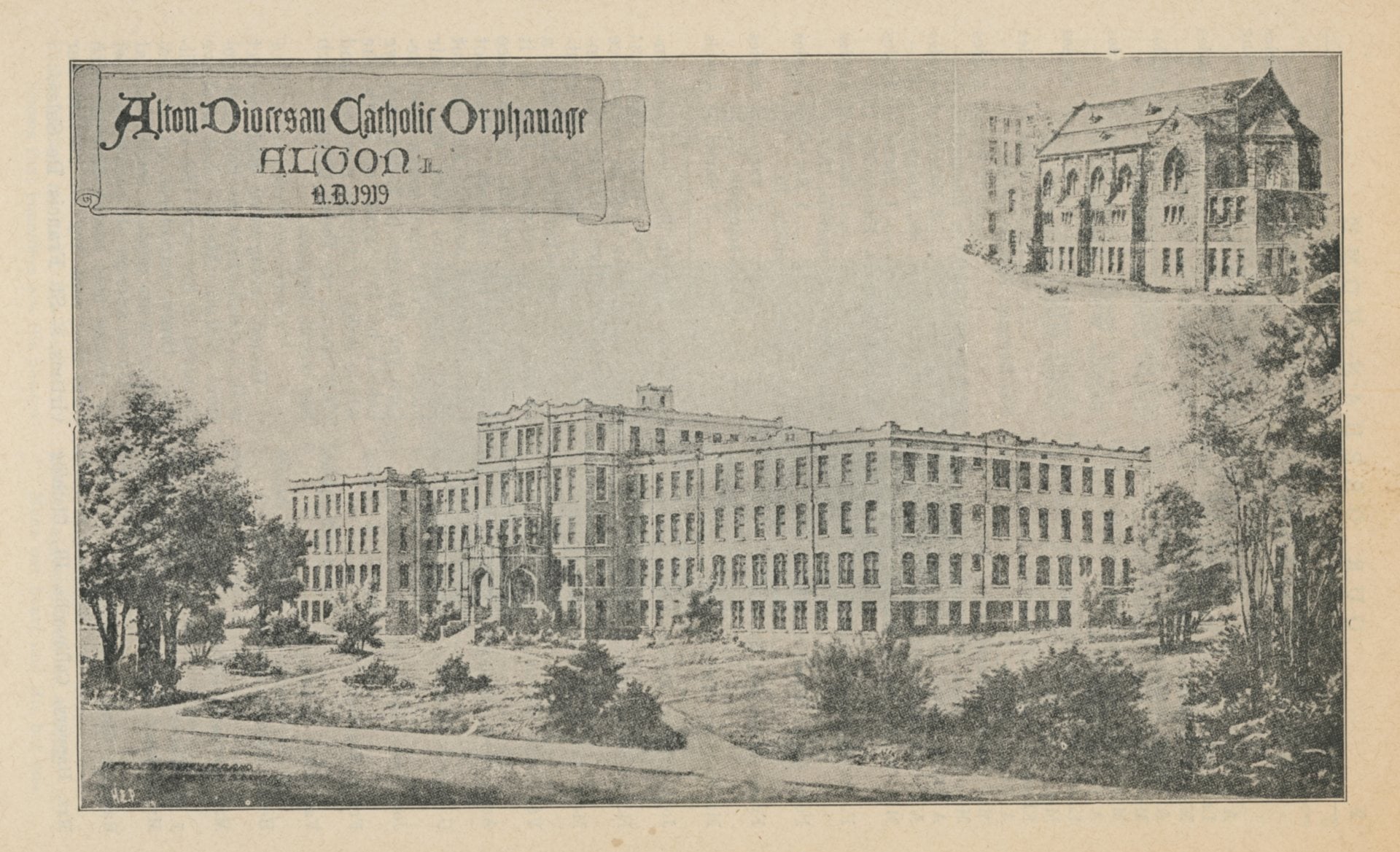
“How would you like to have a family with 68 sick children in it?” the Alton Evening Telegraph asked in an article about the flu epidemic on March 17, 1926. The Catholic orphanage in Alton housed 300 children, and sixty-eight of them were ill. Dr. G. Taphorn was taking care of the children and said they recovered in three or four days “with no bad consequences,” but were very sick while they had the flu. The flu epidemic was not just confined to the orphanage, though. “Doctors in Alton say that they have not been so busy in years as they are today. The flu seems to be getting in its work worse than it has done since the epidemic in wartime.” This wartime epidemic they refer to is the 1918 Influenza Pandemic, often misleadingly called the Spanish Flu.
Get The Latest News!
Don't miss our top stories and need-to-know news everyday in your inbox.
In addition to the flu, Alton doctors were fighting scarlet fever and measles outbreaks. Dr. Mather Pfeiffenberger warned that pneumonia caused by the flu was also a serious concern. The records at the office of B.R. Kennedy, local registrar for the State Health Department, show that for the first sixteen days of March, there were four deaths from pneumonia, one from scarlet fever, and one from the flu.
The Alton public schools were grappling with the epidemics as well. Six high school teachers and thirteen grade school teachers were ill at home, and 191 students were absent from Horace Mann School alone. Mrs. Daisy Creswick Rice, supervising nurse, was especially concerned with scarlet fever, which she called “one of the ‘most treacherous and serious’ of communicable diseases.” One issue with scarlet fever is that symptoms can be mild, and many times, parents did not realize that their children had contracted the illness at first and sent them to school. There were twenty-four scarlet fever quarantines in Alton at the time, but Mrs. Rice feared that “the worst is yet to come because of the many exposures.”
Twenty percent of the post office employees were out sick, and they had to hire temporary help. Attendance was down at churches, Sunday schools, theaters, etc., and event organizers cancelled gatherings all around town as the flu spread through the area.
The positive side of this flu epidemic was that while it seemed to have knocked people out, for most, it was not deadly. A March 15, 1926 article in the Alton Evening Telegraph stated that “the sickness has not caused undertakers to have any unusual amount of business, and it is assumed that prompt care is given to the victims because when they are taken ill, they are prostrated and are obliged to submit to care.” But the 1918 Influenza Pandemic was still very fresh in everyone’s memory, so there was an undercurrent of worry that things would get worse.
Sources
“Flu Epidemic Here Spreads; Orphanage Hit.” Alton Evening Telegraph (Alton, IL), March 17, 1926.
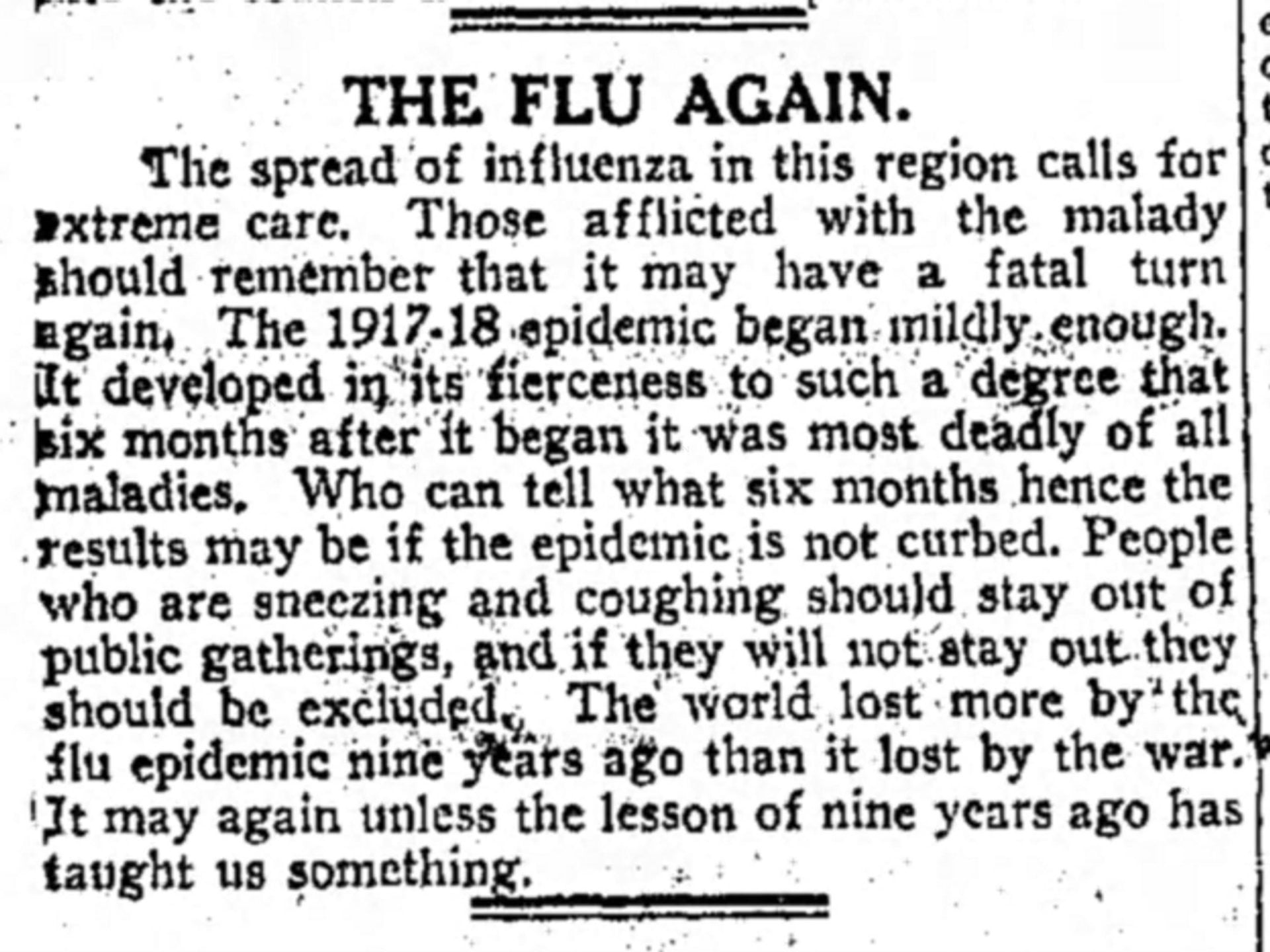
“The Flu Again.” Alton Evening Telegraph (Alton, IL), March 20, 1926.
“Measles Cases on Decreases – Grip and Flu Prevalent.” Alton Evening Telegraph (Alton, IL), March 25, 1926.
“Sickness Has Strong Grip on Alton People.” Alton Evening Telegraph (Alton, IL), March 15, 1926.
More like this:

- Most Popular



- Top Stories



- Most Recent



- Sign In
- Home
- Video
- News
-
Weather
 Sponsored by Michael Ryan Exteriors - Roofing Professionals
 - Sports
- Obits
- Events
- Radio
- AP News
- Shop Local
- Classifieds
- Autos
- Real Estate
- Directory
Follow Us
Copyright © 2026 RiverBender.com All rights reserved.
primary