


March 20 in History: Iraq War, Einstein’s Breakthrough and Other Turning Points
The date has marked major moments from the 2003 invasion of Iraq and Einstein’s general relativity paper to Tunisia’s independence and the Tokyo subway sarin attack.
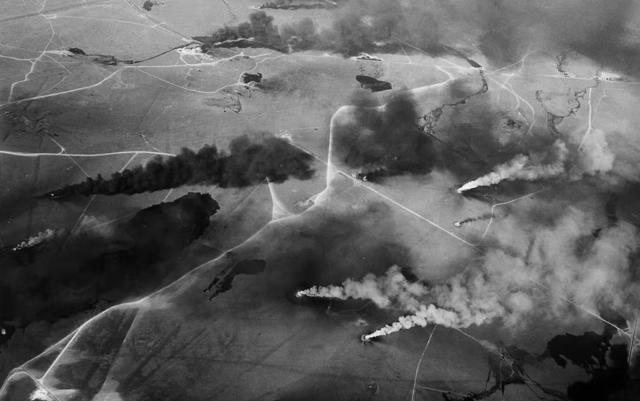
The most significant global event linked to March 20 is the 2003 start of the Iraq War, when a U.S.-led coalition launched a military invasion of Iraq. The immediate goal was to remove Saddam Hussein’s government and address claims about weapons programs and regional security. At the time, the invasion reshaped alliances, triggered major debates about international law and the use of force, and set off rapid changes inside Iraq. Its effects still matter today because it influenced the balance of power in the Middle East, contributed to long-running instability and displacement, and left lessons—contested and widely discussed—about intelligence, postwar planning, and the human costs of war.
Get The Latest News!
Don't miss our top stories and need-to-know news everyday in your inbox.
From there, March 20 has repeatedly marked turning points of a very different kind: the creation of new political systems, the opening of new frontiers in science, and cultural moments that traveled far beyond their starting point. Seen together, the day’s record shows how quickly history can shift—from battle plans and treaties to discoveries and artistic breakthroughs—often in ways that only become clear years later.
In 1602, the Dutch States General granted a charter to the Dutch East India Company (VOC), creating one of the world’s first major multinational trading companies with the power to wage war, negotiate treaties, and govern overseas territories. The VOC helped drive the expansion of European maritime trade in Asia and became a model—both admired and criticized—for later corporate and colonial systems. Its operations connected markets across continents, moved goods and people on a vast scale, and left a complicated legacy that still shapes how historians discuss trade, empire, and corporate power.
In 1815, Napoleon Bonaparte returned to Paris from exile on the island of Elba, beginning the period known as the Hundred Days. His return briefly restored his rule and set Europe on a fast track toward renewed conflict, ending with his defeat at Waterloo. The episode mattered because it tested the political order European powers were trying to build after years of war. It also showed how quickly political legitimacy can shift when military loyalty, public sentiment, and elite negotiations collide.
March 20, 1852 brought a key literary milestone: Harriet Beecher Stowe’s novel Uncle Tom’s Cabin was published in book form. The story spread rapidly in the United States and abroad, shaping public conversation about slavery by putting human faces and family stories at the center of a national argument. The book did not create the conflict over slavery, but it influenced how many people understood it, and it became one of the best-known examples of how popular culture can affect political debate.
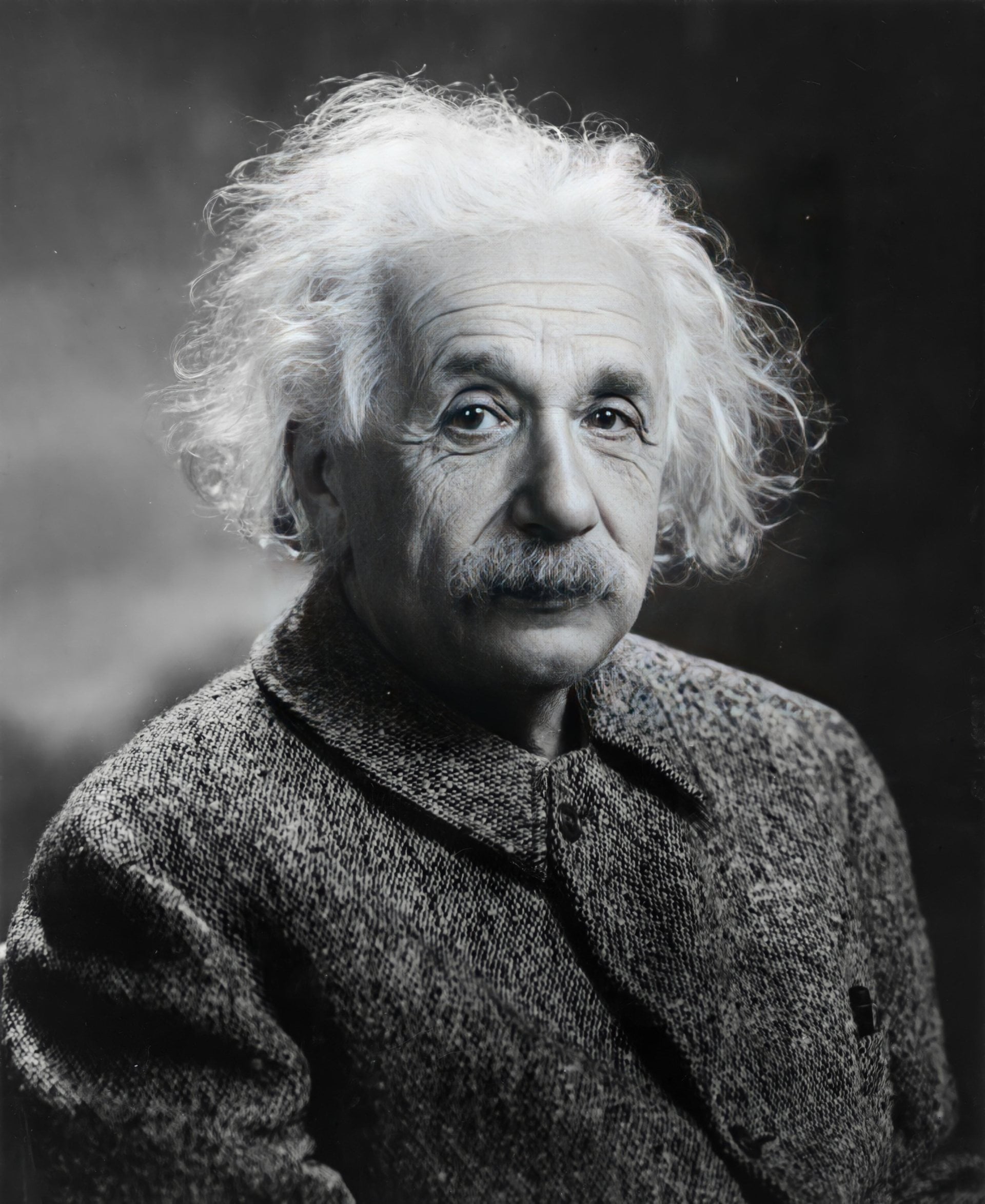
In 1916, Albert Einstein published a major paper laying out the foundations of general relativity. The work offered a new way to understand gravity, not as a force in the usual sense, but as the curvature of space and time. That idea later helped explain phenomena such as the bending of light near massive objects and the behavior of planets and stars. Today, general relativity is part of the toolkit behind modern astrophysics and technologies that require precise timing, including satellite navigation systems.
In 1933, the Dachau concentration camp was established in Germany. It became a model for a wider camp system that expanded under Nazi rule. Dachau’s early prisoners included political opponents, and over time the camp held many groups targeted by the regime. Remembering the camp matters because it helps document how state repression can become organized and normalized, and why legal protections and independent institutions are central to safeguarding basic rights.
A quieter but lasting scientific step arrived on March 20, 1948, when the United States launched the first successful sounding rocket, a V-2 rocket carrying scientific instruments. These early flights helped researchers study the upper atmosphere and laid groundwork for later space exploration. The technology had roots in wartime rocketry, but its scientific use showed how tools developed for conflict could be redirected toward research, with long-term benefits for meteorology, communications, and planetary science.
In 1956, Tunisia gained independence from France, part of a broader wave of decolonization after World War II. Independence brought new opportunities and difficult choices: building national institutions, defining citizenship, and balancing tradition with modernization. Tunisia’s experience reflected a global shift in which dozens of territories moved toward self-rule, changing the structure of international politics and the meaning of sovereignty in the modern era.
March 20, 1995 marked a major public safety crisis in Japan when members of the Aum Shinrikyo cult carried out a sarin gas attack on the Tokyo subway. The attack killed and injured commuters and shocked a country known for low rates of violent crime. It also forced a reevaluation of emergency response, chemical weapons preparedness, and how governments monitor dangerous groups while protecting civil liberties. The incident remains a reference point in discussions of terrorism and public health readiness.
In 2003, as the Iraq War began, its first days quickly made clear that the hardest questions would not end with the fall of a government. The invasion was followed by a long period of insurgency, sectarian violence, and political rebuilding efforts, alongside major humanitarian consequences. Internationally, it influenced relations among allies and rivals and shaped public trust in official claims. The war’s legacy is still felt in regional security dynamics and in how many countries debate intervention, reconstruction, and accountability.
More recently, March 20, 2012 saw the first official post on Pinterest, a small moment that pointed to a larger shift in how people share ideas and images online. Visual-first social platforms changed digital advertising, influenced shopping habits, and reshaped how creators build audiences. While one post did not cause those trends, it marked the early days of a platform that became part of everyday media life for millions.
Notable births on March 20 span art, science, and public life. In 1828, playwright Henrik Ibsen was born in Norway. His realistic dramas, including A Doll’s House, challenged stage conventions and helped push theater toward modern storytelling focused on ordinary lives and social pressures. His influence spread well beyond Scandinavia, shaping playwrights and directors around the world.
The day also includes the birth of Spike Lee in 1957. As an American filmmaker, he became known for movies that blended sharp dialogue, distinctive visual style, and stories about community life and social tensions. His work helped broaden the range of voices and experiences seen in mainstream cinema and influenced generations of directors.
Notable deaths on March 20 include several figures whose work left wide footprints. In 1413, England’s King Henry IV died after a reign marked by internal unrest and questions of legitimacy. His rule set the stage for the later Lancastrian period and the political struggles that would eventually contribute to the Wars of the Roses.
In 1990, Lev Yashin died in Moscow. Widely regarded as one of football’s greatest goalkeepers, Yashin was known for his athleticism and command of the penalty area at a time when the position was evolving. His reputation endures because he helped redefine what goalkeeping could be, and he remains a benchmark for excellence in the sport.
Taken together, the day’s milestones show how human choices—bold, flawed, creative, and sometimes destructive—keep weaving the larger story that later generations inherit and reinterpret.
More like this:



- Most Popular



- Top Stories



- Most Recent



- Sign In
- Home
- Video
- News
-
Weather
 Sponsored by Michael Ryan Exteriors - Roofing Professionals
 - Sports
- Obits
- Events
- Radio
- AP News
- Shop Local
- Classifieds
- Autos
- Real Estate
- Directory
Follow Us
Copyright © 2026 RiverBender.com All rights reserved.
primary