


Madison County Drug Court Marks 30 Years as Illinois’ First Program
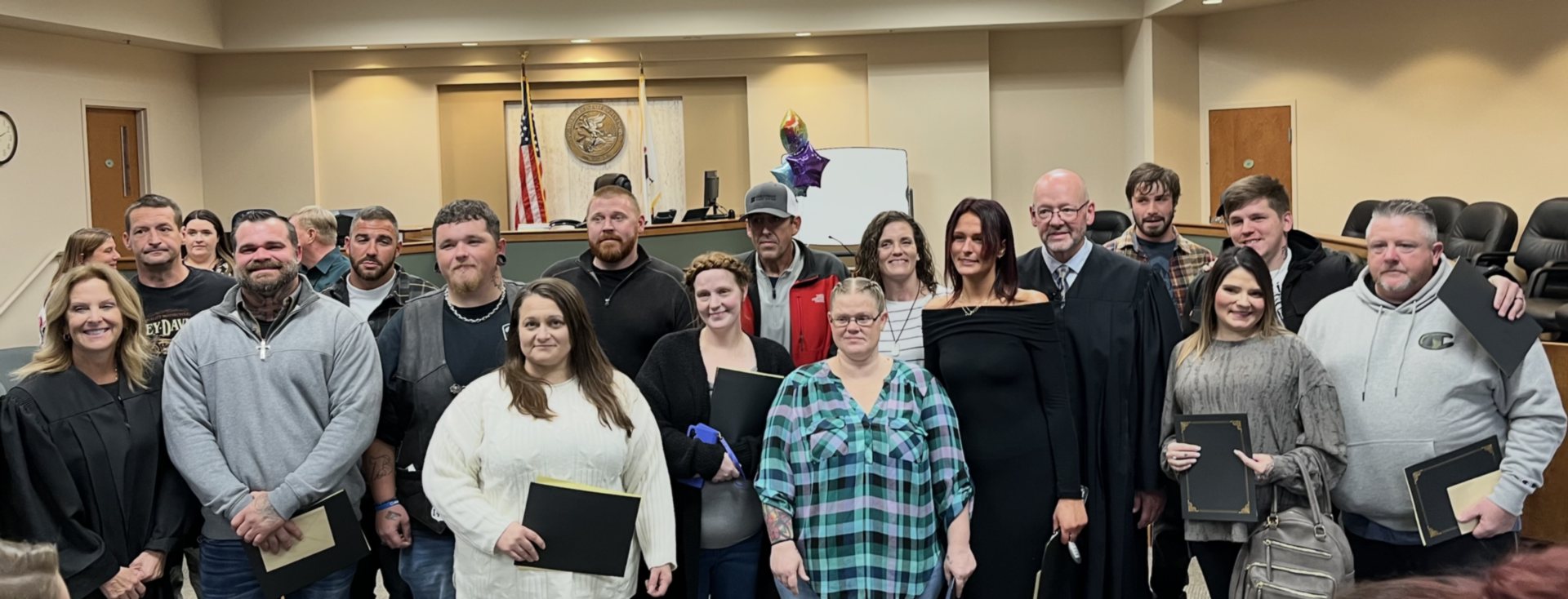
The anniversary celebration on April 2 will coincide with a graduation ceremony for 14 participants completing the county’s drug court program.
Get The Latest News!
Don't miss our top stories and need-to-know news everyday in your inbox.
MADISON COUNTY — On April 2, 2026, the Madison County Drug Court will celebrate a major milestone: its 30th anniversary. As the first drug court established in the State of Illinois, this anniversary marks three decades of innovation, perseverance, and life-changing outcomes. The celebration will coincide with a drug court graduation ceremony, where 14 participants will complete the rigorous program and take their next steps toward long-term recovery.
Founded in 1996, the Madison County Drug Court was built on a simple but powerful idea: accountability and compassion can work hand in hand. Chief Criminal Judge Kyle Napp credits Retired Judge Edward Ferguson for bringing that vision to life. “Judge Ferguson was the catalyst for the formation of the drug court. He was a visionary who understood that helping people suffering from addiction and protecting our communities are not mutually exclusive objectives,” Judge Napp said.
The drug court operates through a multidisciplinary team that includes a supervising judge, prosecutors, public defenders, probation officers, and treatment professionals from Chestnut Health Systems. Eligible participants—those charged with non-violent offenses—commit to an intensive, highly structured program. Participants attend substance abuse treatment four days a week, appear in court weekly, meet regularly with a probation officer, comply with a curfew, and complete educational and employment requirements. Those without a high school diploma must earn a GED, and all participants complete a community service project, secure employment or enroll in college or vocational training, and progress through five phases before graduating.
“It is an incredibly difficult process, but the graduates will tell you that drug court saved their lives,” said Judge Neil Schroeder, the presiding judge of the drug court.
The success of the Madison County Drug Court has paved the way for additional problem-solving courts within the Third Judicial Circuit, including the Veterans Court and the Mental Health Court. Kevin McKee, Director of Probation, believes these programs are essential tools for meaningful rehabilitation. “Problem-solving courts allow us to assist individuals by directly addressing the issues that led to their criminal behavior, hopefully leading them to become productive members of our community,” McKee said.
These programs also provide significant cost savings for taxpayers. Deputy Chief Probation Officer Mike Wilkinson highlighted the financial impact: “Problem-solving courts strengthen our communities, save lives, and save taxpayers money. It costs approximately $52,810 to house an inmate in the Illinois Department of Corrections, whereas it costs approximately $5,000 per person to fund a participant in the drug court.”
As Madison County marks 30 years of leadership in restorative justice, the Drug Court continues to demonstrate that accountability, treatment, and community support can change the trajectory of lives and strengthen the community as a whole.
More like this:


- Most Popular


- Top Stories


- Most Recent
- Sign In
- Home
- Video
- News
-
Weather
 Sponsored by Michael Ryan Exteriors - Roofing Professionals
 - Sports
- Obits
- Events
- Radio
- AP News
- Shop Local
- Classifieds
- Autos
- Real Estate
- Directory
Follow Us
Copyright © 2026 RiverBender.com All rights reserved.
primary