


Legacy of Norris Dorsey Honored Through Field Naming
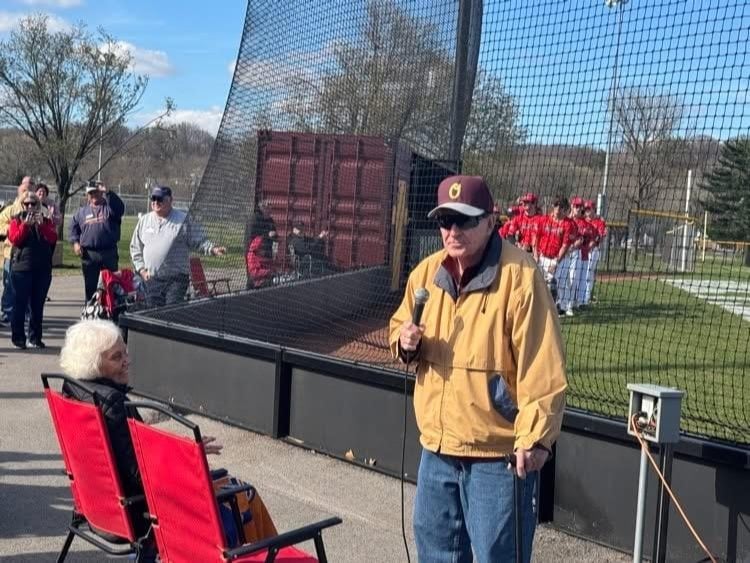
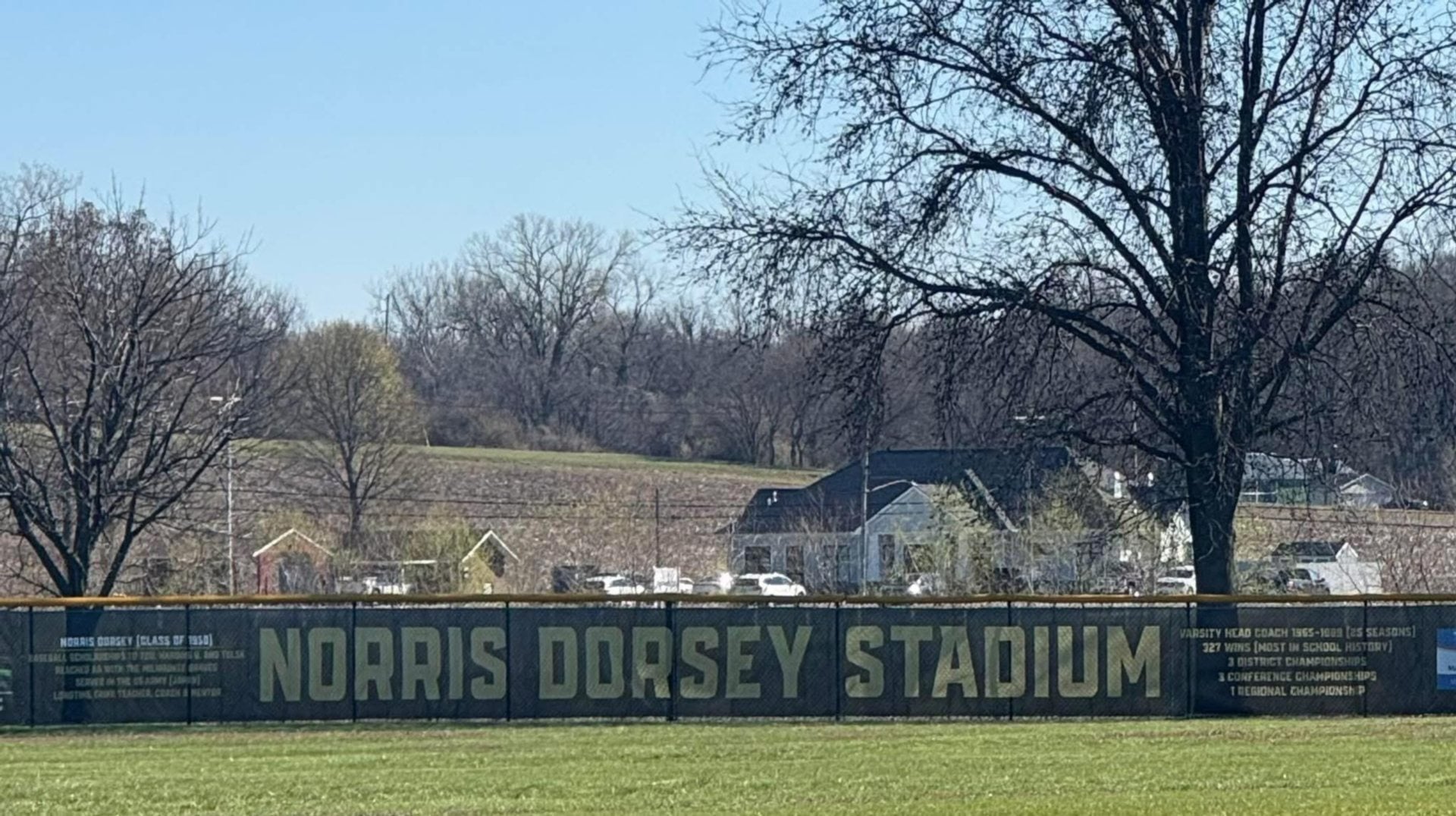
The field where the Oilers play was officially named in honor of Coach Norris Dorsey before the East Alton Wood River vs Bunker Hill game on Friday.

Get The Latest News!
Don't miss our top stories and need-to-know news everyday in your inbox.
WOOD RIVER — On Friday before the East Alton Wood River vs Bunker Hill game the field at 6th Street Park where the Oilers played was named the Norris Dorsey Field.
Norris Dorsey’s legacy is etched not only in wins and losses, but in the generations of student-athletes he guided, mentored, and inspired throughout a lifetime dedicated to sports, service, and education.
Dorsey served as head coach of the Oilers baseball program from 1964 to 1989, building a tradition defined by discipline, toughness, and pride. Over 25 seasons, he compiled a career record of 327 wins, 295 losses, and 3 ties, leaving a lasting mark on the program and the community.
The playing surface in Wood River was formerly named Dwiggins Field.
Long before he became a fixture in the dugout, Dorsey stood out as a player. A talented high school athlete, he spent time with the St. Louis Browns organization and went on to earn a baseball scholarship to Hannibal Junior College. His promising career was interrupted when he answered the call to serve his country during the Korean War.
After returning from military service, Dorsey continued his education and baseball career at the University of Tulsa. As the ace of the pitching staff, he earned notable victories over top programs including Oklahoma, Oklahoma State, and Houston. His performance drew the attention of professional scouts, leading to an opportunity with the Milwaukee Braves organization, where he played minor league baseball.
Dorsey eventually brought his experience and leadership back home, where he became a cornerstone of the school’s athletic department. In addition to his role as head baseball coach, he served as head boys basketball coach during the 1967–1968 season, worked as an assistant football coach, and spent years as a Physical Education and Health teacher.
Those who knew Dorsey remember him not just for his knowledge of the game, but for the life lessons he instilled in his players emphasizing accountability, perseverance, and character both on and off the field.
His influence extended far beyond the scoreboard, shaping the lives of countless students who carried his lessons into adulthood.
Dorsey’s journey—from student-athlete to serviceman, from professional ballplayer to respected coach and educator reflects a life rooted in commitment and purpose.
Today, his legacy lives on through the players he coached, the students he taught, and the family he raised. Those closest to him say the strong foundation he built continues to bring his family together, serving as a lasting testament to the values he lived every day.
For a community that watched him lead for decades, Norris Dorsey will be remembered as more than a coach he was a mentor, a teacher, and a lasting influence on generations of Oilers.
More like this:

- Most Popular


- Top Stories


- Most Recent

- Sign In
- Home
- Video
- News
-
Weather
 Sponsored by Michael Ryan Exteriors - Roofing Professionals
 - Sports
- Obits
- Events
- Radio
- AP News
- Shop Local
- Classifieds
- Autos
- Real Estate
- Directory
Follow Us
Copyright © 2026 RiverBender.com All rights reserved.
primary