


Spring Clean Your Health
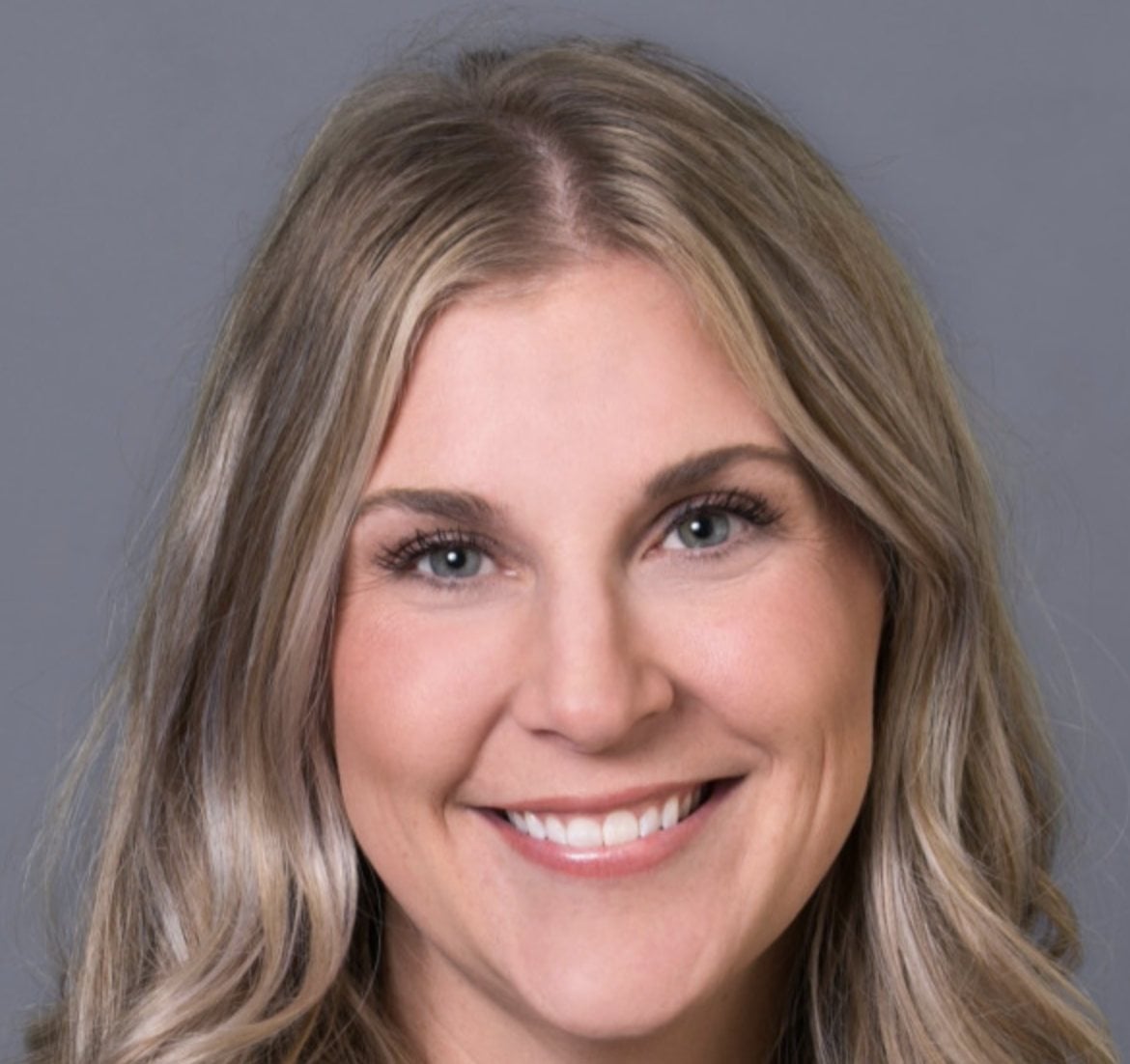
Bethany Huelskoetter, APRN with OSF, stresses importance of examinations.

Key takeaways:
- Some people put off health screenings and appointments in the winter. Spring is the perfect time to do a reset and see what you need.
- Everyone should get a yearly physical. Talk to your primary care provider about what other screenings and vaccines you need.
- Spring can also be a time to recommit to health habits at home, like diet, exercise and quitting unhealthy behaviors.
Winter means cold, snowy conditions and a desire to stay in. It’s fine to be cozy, but there might be an unintended consequence: you put off or cancel doctor’s appointments.
Get The Latest News!
Don't miss our top stories and need-to-know news everyday in your inbox.
Now that spring and warmer temperatures have arrived, it’s the perfect time to take stock of your health. What screenings have I missed? What habits can I start at home?
“Whenever we have lags where people are canceling or not following up on visits, we start seeing increased cancers or other things we’re finding. Screenings were delayed. Things were not caught early enough,” says Bethany Huelskoetter, APRN, a family medicine provider at OSF HealthCare. “Let’s say a colonoscopy was canceled because it was too cold outside. It falls through the cracks. Two years pass by, and you realize you never got that colonoscopy. You finally get it, and there’s a tumor.”
A screening cheat sheet
Huelskoetter outlines some screenings to talk with your primary care provider about, noting that things could look different for you based on your health and family history. Screening Average risk age Frequency Lung cancer 50 years Every year Lipid screening 19 years Every 5 years Blood pressure 18 years Every 3-5 years from age 18-39, every year age 40 and up Diabetes/Prediabetes 35 years Every three years Osteoporosis Women: 65 years // Men: 70 years Not routinely repeated if normal Colorectal cancer 45 years Every 10 years Breast cancer (women) 40 years Every year Cervical cancer 21-25 years Every 3-5 years Prostate cancer 50 years Every 2-4 years Abdominal aortic aneurysm Men 65-75 who have ever smoked One-time ultrasound
On a low-dose CT scan for lung cancer: “It can catch lung cancer early. Lung cancer doesn’t have defined symptoms like colon or breast cancer,” Huelskoetter says. “A lot of times, you catch those nodules early and monitor them yearly or every six months based on what the radiologist finds. Then we can get you scheduled for routine low-dose CTs.”
She adds that this exam is geared toward smokers, but you can always bring it up with your provider.
 What about kids?
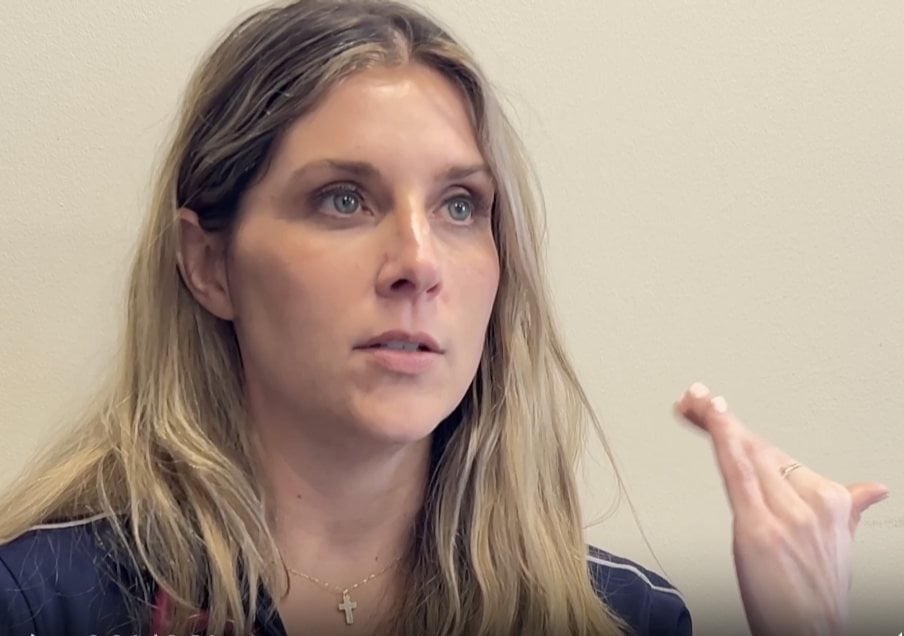
Huelskoetter says children should see a provider at least once a year for a physical exam and to get caught up on vaccines, if needed.
“Make sure the provider records their height and weight. The provider will do an eye exam, an ear exam and things like that,” Huelskoetter outlines. “We want to make sure we’re not missing anything. A lot of times, eye problems in children can be caught in school. But maybe the child isn’t school age yet. We can get them in, do an exam and maybe catch something early.”
At home
Health care doesn’t end when you leave the clinic. Warm temperatures during spring can bring a renewed sense of optimism about changing daily habits.
“One thing I always tell my patients: move your body,” Huelskoetter implores. “I’m not saying you need to go to the gym and do pushups, sit ups and deadlifts every day. Just move your body. Start at a pace that’s good for you. If you have a sedentary job or lifestyle, get a step counter or smartwatch to track your steps and see where you’re at.”
For example, Huelskoetter says if you’re at 2,000 steps a day, set a goal of 10,000. But start small. For the first month, aim for 3,000 steps a day. Then increase it to 4,000, and so on. You can accomplish this, she says, through 30 minutes of exercise for five days a week.
“This can lead to drastic improvements in your cardiovascular health, your mental health and your overall physical well-being,” Huelskoetter says. “Your joints won’t be as stiff because they’re used to movement.”
Exercise should be paired with healthy food choices, such as cutting back on processed food.
Spring might also be the time you say, “I’m finally going to quit that unhealthy habit,” like smoking.
Huelskoetter’s response? “Now’s the time. Let’s do it,” she says.
“Again, let’s start small. Get an appointment with your provider, and talk about options,” Huelskoetter suggests. “If you don’t feel you can quit cold turkey, which is extremely hard, there are options like Wellbutrin, Chantix or nicotine patches and lozenges. Sometimes we’ll even do cognitive behavioral therapy.”
More like this:



- Most Popular



- Top Stories



- Most Recent



- Sign In
- Home
- Video
- News
-
Weather
 Sponsored by Michael Ryan Exteriors - Roofing Professionals
 - Sports
- Obits
- Events
- Radio
- AP News
- Shop Local
- Classifieds
- Autos
- Real Estate
- Directory
Follow Us
Copyright © 2026 RiverBender.com All rights reserved.
primary