


Rwandan Genocide Triggered by April 6 Plane Crash Remains Central to This Day in History
The date is marked by the plane crash that preceded the Rwandan genocide, alongside major milestones in war, politics, science, and culture.
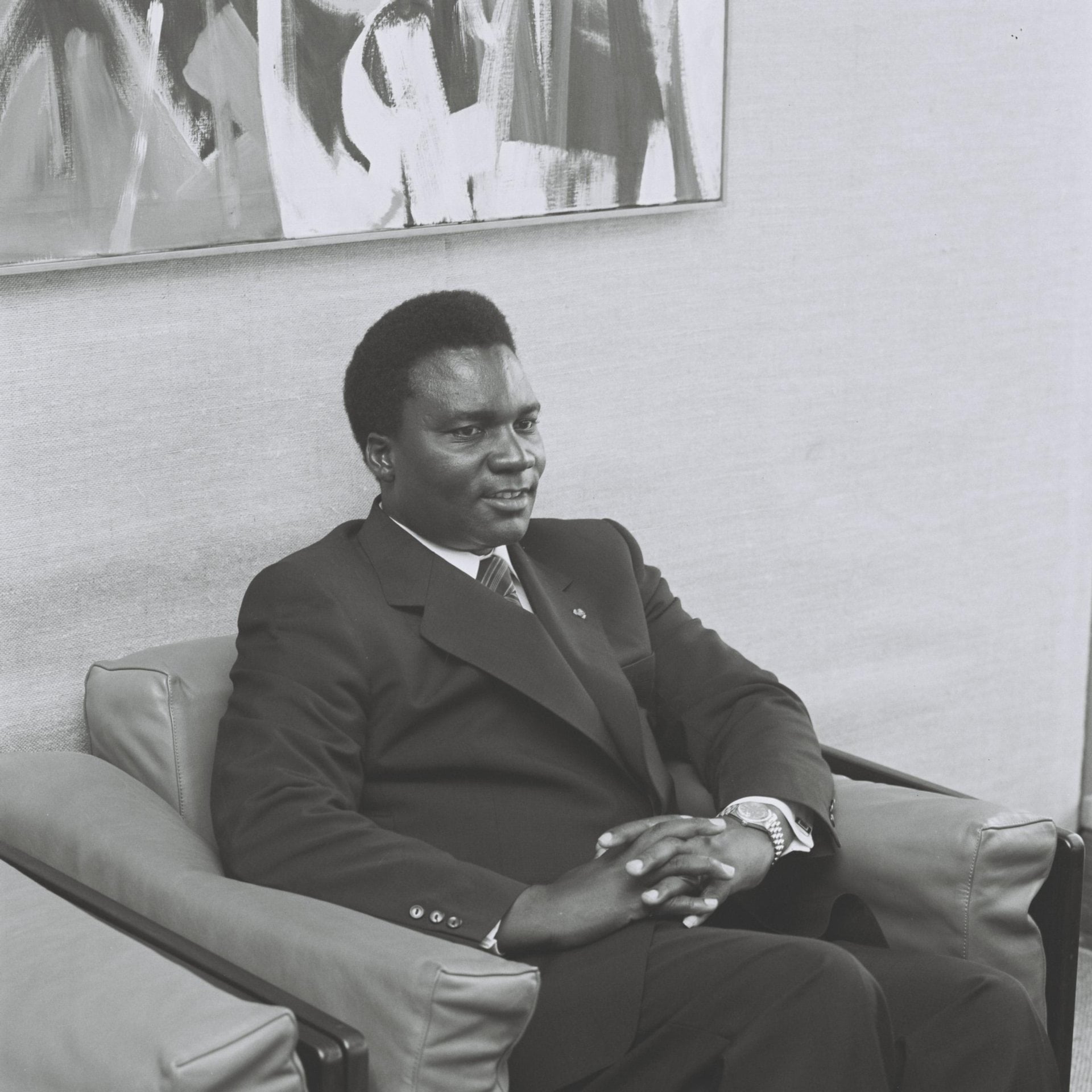
On April 6, 1994, a plane carrying Rwandan President Juvénal Habyarimana and Burundian President Cyprien Ntaryamira was shot down as it approached Kigali, Rwanda. Within hours, coordinated killings began, and in the weeks that followed, the Rwandan genocide took the lives of an estimated 800,000 people, mostly Tutsi, along with many Hutu who opposed the violence. The crash mattered immediately because it shattered a fragile political balance and was used as a trigger for mass murder. It still matters today because it remains one of the clearest examples of how quickly organized hatred can turn into catastrophe when institutions fail, propaganda spreads, and outside actors hesitate to respond.
Get The Latest News!
Don't miss our top stories and need-to-know news everyday in your inbox.
The roots of the crisis reached back decades. Rwanda had long been shaped by colonial-era policies and later political struggles that hardened ethnic categories into tools of power. By the early 1990s, a civil war and a tense peace process had left the country divided, with militias armed and extremist media encouraging fear. When the aircraft went down on this date, the event became the spark that set off plans that had already been prepared. In the months and years afterward, Rwanda’s recovery and the international debate over responsibility, peacekeeping, and justice helped shape how the world talks about preventing mass atrocities, supporting survivors, and prosecuting crimes against humanity.
Long before 1994, April 6 had already marked turning points in other parts of the world. In 1320, the Declaration of Arbroath was sealed in Scotland, a letter sent to Pope John XXII asserting Scotland’s independence and the legitimacy of Robert the Bruce as king. The document did not end the conflict with England on its own, but it helped frame political authority as something tied to a community’s consent and survival. Centuries later, it would be remembered as an early statement of national self-determination, even though it came from a medieval elite rather than modern democratic politics.
In 1652, Dutch settlers led by Jan van Riebeeck established a refreshment station at the Cape of Good Hope, the beginning of what became Cape Town in present-day South Africa. At the time, it was meant to supply ships traveling between Europe and Asia, but it grew into a colony with lasting consequences. The settlement expanded through land seizure, forced labor systems, and conflict with Indigenous communities, shaping patterns of inequality that would influence South African history for generations.
April 6 also carries weight in the story of the Americas. In 1712, a large revolt by enslaved Africans took place in New York City, one of the most significant uprisings in the colony’s early history. The revolt was met with harsh reprisals and led to stricter laws controlling enslaved and free Black people. It is remembered not only for the violence of the response, but also because it shows how resistance to slavery existed wherever slavery existed, even in places that later liked to tell a different story about their past.
A different kind of political transformation began on April 6, 1896, when the first modern Olympic Games opened in Athens. The revival of the Olympics was tied to late-19th-century ideas about internationalism, physical education, and national prestige. While the early Games were smaller and far less inclusive than today’s, they created a recurring global event that would grow into a major stage for athletic achievement, diplomacy, and cultural exchange.
In 1909, American explorer Robert Peary reported reaching the North Pole. His claim was celebrated widely at the time and helped fuel public interest in polar exploration. Later, historians and navigators debated whether his party reached the exact geographic pole, since the documentation left room for doubt. Even with those disputes, the episode reflects a period when exploration was closely linked to national pride, scientific curiosity, and the limits of human endurance.
War and occupation shaped April 6 in the mid-20th century. In 1941, Germany invaded Yugoslavia and Greece during World War II, widening the conflict in the Balkans and eastern Mediterranean. The invasions led to occupation, resistance movements, and severe civilian suffering, including reprisals and mass killings. The campaigns also affected the broader war by drawing in resources and influencing later military decisions in the region.
Another major shift arrived on April 6, 1974, when a group of Portuguese military officers launched the coup that began the Carnation Revolution. The movement ended decades of authoritarian rule and opened the way to democratic reforms. It also accelerated decolonization in Africa, as Portugal moved toward ending wars in places such as Angola and Mozambique. The transition was complex and at times unstable, but it reshaped Portugal’s place in Europe and had lasting effects on former colonies navigating independence.
In the world of science and technology, April 6, 1992 marked the activation of the first SMS text message service, an early step toward the everyday mobile communication that would soon become normal around the world. Texting did not transform society overnight, yet it changed how people coordinate daily life, share news, and maintain relationships. It also became part of larger shifts in language, privacy, and the speed of communication.
Notable people born on April 6 span politics, literature, and film. In 1483, Raphael was born in Urbino, Italy. He became one of the defining painters of the High Renaissance, known for balanced compositions and clear, human warmth in works such as his Madonnas and Vatican frescoes. His influence spread through European art academies and helped set standards for painting and design for centuries.
In 1928, James Watson was born in the United States. He became one of the scientists associated with identifying the double-helix structure of DNA, a breakthrough that transformed biology and medicine. The discovery helped explain heredity at a molecular level and opened paths to modern genetics, even as later debates emphasized the contributions of other researchers and the importance of proper credit in science.
Several notable deaths on April 6 also mark turning points. In 1520, Raphael died at only 37, cutting short a career that had already helped define an era in European art. His death was widely mourned, and the demand for his style continued through students and imitators, shaping artistic taste long after his lifetime.
In 1992, science fiction writer Isaac Asimov died in New York City. He was known for influential works such as the Foundation series and for making science accessible through essays and textbooks. Asimov’s legacy rests on his ability to connect imagination with scientific thinking, encouraging generations of readers to see technology and ethics as intertwined questions.
April 6 brings together moments of creation and collapse.
More like this:




- Most Popular



- Top Stories


- Most Recent



- Sign In
- Home
- Video
- News
-
Weather
 Sponsored by Michael Ryan Exteriors - Roofing Professionals
 - Sports
- Obits
- Events
- Radio
- AP News
- Shop Local
- Classifieds
- Autos
- Real Estate
- Directory
Follow Us
Copyright © 2026 RiverBender.com All rights reserved.
primary