


What "April Showers Bring May Flowers" Really Means
The familiar proverb endures as a gentle reminder that temporary discomfort can sometimes be part of growth, patience and eventual reward.
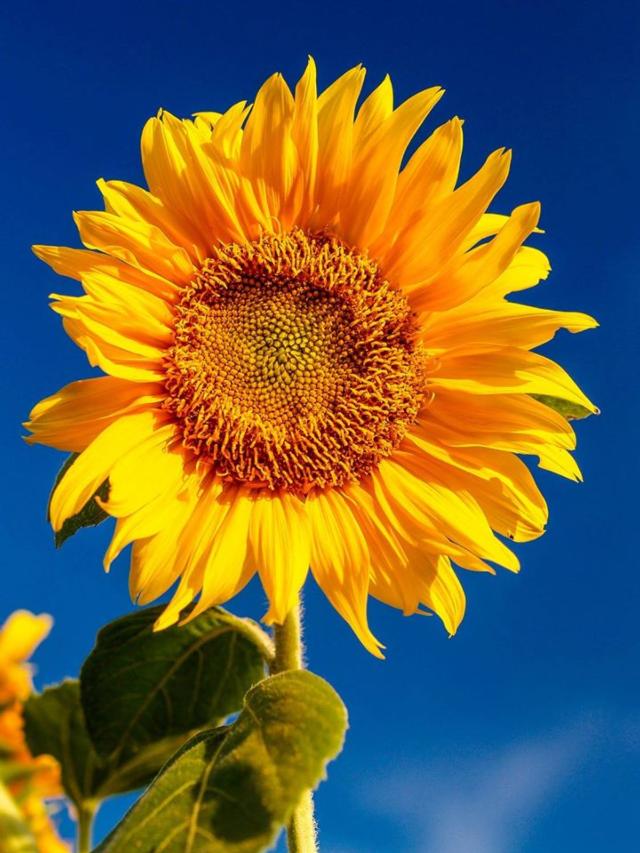
Some of the best things in life start out annoying.
Get The Latest News!
Don't miss our top stories and need-to-know news everyday in your inbox.
That’s the core idea behind the saying “April showers bring May flowers.” On the surface, it sounds like a simple comment about rain and blooms. But people keep repeating it because it works as a small piece of advice: discomfort can be part of the process, not a sign that something has gone wrong. The phrase offers a way to tolerate the “messy middle” of life—when progress feels slow, inconvenient, or unpredictable.
What the saying literally means
In its most literal form, “April showers bring May flowers” connects cause and effect. Rain in April helps plants grow, so flowers appear later. The point is not that rain is fun. It’s that rain is useful.
That’s why the phrase often shows up when someone is dealing with a rough patch. It suggests that the unpleasant part may be feeding something better that hasn’t appeared yet. You can’t always see the payoff while you’re in the middle of the “showers.”
The deeper meaning: patience, progress, and payoff
People usually use this saying as a gentle reminder to stay patient. It frames hardship as temporary and meaningful.
Here are the main ideas packed into the phrase:
- Short-term discomfort can lead to long-term benefits. Studying for a hard test, saving money, or going to physical therapy can feel like a drag. But those efforts often lead to results later.
- Growth often requires conditions we don’t enjoy. Many forms of improvement involve pressure, repetition, or waiting—things that rarely feel exciting.
- You don’t get to skip the process. The saying pushes back against the idea that good outcomes should arrive quickly or easily.
It’s not promising that everything will work out perfectly. It’s more modest than that. It says: “This might be part of what makes the good part possible.”
Where did it come from?
The exact wording most people know is fairly modern, but the idea is older.
A version of the thought appears in English writing as far back as the 1500s. One often-cited source is a poem by Thomas Tusser, published in 1557, which included a line close to: “Sweet April showers do spring May flowers.” Over time the wording shifted into the familiar proverb form.
Why did it stick? Because it’s easy to remember. It has rhythm. It uses simple images. And it captures something people notice again and again: the link between effort and reward, and between waiting and change.
Why this phrase shows up in everyday conversation
“April showers bring May flowers” is commonly used as a response to complaints or setbacks. It’s the kind of saying a parent might offer a child who is frustrated, or a friend might text when someone is having a rough week.
You might hear it in situations like:
- A student struggling in a tough class. The workload feels endless, but the skills gained may open doors later.
- Someone starting a new job. The first weeks can be confusing and stressful. The comfort and confidence often come later.
- A person trying to build healthier habits. Early workouts can feel miserable. Results come slowly, if they come at all. But consistency can change how someone feels day to day.
- A family saving for a goal. Cutting back isn’t fun, but it can lead to a trip, a home, or a sense of security.
In each case, the phrase acts like a small emotional bridge. It connects the present struggle to a possible future benefit.
Cultural cousins: similar sayings with the same message
Many cultures have sayings that point to the same truth: difficulty can be the price of something valuable.
A few close relatives include:
- “No pain, no gain.” More intense and blunt, often used for fitness or hard work.
- “Good things come to those who wait.” Focuses on patience, though it can ignore the need for action.
- “Every cloud has a silver lining.” Emphasizes hope, even when things look bad.
- “What doesn’t kill you makes you stronger.” Popular, but sometimes criticized because not all hardship makes people stronger.
Compared to these, “April showers bring May flowers” feels gentler. It doesn’t glorify suffering. It just suggests that unpleasant conditions can be part of growth.
Common misunderstandings (and why they matter)
Because the phrase is comforting, it can be used in ways that don’t fit.
Misunderstanding #1: It guarantees a happy ending
The saying can sound like a promise: if you endure something hard, you will definitely get something good. Real life is not that neat. Sometimes the “showers” don’t lead to “flowers,” at least not in the way you hoped.
A more realistic interpretation is: hard periods can be productive, and they can prepare you for better outcomes—but results are not automatic.
Misunderstanding #2: It excuses avoidable problems
Not every struggle is necessary. Some stress is caused by poor planning, unhealthy relationships, or systems that treat people unfairly. Telling someone “April showers bring May flowers” can accidentally dismiss what they’re going through.
Used well, the phrase supports someone. Used carelessly, it can sound like: “Stop complaining.”
Misunderstanding #3: It suggests you should tolerate anything
Growth is one thing. Harm is another. If a situation is damaging—emotionally, physically, or financially—the best move might be to leave, not to wait for “flowers.”
The saying works best for challenges that are temporary, purposeful, and within your control.
A modern way to recognize “April showers” in your own life
The phrase becomes more useful when you treat it like a question rather than a slogan.
Try asking:
Is this discomfort connected to a goal I care about?
If yes, it may be a “shower” worth enduring.What “flowers” am I expecting—and are they realistic?
If you don’t know what you’re working toward, the struggle can feel endless.What small sign of progress can I look for?
Flowers don’t appear overnight. Look for early indicators: better habits, clearer thinking, improved skills, stronger routines.Do I need support, a new plan, or a break?
Rain helps plants, but too much can cause damage. The same is true for people. Rest and adjustment are part of healthy growth.
Practical takeaways you can use right away
If you like the message of the saying but want something more concrete, here are a few ways to apply it:
- Name the “shower.” Be specific about what’s hard. “I’m overwhelmed” becomes “I’m struggling to manage my time after work.”
- Define the “flower.” Identify the outcome you want: passing a course, building savings, improving mental health, repairing a relationship.
- Track progress in small units. Weekly check-ins work better than waiting for a big reveal. Small wins make patience easier.
- Separate effort from outcome. You can control showing up, practicing, and learning. You can’t always control results. This keeps the phrase from turning into false hope.
- Use it with care when talking to others. If someone is hurting, start with empathy. The saying should never replace listening.
Why the phrase still matters
“April showers bring May flowers” survives because it fits a real human need: the need to believe that hard work and hard moments are not pointless. It offers a simple picture of delayed reward, one that’s easy to hold onto when life feels inconvenient, uncertain, or unfair.
The real value of the saying isn’t that it predicts the future. It’s that it helps you stay steady in the present—long enough to notice what might be growing beneath the surface, even when all you can see is the rain.
More like this:


- Most Popular



- Top Stories



- Most Recent


- Sign In
- Home
- Video
- News
-
Weather
 Sponsored by Michael Ryan Exteriors - Roofing Professionals
 - Sports
- Obits
- Events
- Radio
- AP News
- Shop Local
- Classifieds
- Autos
- Real Estate
- Directory
Follow Us
Copyright © 2026 RiverBender.com All rights reserved.
primary