


Why Nature Still Matters to Humans in a Screen-Filled World
From stress relief to identity and survival, the natural world continues to shape how people think, feel and live.
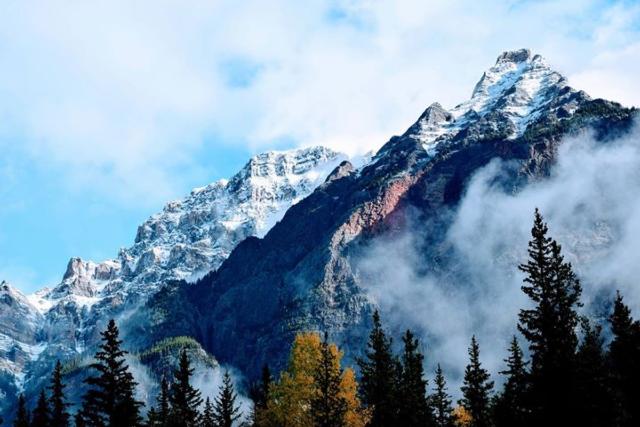
A ten-minute walk past trees and birds can lower stress more reliably than many people expect. It does not fix every problem, but it changes how the body feels—breathing slows, shoulders drop, thoughts get less noisy. That reaction is a clue: humans don’t just like nature. We often need it.
Get The Latest News!
Don't miss our top stories and need-to-know news everyday in your inbox.
Nature matters because it shapes our health, our culture, and our sense of meaning. Even in a world of screens and cities, people keep reaching for parks, gardens, beaches, hiking trails, and even a single houseplant on a desk. The reasons are practical and emotional at the same time.
Nature is where our brains learned to feel safe
For most of human life, “home” was not a building. It was a landscape. Our ancestors had to read the natural world to survive: where fresh water might be, which clouds meant danger, what animal tracks meant food—or a predator.
That long history still shows up in what feels calming. Many people relax in places with open views and some cover nearby, like a meadow with trees at the edge. It’s a setting that once helped humans spot threats while staying protected. You can see this preference in modern life, too. People pay more for apartments with a view. Restaurants feel “cozier” with plants and warm lighting. Even video games often build peaceful “safe zones” with rivers, forests, and soft animal sounds.
This doesn’t mean we are trapped by ancient instincts. It means our minds are tuned by them. Nature fits the settings our brains understand at a deep level.
Nature helps our bodies reset
A lot of what people call “modern stress” is the body stuck in high alert. Traffic, deadlines, constant notifications, and bad news can keep the nervous system revved up. Nature often does the opposite.
Simple natural cues—wind in leaves, moving water, birdsong—tend to be gentle and repeating. They don’t demand the same kind of attention as a busy street or a phone buzzing. Many people notice that their thoughts slow down outside, even if they didn’t plan to “meditate.”
This is one reason hospitals add gardens, plants, and window views when they can. It’s also why “green exercise” is a real thing in everyday life: jogging feels easier in a park than beside a highway. A lunch break on a bench under trees can feel longer than the same break under fluorescent lights.
You don’t need wilderness for this effect. A small patch of green can help. A balcony with plants, a community garden, or a tree-lined sidewalk can be enough to change the mood of a day.
Nature gives our attention a break
Not all tiredness comes from physical work. A lot of it comes from focusing nonstop. School, work, and city life require “directed attention”: the effort of concentrating while ignoring distractions.
Nature tends to hold attention in a softer way. A cloud shifting shape, ripples on a pond, a trail turning a corner—these things are interesting but not demanding. They let the mind rest without going blank. That’s why people often say they get their best ideas in the shower or on a walk. The brain has room to wander and connect thoughts.
You can test this in your own routine. If you feel stuck on a problem, try stepping outside for a short walk without headphones. Notice what happens after ten or fifteen minutes. Many people come back with a clearer head, even if the problem is still hard.
Nature is tied to identity, memory, and meaning
People don’t only care about nature for health. They care because it becomes part of who they are.
Think about the places that show up in family stories: a lake where someone learned to swim, a hill where kids rode bikes, a grandparent’s garden, a fishing spot, a tree that marked the edge of a neighborhood. These places act like memory anchors. When they change or disappear, it can feel personal, even if you can’t explain why.
Nature also carries meaning in many cultures and traditions:
- In Japan, hanami (flower viewing) turns cherry blossoms into a shared moment of beauty and reflection.
- Many Indigenous cultures treat land as a relative, not a resource—something you belong to, not something you own.
- In parts of India, certain trees are considered sacred and protected by custom.
- In the United Kingdom and Ireland, “touch wood” (or “knock on wood”) is a common saying linked to older beliefs about trees offering protection.
- In English, idioms like “put down roots,” “can’t see the forest for the trees,” and “still waters run deep” use nature to describe human life.
These sayings stick around because they work. Nature is a language people use to talk about patience, growth, danger, and change.
We depend on nature more than we notice
It’s easy to think nature is “out there,” separate from daily life. But it’s built into the basics.
- Food: Soil health affects crops. Pollinators like bees help produce fruits and vegetables. Fisheries depend on clean water and stable ecosystems.
- Water: Forests and wetlands filter water and reduce floods. When they’re damaged, towns often pay more for treatment and flood control.
- Air and temperature: Trees cool neighborhoods. Cities with more shade can feel much less hot in summer. That affects energy bills and health.
- Materials: Wood, cotton, rubber, and many medicines come from plants and ecosystems.
One commonly misunderstood idea is that caring about nature is mostly about “saving cute animals.” Wildlife matters, but the bigger story is systems. When ecosystems are stable, life is cheaper and safer. When they break down, problems show up in grocery prices, allergies, storm damage, and public health.
Nature makes people feel connected—and less alone
Humans are social, but connection isn’t only about other humans. Many people feel a sense of belonging when they visit a coast, sit near a river, or watch a sunset. It can feel like being part of something larger.
This matters because modern life can shrink our world to schedules and tasks. Nature pushes back against that. It reminds people that life is more than emails and errands. Even small encounters—seeing a hawk circle overhead, noticing the first green buds on a branch—can add a quiet sense of perspective.
This is also why nature shows up in art, music, and sports. Landscape paintings, outdoor concerts, surfing, trail running, camping, gardening—these aren’t just hobbies. They are ways people rebuild connection.
Why we sometimes ignore nature (even when we care)
If nature is so important, why do people treat it as optional?
One reason is that modern systems hide it. You can buy food without seeing a farm. You can turn on water without seeing a watershed. You can cool a house without thinking about shade or heat.
Another reason is that environmental issues can feel huge and distant. “Climate,” “biodiversity,” and “conservation” can sound like topics for experts. But most nature-related choices are local and ordinary: how a neighborhood is designed, whether a city plants trees, what happens to a nearby creek, how often people can access parks safely.
Caring about nature doesn’t always look like activism. Sometimes it looks like wanting your kid to have a place to play outside. Or noticing that your mood improves when you see green on your commute.
Practical ways to recognize nature’s role in your life
You don’t need to change your whole lifestyle to see why nature matters. Try a few simple experiments:
- Track your stress before and after a short outdoor break. Even ten minutes can show a difference.
- Find your “nearest nature.” It could be a street tree, a small park, a community garden, or a patch of sky from a window.
- Notice what you miss when it’s gone. Construction noise, fewer birds, less shade—absence can reveal value.
- Bring nature into daily spaces. A plant near your workspace, natural light, or a walk route with trees can change how a day feels.
- Connect through routines. Weekend walks, gardening, or eating outside builds a steady relationship with the outdoors, not just a once-a-year trip.
These aren’t just wellness tips. They are ways to see how tightly human life is linked to the living world.
Nature matters to humans because it shaped us, steadies us, and supports the systems we rely on. It also gives people a place to breathe, think, remember, and feel connected. In a world that moves fast and often feels artificial, caring about nature is not a trend. It’s a quiet sign that we still recognize where we came from—and what we still need to live well.
More like this:



- Most Popular



- Top Stories



- Most Recent



- Sign In
- Home
- Video
- News
-
Weather
 Sponsored by Michael Ryan Exteriors - Roofing Professionals
 - Sports
- Obits
- Events
- Radio
- AP News
- Shop Local
- Classifieds
- Autos
- Real Estate
- Directory
Follow Us
Copyright © 2026 RiverBender.com All rights reserved.
primary