


How Earth Day Grew From Local Anger Over Pollution Into a Global Movement
The annual observance began in 1970 as a grassroots response to visible pollution and quickly helped build momentum for major U.S. environmental protections.
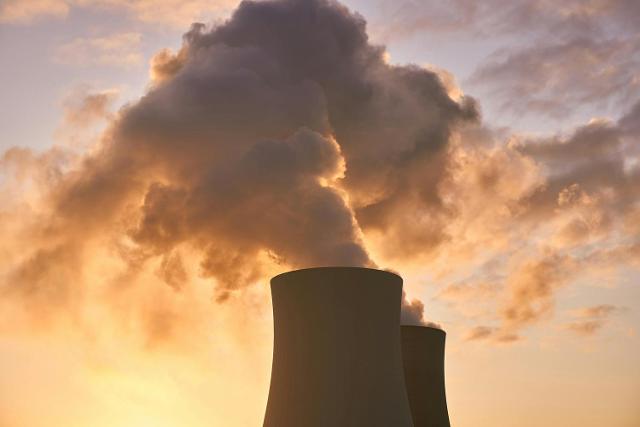
The first Earth Day wasn’t started by a big environmental group. It was powered by ordinary people—students, teachers, union members, faith groups, and neighbors—showing up in parks, schools, and city streets because the air and water had become impossible to ignore.
Get The Latest News!
Don't miss our top stories and need-to-know news everyday in your inbox.
Earth Day matters because it turned environmental concern into a public, shared project. It helped move pollution from being “just the way things are” to being a problem that citizens could name, measure, and push leaders to fix. Understanding its roots also clears up a common misunderstanding: Earth Day is not just a feel-good holiday about planting trees. It grew out of anger, evidence, and real health fears.
Before Earth Day: when pollution felt normal
In the middle of the 1900s, many cities lived with thick smog and dirty rivers as part of daily life. Factory smoke was often treated as a sign of progress. If the skyline looked hazy, that meant jobs. It was the old idea that you “can’t make an omelet without breaking eggs”—except the broken eggs were lungs, waterways, and neighborhoods.
Some of the most famous warning signs were hard to dismiss:
- Rivers catching fire. The Cuyahoga River in Ohio burned more than once due to oil and chemical waste. The 1969 fire became a national symbol of how bad things had gotten.
- Smog that made people sick. Major smog events in the U.S. and Europe caused spikes in illness and deaths, especially among older adults and people with asthma.
- Pesticides raising alarms. In 1962, Rachel Carson’s book Silent Spring argued that widespread pesticide use was harming wildlife and could harm humans too. The title itself became a cultural warning: a spring without birdsong.
These weren’t abstract “environmental issues.” They were everyday problems. People worried about whether their kids could swim in local lakes, whether tap water was safe, and why coughing was so common in certain neighborhoods.
The spark: a “teach-in” for the planet
Earth Day began with an idea that borrowed from the culture of the time. In the late 1960s, college campuses held teach-ins—public events where people learned about an issue and talked about solutions. U.S. Senator Gaylord Nelson of Wisconsin wanted a teach-in focused on the environment.
The plan grew quickly. The first Earth Day was held on April 22, 1970. Instead of one rally in one city, it became a nationwide wave of local events. That was part of its power. People didn’t have to wait for permission from a national organization. If you had a school gym, a church basement, a park, or a sidewalk, you had a place to host something.
An important detail: Earth Day brought together groups that did not always work side by side—students and labor unions, Republicans and Democrats, scientists and community organizers. The environment became a “big tent” issue because pollution touches so many parts of life.
What Earth Day achieved—fast
Earth Day is sometimes treated like a symbol more than a turning point. But it helped create political momentum that led to major changes in the United States within a few years:
- The Environmental Protection Agency (EPA) was formed in 1970.
- The Clean Air Act was strengthened (1970).
- The Clean Water Act followed (1972).
- The Endangered Species Act came later (1973).
These laws didn’t solve everything, and they were shaped by compromise. But they changed the basic rules. Companies and cities could no longer treat the air and water as free dumping grounds without limits. Earth Day didn’t pass these laws by itself, but it helped make environmental protection a mainstream expectation rather than a fringe request.
Earth Day goes global
Earth Day started in the U.S., but it didn’t stay there. By 1990, Earth Day events spread widely across countries, and environmental issues became more international in tone. That shift makes sense. Air pollution drifts across borders. Plastic moves through oceans. Climate change is global by definition.
Today, Earth Day is recognized in many places, with events ranging from school projects to large marches. That scale can be inspiring, but it can also blur the original roots. Earth Day began as a response to visible, local damage—dirty air, poisoned water, dead wildlife—paired with a demand for stronger public rules.
Traditions, sayings, and common misunderstandings

Earth Day has built its own set of traditions. Some are helpful. Some can be misleading.
Traditions people recognize
- Community cleanups, especially around rivers and parks
- Tree planting and garden projects
- School posters and science-fair style presentations
- “Reduce, reuse, recycle” drives (a phrase that became a kind of environmental shorthand)
A few misunderstood ideas
- “Recycling fixes it.” Recycling helps, but it is only one tool. Many materials are hard to recycle, and some recycling systems are limited by cost and demand. Reducing waste in the first place often matters more.
- “It’s all about individual choices.” Personal habits are important, but Earth Day’s roots are also about policy and industry standards. Cleaner air happened largely because rules changed.
- “Earth Day is just symbolic.” Symbols matter, but Earth Day has a track record of leading to measurable action—especially when people use it to push for specific goals.
There’s also a phrase people repeat: “Think globally, act locally.” It fits Earth Day well. The problems can be worldwide, but the first steps often happen in your own school, street, or workplace.
How the original roots connect to modern daily life
The environmental problems of 1970 haven’t vanished. They’ve shifted.
In many places, the air is cleaner than it was decades ago, thanks to emissions rules and technology. But new challenges have grown:
- Car dependence and traffic pollution. Even with cleaner engines, lots of driving adds up. People feel it when they live near highways or when hot, still days trap pollution.
- Plastic everywhere. Takeout containers, delivery packaging, and bottled drinks are normal parts of modern convenience. The waste piles up quickly.
- Extreme weather and climate risks. Heat waves, smoke from wildfires, flooding, and water shortages are becoming more common in many regions. These are environmental issues, but they also affect insurance costs, food prices, and school schedules.
- Environmental justice concerns. Pollution does not hit everyone equally. Communities near industrial sites or busy roads often face higher health risks. This connects directly to Earth Day’s original focus on public health.
Earth Day’s environmental roots remind us that “environment” isn’t only forests and endangered animals. It’s also the air outside your apartment, the water in your kitchen, and the safety of the places where kids play.
Practical ways to recognize Earth Day’s message in your own life
Earth Day can feel huge and distant. The original movement was the opposite: close to home and specific. Here are ways to make that spirit real without turning it into a one-day performance.
Notice what you can measure
- Check your area’s air quality index on days you smell smoke or see haze.
- Pay attention to local water quality reports, especially if you swim, fish, or have a well.
Connect habits to systems
- If you want to cut waste, start with what shows up most: food packaging, single-use cups, and shipping materials.
- If you want to cut emissions, look at the biggest pieces: commuting, home energy use, and food waste.
Use Earth Day as a “civic reset”
- Ask your school or workplace what they do with trash, food scraps, and electronics.
- Support local projects that have lasting impact, like safer bike routes, tree canopy plans, or lead pipe replacement.
- If you vote, treat clean air and water like basic services—because they are.
Keep it social Earth Day worked because people did it together. A cleanup with neighbors, a shared compost plan in an apartment building, or a school project that improves recycling rules tends to stick longer than a solo pledge.
The deeper lesson behind Earth Day
Earth Day’s environmental roots are not rooted in perfection. They’re rooted in participation. The first Earth Day wasn’t a celebration of how “green” everyone already was. It was a public decision to stop shrugging at pollution and start demanding better.
That same choice still matters. The problems look different now, and some are bigger. But the core idea holds: when people treat clean air, safe water, and a stable climate as normal expectations—not special favors—real change becomes possible. Earth Day is a reminder that the environment isn’t somewhere else. It’s the place where life happens, and it’s shaped by what we accept and what we’re willing to improve.
More like this:


- Most Popular



- Top Stories


- Most Recent


- Sign In
- Home
- Video
- News
-
Weather
 Sponsored by Michael Ryan Exteriors - Roofing Professionals
 - Sports
- Obits
- Events
- Radio
- AP News
- Shop Local
- Classifieds
- Autos
- Real Estate
- Directory
Follow Us
Copyright © 2026 RiverBender.com All rights reserved.
primary