


How Outdoor Games Evolved From Ancient Survival Skills to Modern Playgrounds
From tag and hopscotch to lacrosse and soccer, many outdoor games trace their roots to ancient skills, community rituals and the rise of organized play.

A lot of the games kids play outside are older than the countries they live in.
Get The Latest News!
Don't miss our top stories and need-to-know news everyday in your inbox.
That sounds exaggerated until you realize how often the “new” games on a playground are really remixes of ancient ideas: chase, throw, hide, race, and test strength. Outdoor games have always been a simple way to turn open space into a challenge, a story, or a social ritual. Their history is not just about fun. It’s also about training, community rules, and the way cultures pass time-tested habits from one generation to the next.
Why outdoor games matter beyond entertainment
Outdoor games look casual, but they do serious work. They teach cooperation and competition. They build coordination. They help people learn unwritten rules: take turns, don’t cheat, protect smaller players, and accept losing without falling apart.
They also reflect the world around them. When a community has open fields, games spread out. When streets are crowded, games shrink into tight spaces. When societies value military readiness, games often resemble drills. When people have more free time, games become more elaborate and organized.
Early roots: chasing, throwing, and proving yourself
Some of the oldest outdoor games were practice for real survival skills. Running, grappling, and throwing objects accurately mattered for hunting and defense. Over time, those skills became contests.
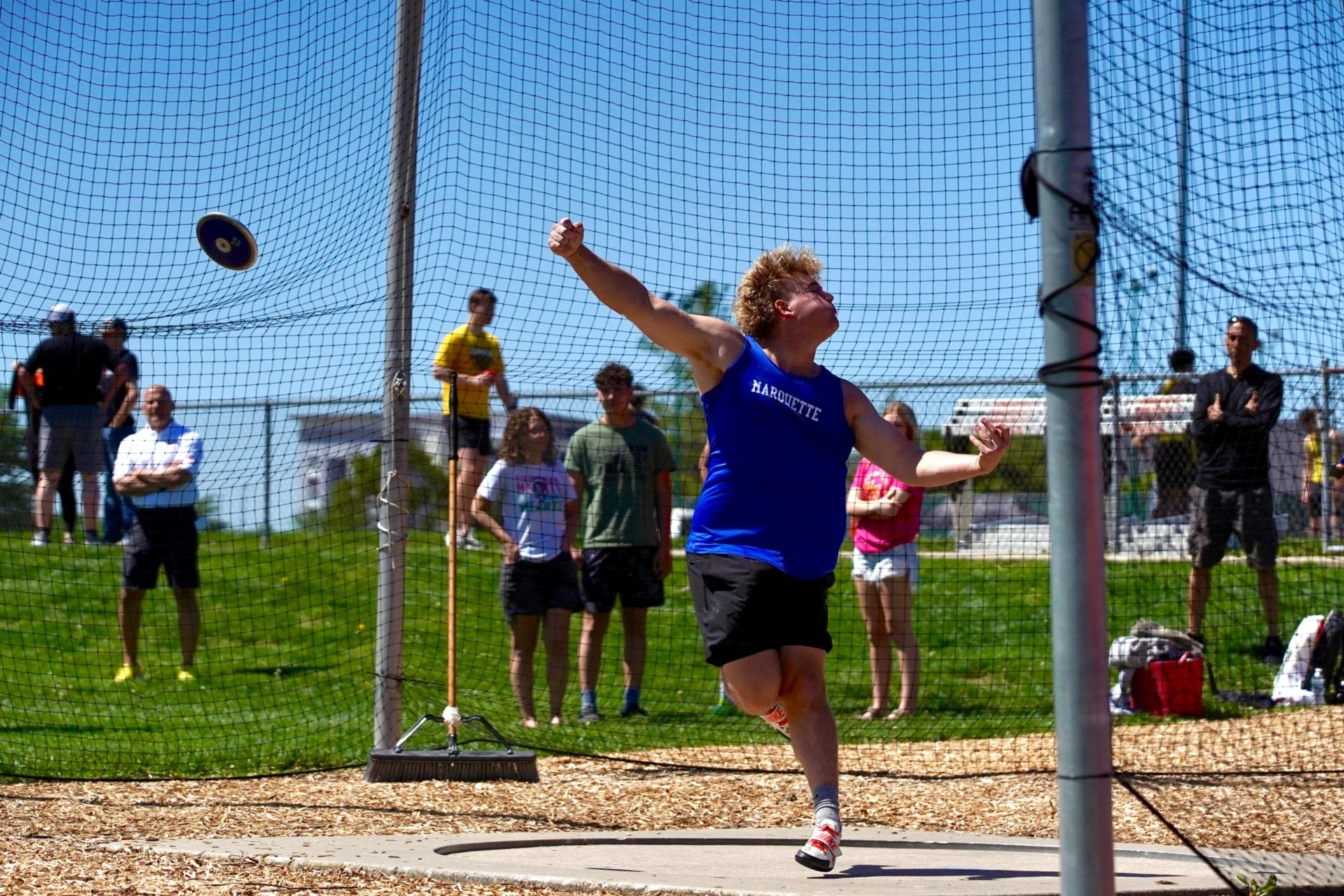
Ancient Greece held athletic festivals where events like running, wrestling, discus, and javelin were public entertainment. Even if those aren’t “games” in the playground sense, they show a key pattern: outdoor play often sits on the border between sport, training, and spectacle.
In many cultures, children’s games mirrored adult life in smaller form. A simple “capture” game echoes raids and defense. Throwing games echo hunting. Team races echo messenger duties or military movement. These links are easy to miss because modern life separates play from work more sharply than earlier societies did.
Traditional children’s games: the global family tree
If you grew up playing tag, hide-and-seek, or hopscotch, you’ve touched a global tradition.
Tag appears in countless versions around the world. The basic idea—one person chases, others flee—needs no equipment and works in almost any space. That simplicity is why it spreads so easily. Tag also produces a natural social drama: who is fast, who is clever, who sacrifices themselves, who bends the rules.
Hide-and-seek is just as universal. It rewards patience, timing, and reading people. It also has a built-in story arc: the tension of hiding, the relief of staying hidden, and the rush of being found. Many cultures have local phrases for the “safe” spot, like “home base,” “den,” or “goal,” which shows how the game adapts to language and place.
Hopscotch has a long history in Europe and beyond, with versions that use chalk, stones, or scratches in dirt. People sometimes claim it came from Roman military training. That may be overstated, but it points to something true: games often borrow from adult movement patterns and turn them into playful tests of balance and control.
Even marbles, played outdoors in many places, connects to long traditions of small-skill competition. The basics—aim, flick, win pieces—have stayed the same even as the materials changed from clay to glass.
Medieval and early modern Europe: when games met the calendar and the crowd
In medieval towns and villages, outdoor games were often tied to festivals and public gatherings. That’s when you see rougher, more chaotic forms of play.
A famous example is mob football in Britain, a wild ancestor of modern soccer and rugby. Entire neighborhoods could become teams. The “field” might stretch across streets and fields, and the rules were loose. Authorities sometimes tried to ban it because it broke windows and started fights. Those bans are part of the story: when a game grows big enough to disrupt daily life, it becomes a political issue.
Other traditional games included bowls (an ancestor of lawn bowling), quoits (ring tossing), and various stick-and-ball games that later influenced sports like hockey and golf. These activities were social glue. They also showed class differences. Some games required open land or special equipment, which meant not everyone had equal access.

Language picked up these connections. The phrase “the ball is in your court” comes from court games like tennis and now means responsibility has shifted to you. “Level playing field” started as a literal idea and turned into a metaphor for fairness.
Indigenous and community games: identity, teaching, and ceremony
Outdoor games are also cultural records. Many Indigenous communities developed games that carried lessons, values, and history.
In North America, forms of lacrosse were played long before modern leagues existed. These games could involve large numbers of players and serve social or ceremonial roles. They were not just recreation. They could be tied to community relationships, conflict resolution, or spiritual meaning, depending on the nation and context.
Across the world, you see similar patterns: games that teach youth how to move, how to endure discomfort, how to work as a group, and how to represent their community with pride. Even when outsiders later rebranded or standardized these games, their roots mattered—and still matter.
The 1800s: rules, leagues, and the birth of modern outdoor sports
A major shift happened when outdoor games became organized sports with written rules.
Industrialization changed daily schedules. Schools expanded. Cities grew. People wanted structured recreation that fit into set times and spaces. This is when many familiar sports took their modern form:
- Soccer (association football) standardized rules in England in the 1860s.
- Rugby split into its own code.
- Baseball developed into a codified sport in the United States in the mid-1800s.
- Cricket formalized earlier and spread through the British Empire.
Standard rules made it possible to play the same game in different places. That helped games travel fast. It also changed the feel of play. Informal games bend to the group’s mood. Organized sports demand consistency, referees, and boundaries.
This period also brought the idea of “sportsmanship” as a public value. The saying “it’s not whether you win or lose, it’s how you play the game” captures the moral role people started assigning to outdoor competition.
The playground era: designing spaces for play
By the late 1800s and early 1900s, many cities began building dedicated playgrounds. This wasn’t only about fun. Reformers argued that safe outdoor play could improve health, reduce trouble, and help children learn social rules.
Playgrounds shaped which games survived. Activities that fit a small area and used simple equipment became common: foursquare, jump rope, tetherball, and different kinds of tag. Painted lines on asphalt created new “official” spaces for games that used to be improvised.
You can still see this influence in everyday life. A single basketball hoop in a driveway can turn into a neighborhood meeting point. A patch of grass becomes a soccer field with two backpacks as goalposts. The space invites the game.
Outdoor games in the digital age: competition, creativity, and a return to simple fun
Screens changed how people spend free time, but outdoor games didn’t disappear. They adapted.
Organized youth sports grew, sometimes becoming intense and expensive. At the same time, informal outdoor play continued in parks, schoolyards, and backyards. New hybrids appeared too, from scavenger hunts designed with apps to location-based games that get people walking and exploring.
What’s striking is how quickly people fall back on old formats when they step outside with friends or family. A picnic turns into a throwing contest. A reunion sparks a spontaneous race. A group of kids invents rules on the spot. The oldest outdoor games survive because they are flexible, social, and easy to start.
How to spot the history of outdoor games in your own life
You don’t need a museum to see this history at work. Look for these clues:
- Rule debates: When someone argues about what “counts,” you’re seeing a tradition of local rules, the same way villages once played their own versions of football.
- House rules: “No hitting above the shoulders” or “that tree is base” shows how games adapt to the environment.
- Old sayings in new settings: Phrases like “saved by the bell,” “down to the wire,” or “home stretch” come from sports history and show how games shape everyday language.
- Improvised equipment: A stick becomes a bat, a jacket becomes a goal, chalk becomes a court. That’s the oldest pattern of all.
If you want to bring more outdoor play into your routine, start small: keep a ball in the car, learn one simple group game, or pick a park with open space. The barrier is usually not skill. It’s just starting.
Outdoor games have never been only “kids’ stuff.” They are a living archive of how people compete, cooperate, and create meaning in shared spaces. When you see a group invent rules, choose teams, and argue about a close call, you’re watching a tradition that has traveled through centuries—still changing, still familiar, and still powered by the simple thrill of moving together under an open sky.
More like this:



- Most Popular



- Top Stories


- Most Recent



- Sign In
- Home
- Video
- News
-
Weather
 Sponsored by Michael Ryan Exteriors - Roofing Professionals
 - Sports
- Obits
- Events
- Radio
- AP News
- Shop Local
- Classifieds
- Autos
- Real Estate
- Directory
Follow Us
Copyright © 2026 RiverBender.com All rights reserved.
primary