


Why Humans Keep Chasing Balance in a World Built for More
This article explores how balance shapes the body, brain, emotions, relationships, and daily decision-making in modern life.

Balance isn’t something you find once and keep. It’s something you keep chasing—often in small, ordinary moments, like reaching for a second cup of coffee and then deciding you should probably drink water instead.
That push and pull is not a personal flaw. It’s a human feature. We seek balance because our bodies, minds, and relationships work best when we can move between needs without getting stuck at either extreme. And because modern life makes extremes easy: endless work, endless entertainment, endless noise, endless options. Balance is the skill of choosing “enough” in a world built for “more.”
Balance starts in the body: your built-in stabilizer
Before balance became a life goal, it was a survival requirement. Your body is constantly trying to stay in a safe range. Temperature, blood sugar, hydration, sleep, stress hormones—these systems shift all day, and your brain adjusts to keep you steady.
That process is called homeostasis, but you don’t need the word to recognize the feeling. When you’re too hungry, you can’t think clearly. When you’re too tired, everything feels harder. When you’ve been sitting too long, your body wants to move. These are not random cravings. They are signals that your internal “settings” are off.
Modern life often blocks those signals. You can ignore hunger with snacks, ignore fatigue with caffeine, and ignore stress with scrolling. The body keeps asking for balance anyway. That’s why people talk about “listening to your body.” It’s not mystical. It’s practical.
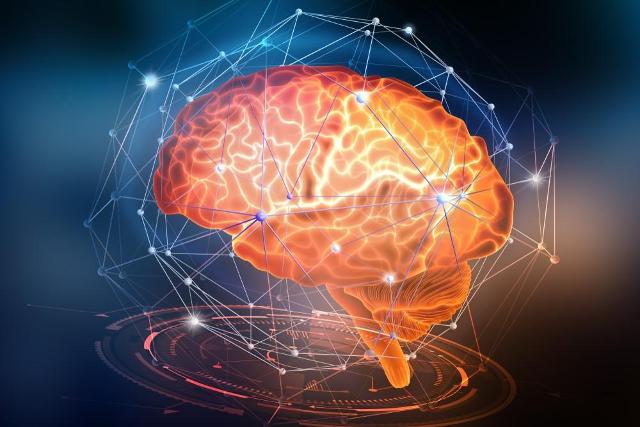
The brain wants balance too: between safety and growth
Your brain is always weighing two needs:
- Safety: avoid threats, reduce uncertainty, keep things familiar
- Growth: explore, learn, connect, take chances
Too much safety can feel like boredom or stagnation. Too much growth can feel like anxiety and burnout. Balance is the sweet spot where you feel challenged but not overwhelmed.
This is why change can be both exciting and scary. A new job might bring pride and panic at the same time. A relationship can feel comforting and also demanding. Your brain is not being inconsistent. It’s doing its job: pushing you forward while trying to protect you.
You can see this in small choices. You want to save money, but you also want to enjoy your life. You want to be healthy, but you also want comfort food when you’ve had a rough day. Humans don’t seek balance because we’re indecisive. We seek it because we have real needs that compete.
Emotions are a balancing act, not a problem to “fix”
A common misunderstanding is that balance means feeling calm all the time. But a balanced person still gets angry, sad, excited, and afraid. The difference is how long they stay stuck in those states and what they do next.
Emotions are information. Anger can point to unfairness. Anxiety can signal uncertainty. Sadness can show what matters. Joy can reinforce connection and purpose. If you try to erase emotions, you lose the message—and the pressure builds.
Real balance looks more like this: you can feel something strongly, then return to center. You can react, then reflect. You can care deeply without being consumed.
That’s why practices like journaling, talking things out, exercise, and quiet time work for so many people. They don’t delete emotion. They help it move through.
Social life demands balance between “me” and “us”
Humans are social animals, but we’re also individuals. That creates a constant tension:
- You want belonging, but you also want freedom.
- You want honesty, but you also want harmony.
- You want support, but you don’t want to feel dependent.
Every relationship is a negotiation between closeness and space. Too much distance can feel lonely. Too much closeness can feel suffocating. Balance is the middle path where connection stays strong without erasing personal boundaries.
You can spot this in everyday life: deciding whether to answer a text right away, choosing when to say yes to plans, figuring out how much to share online, or learning when to apologize and when to stand your ground.
Even conflict is part of balance. A relationship with zero conflict often means someone is staying quiet to keep the peace. A relationship with constant conflict often means no one feels heard. Healthy balance includes respectful disagreement.
Culture has always taught balance—often through simple sayings
Long before self-help books, cultures built balance into stories, traditions, and advice.
- “Everything in moderation.” This idea, often linked to ancient Greek thought, warns against extremes.
- “The middle way.” In Buddhist traditions, it points to avoiding both indulgence and harsh self-denial.
- Yin and yang. In Chinese philosophy, opposites are not enemies; they depend on each other. Light and dark, rest and action, softness and strength.
- “Too much of a good thing.” A common modern phrase that captures the same truth: even positive habits can turn harmful when they become rigid.
These sayings last because they match what people experience. You can work hard and still work too much. You can be disciplined and still become inflexible. You can be kind and still fail to protect your own time.
Culture keeps repeating the lesson: balance isn’t weakness. It’s wisdom.
Why modern life makes balance harder (and more necessary)
Many parts of daily life push us toward extremes.
Work doesn’t have clear edges anymore. Messages follow you home. Remote work can blur the line between “on” and “off.” Even students can feel this, with assignments, group chats, and constant reminders.
Entertainment is endless. Streaming, games, and social media are designed to keep you engaged. Your brain likes novelty, so it’s easy to lose track of time.
Comparison is constant. You see other people’s highlight reels all day. That can pull you off balance fast—either into pressure (“I should be doing more”) or into discouragement (“I’ll never catch up”).
Choices never stop. Too many options can create decision fatigue. When you’re worn down, balance gets harder. You default to what’s easiest, not what’s best.
In this environment, balance becomes less of a nice idea and more of a survival skill.
What balance actually looks like in real life
Balance is often quieter than people expect. It’s not a perfect routine. It’s a set of small corrections.
- You notice you’ve been snapping at people, so you go to bed earlier.
- You realize you’ve been isolating, so you make one plan with a friend.
- You’ve been spending too much, so you set a simple limit for the week.
- You’ve been working nonstop, so you take a walk without your phone.
- You’ve been avoiding a problem, so you take one uncomfortable step.
It’s less like standing still on a tightrope and more like riding a bike. You wobble, adjust, and keep moving.
Practical ways to recognize imbalance and restore it
You don’t need a big life overhaul to find balance. Start by noticing patterns.
Watch for common signals:
- Feeling tired even after sleep
- Getting irritated by small things
- Losing interest in things you usually enjoy
- Overthinking simple decisions
- Using food, shopping, or scrolling to numb out
- Feeling like you’re always behind, even when you’re doing a lot
Try small resets that match the problem:
- If your mind is racing: write down what’s looping, then pick one next step.
- If your body feels tense: move for 5–10 minutes, even gently.
- If you feel disconnected: send one honest message to someone you trust.
- If you feel overloaded: remove one optional task instead of adding a new “productivity” trick.
- If you feel stuck: do something slightly challenging on purpose—one call, one form, one workout, one hard conversation.
Use the “two needs” question:
When you feel torn, ask: What need am I meeting right now, and what need am I ignoring?
This reframes balance as a choice between valid needs, not a battle between “good” and “bad.”
The deeper reason we chase balance
At its core, balance is about trust. When your life feels balanced, you trust that your needs will be met over time. You trust that rest won’t ruin your progress. You trust that effort won’t erase your joy. You trust that you can handle change without losing yourself.
That’s why humans keep reaching for it, even when we miss. Balance is the way we stay whole in a world that pulls us in different directions. It isn’t a finish line. It’s a way of living—one small adjustment at a time.
More like this:



- Most Popular



- Top Stories



- Most Recent


- Sign In
- Home
- Video
- News
-
Weather
 Sponsored by Michael Ryan Exteriors - Roofing Professionals
 - Sports
- Obits
- Events
- Radio
- AP News
- Shop Local
- Classifieds
- Autos
- Real Estate
- Directory
Follow Us
Copyright © 2026 RiverBender.com All rights reserved.
primary