


April 29 in History: Dachau’s Liberation, Joan of Arc at Orléans, and Other Defining Moments
The date includes the liberation of Dachau, major milestones in war, diplomacy, exploration, and spaceflight, and the births and deaths of influential cultural figures.

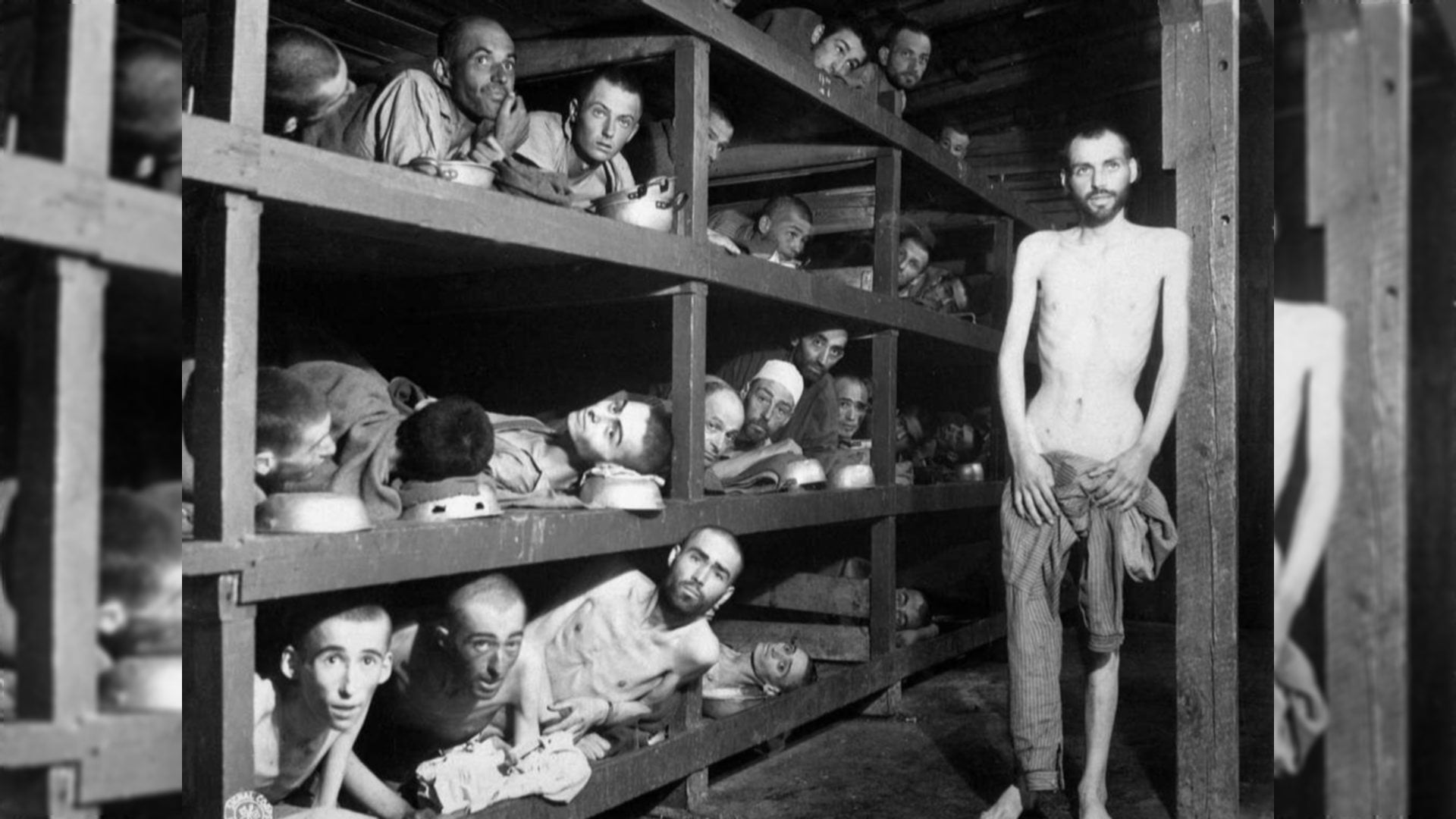
On April 29, 1945, American forces liberated the Dachau concentration camp near Munich, Germany, exposing the world to clear evidence of the Nazi system of mass imprisonment, forced labor, and murder. For the people held there, liberation meant survival after years of brutality, hunger, and disease. For the wider public, the images and testimonies from Dachau became impossible to dismiss, helping shape postwar justice efforts and the global commitment—imperfect but lasting—to documenting crimes against humanity. The day still matters because it shows how quickly a modern state can turn law and bureaucracy into tools of persecution, and why protecting basic rights depends on more than promises in peaceful times.
Dachau had been established in 1933, soon after Adolf Hitler came to power, and it became a model for the concentration camp system. Over time, prisoners included political opponents, Jews, Roma, clergy, homosexual men, and many others targeted by the regime. By 1945, as Germany’s defeat approached, camps were overcrowded with people moved from elsewhere, and conditions collapsed. When U.S. troops arrived on April 29, they found thousands of survivors and evidence of widespread death. In the months that followed, Dachau and other liberated camps played a major role in how the war ended in public memory: not only as a military conflict, but also as a catastrophe for civilians and a warning about what unchecked state power can do.
That same date has also marked turning points in politics, culture, science, and public life across centuries. In 1429, during the Hundred Years’ War, Joan of Arc entered the besieged city of Orléans in France. Her arrival boosted French morale at a moment when the English and their allies seemed to have the upper hand. Orléans did not fall, and the momentum that followed helped reshape the conflict and strengthen the French crown. Joan’s story later became a symbol of national identity and religious devotion, but at its core it also shows how leadership, timing, and belief can change the course of a war.
In 1770, British explorer James Cook reached and named Botany Bay on the eastern coast of Australia. His landing was part of a wider European push to map, claim, and trade across the Pacific. The name came from the rich plant life observed by the expedition’s naturalists, reflecting the era’s growing interest in scientific classification. Cook’s voyage had long-term consequences far beyond navigation: it fed British ambitions in the region and set the stage for colonization that profoundly disrupted Indigenous societies and reshaped Australia’s future.
In the middle of World War II, April 29, 1945, was also the day Adolf Hitler married Eva Braun in Berlin, in a bunker as Soviet forces closed in on the city. The marriage had little practical impact on the war, which was nearly over, but it marked the collapse of Nazi leadership into a final, private gesture amid public ruin. Within hours, Hitler dictated a political testament and prepared for suicide, and Germany’s surrender followed days later. The episode is often remembered not for romance, but for how it underscored the regime’s end and the devastation it left behind.
In 1992, April 29 became closely linked with a major social crisis in the United States: the Los Angeles unrest following the acquittal of four police officers charged in the beating of Rodney King. The events that followed involved violence, deaths, and widespread property damage, and they revealed deep anger over policing, inequality, and economic hardship. The unrest also prompted policy debates, federal civil rights trials, and long-running efforts—uneven and contested—to reform law enforcement practices. While rooted in a specific local case, it resonated globally as an example of how trust in institutions can fracture when communities feel justice is not applied fairly.

A more recent April 29 event unfolded in 2011, when Prince William married Catherine Middleton at Westminster Abbey in London. The wedding drew a worldwide audience and became a major media moment, reflecting how modern monarchies balance tradition with public expectations. It also highlighted changes in British royal life, including a more visible role for spouses from non-aristocratic backgrounds and a continuing shift toward a public-facing, philanthropic model of royal work. For many viewers, the day was less about politics and more about shared ceremony and cultural attention in a global media age.
Several notable people born on April 29 left lasting marks in very different fields. Duke Ellington, born in 1899 in Washington, D.C., became one of the most influential figures in jazz. As a composer, bandleader, and pianist, he expanded the possibilities of big-band music and wrote works that blended popular appeal with sophisticated structure. His career helped shape how jazz was heard, performed, and respected around the world.
In 1901, Japanese Emperor Hirohito was born. His reign spanned extraordinary change, including Japan’s militarization, World War II, and the country’s postwar transformation into a constitutional monarchy with a pacifist constitution. Because he was a central symbol of the state across these eras, his life remains closely tied to debates about responsibility, governance, and national identity, as well as to Japan’s rebuilding and modernization after 1945.
The same date in 1954 saw the birth of Jerry Seinfeld, an American comedian and writer whose work helped define modern observational comedy. Through stand-up and the television series Seinfeld, he influenced comedic timing, everyday storytelling, and the structure of sitcoms. His impact is felt in later comedy that focuses on small social details rather than grand plotlines.
On April 29, 1970, Uma Thurman was born in Boston, Massachusetts. She became a prominent actor known for a wide range of roles, including major collaborations in independent and mainstream film. Her career reflects how late-20th-century cinema blended auteur-driven projects with global pop culture, and how certain performances can become reference points for style and character in film.
April 29 is also a date of notable losses. In 1980, Alfred Hitchcock died in Los Angeles. Often called the “Master of Suspense,” he helped shape modern filmmaking through innovative camera techniques, careful pacing, and a strong understanding of audience psychology. His films influenced generations of directors and remain widely studied and watched, not because they are museum pieces, but because their storytelling methods still work.
In 2014, Bob Hoskins died in England. He was celebrated for performances that combined warmth, intensity, and humor, appearing in films such as The Long Good Friday and Who Framed Roger Rabbit. His career showed the strength of character acting and the way a performer can anchor stories across genres without relying on spectacle.
Seen together, April 29 carries a striking mix of human experience.
More like this:


- Most Popular



- Top Stories



- Most Recent



- Sign In
- Home
- Video
- News
-
Weather
 Sponsored by Michael Ryan Exteriors - Roofing Professionals
 - Sports
- Obits
- Events
- Radio
- AP News
- Shop Local
- Classifieds
- Autos
- Real Estate
- Directory
Follow Us
Copyright © 2026 RiverBender.com All rights reserved.
primary