


Why Flowers Became One of Our Strongest Symbols of Emotion
From apologies and grief to romance and celebration, flowers have become emotional stand-ins through ritual, culture and their brief, sensory impact.
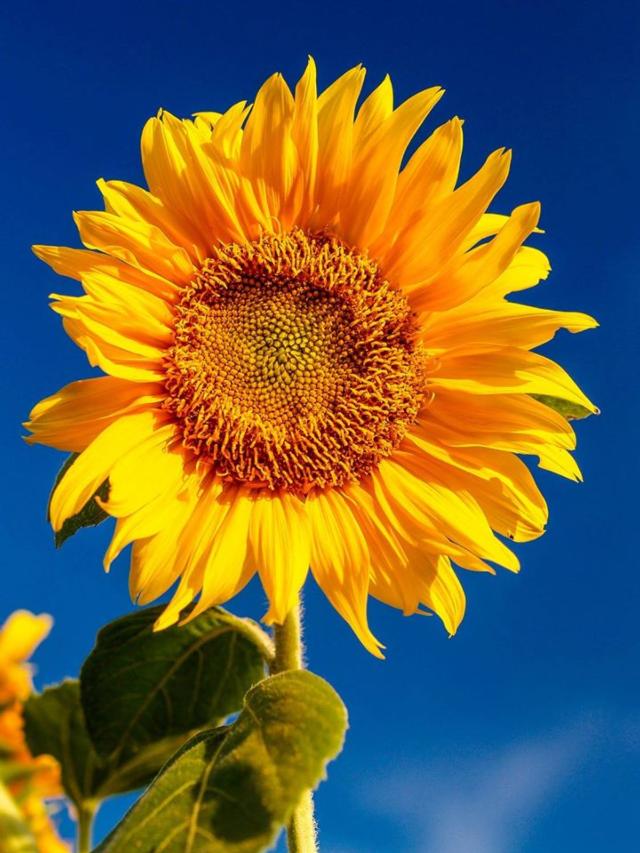
A bouquet can say “I’m sorry” without using a single word—and most people will still understand it.
Get The Latest News!
Don't miss our top stories and need-to-know news everyday in your inbox.
That’s the strange power of flowers. They are just plants, yet they carry emotional meaning in a way few objects do. We use them when we’re in love, when we’re grieving, when we’re proud, and when we don’t know what else to say. So why do flowers, of all things, become stand-ins for feelings?
Flowers speak when words feel risky
Emotions can be messy. Saying the wrong thing can make a moment worse. Flowers offer a safer option because they feel gentle and open-ended.
Think about common situations:
- You want to apologize, but you’re not sure the other person is ready to talk.
- You want to show support after a loss, but you’re afraid of sounding awkward.
- You want to celebrate someone, but you don’t want to make it about yourself.
In each case, flowers let you communicate care without forcing a conversation. They also allow the receiver to respond in their own time. A bouquet can sit on a table and quietly do its work.
Their beauty grabs attention—and emotion follows
Humans are wired to notice color, contrast, and scent. Flowers combine all three. That makes them hard to ignore.
When something catches your senses, it also catches your feelings. Bright colors can lift mood. Soft petals can feel comforting. Familiar scents can trigger memories. Even the shape of a bloom can suggest emotion: tight buds feel hopeful, full blossoms feel warm and generous, and wilting flowers can feel sad.
This sensory impact is one reason flowers fit emotional moments. They don’t just represent a feeling. They help create it.
Flowers are short-lived, which matches real life
One of the biggest reasons flowers symbolize emotion is also the simplest: they don’t last.
A bouquet looks its best for a brief time. Then it fades. That mirrors how many emotional moments work. A wedding, a first date, a farewell at an airport, a graduation—these are intense, meaningful events, but they pass quickly. Flowers fit because they belong to the same category: beautiful, temporary, and worth noticing.
That short life also makes flowers feel honest. They don’t pretend everything is permanent. They say, “This moment matters right now.”
We built a shared “code” for flowers over time
Even if you’ve never studied it, you’ve probably absorbed parts of a flower “language.” Red roses mean romance. White lilies show up at funerals. Sunflowers feel cheerful. That shared understanding didn’t appear by accident.
In the 1800s, especially in Europe and the United States, people popularized “floriography,” a system where different flowers and colors carried specific messages. A bouquet could act like a letter. This mattered in societies where direct emotional talk was often discouraged, especially in public.
Not everyone followed the rules perfectly, and the meanings changed by region. But the bigger idea stuck: flowers can stand for feelings.
You still see traces of this in modern life. Florists label arrangements with themes like “Love,” “Sympathy,” or “Congratulations.” Greeting cards pair certain blooms with certain messages. Social media posts reinforce the same associations.
Culture shapes what flowers “mean”
Flower symbolism isn’t universal. The same flower can suggest different ideas depending on where you are and what traditions surround it.
A few examples:
- Red roses often signal romantic love in many Western countries. But in some places, red flowers can also be tied to celebration, luck, or respect.
- Chrysanthemums are cheerful “fall flowers” in some regions, yet in parts of Europe they are strongly linked to mourning and memorials.
- White flowers can mean purity and weddings in one culture, and grief or funerals in another.
This is why flowers can be both powerful and tricky. They feel like a universal language, but they’re more like a set of local dialects.

If you’re sending flowers across cultures—or to someone with a different background—it helps to check what’s customary. A well-meant bouquet can land differently than you expect.
Rituals make flowers feel meaningful
Flowers show up in rituals: weddings, funerals, anniversaries, religious events, and public memorials. Rituals are repeatable actions we use to mark important transitions. Because flowers appear in those moments again and again, they become emotionally “trained” in our minds.
For example:
- At weddings, flowers decorate aisles, tables, and bouquets. Over time, flowers become linked with commitment and hope.
- At funerals, flowers surround the service and gravesite. They become tied to respect, remembrance, and the idea of life continuing.
- At graduations, flowers are handed to students. They become a symbol of pride and new beginnings.
Even if you don’t consciously think, “Flowers equal emotion,” your brain has seen that pattern enough times to feel it.
Idioms and everyday sayings reinforce the symbolism
Language keeps flower symbolism alive. We use flower-related phrases to talk about emotions and relationships:
- “Say it with flowers.” A direct reminder that flowers can communicate feelings.
- “Flower of my heart.” A poetic way to express affection.
- “Stop and smell the roses.” A nudge toward appreciation and calm.
- “Nipping it in the bud.” Using a flower’s growth as a metaphor for preventing trouble early.
- “Fresh as a daisy.” A simple image for energy and brightness.
These sayings make flowers feel emotionally “literate.” Even people who don’t buy flowers often still speak in flower metaphors.
Flowers are a socially acceptable form of vulnerability
Giving flowers is one of the few ways people can show tenderness without having to explain themselves.
A bouquet is personal, but it’s not too personal. It’s romantic, but not always romantic. It can be formal or casual. It works for friends, family, coworkers, and neighbors. That flexibility matters because many people fear looking “too emotional.”
Flowers offer a middle path. They let you be kind without making a big speech. They also let the receiver interpret the gesture with generosity. A bouquet doesn’t argue. It doesn’t demand. It simply shows up.
Modern life still needs non-digital emotion
We message constantly, but many feelings don’t fit neatly into a text. Flowers help because they are physical and present.
A delivery at the door changes the mood of a whole room. A small vase on a desk can make a workday feel less stressful. A single stem left on a kitchen counter can feel like a quiet “I’m thinking of you.”
That’s why flowers still matter even when we can send gifs, voice notes, and long paragraphs. Digital words are easy to ignore. Flowers take up space. They insist, gently, that something matters.
Practical ways to “read” flower emotion in real life
You don’t need a rulebook to understand what flowers are doing. You can get better at it by noticing a few simple cues:
Color sets the emotional tone.
Red often reads as passion. White often reads as calm or reverence. Yellow can feel friendly. Pink often feels tender. Purple can feel thoughtful or admiring.Quantity changes the message.
One flower can feel intimate. A big bouquet can feel celebratory or urgent. A modest bunch can feel sincere and low-pressure.Context matters more than the species.
The same flowers can mean “Congratulations!” at a party and “I’m here for you” at a hospital. Where and when they appear shapes the meaning.Personal history beats tradition.
If someone’s favorite flower is irises because their grandmother grew them, that meaning will outweigh any official symbolism.Care is part of the gift.
Trimming stems, choosing a vase, or adding a note turns flowers from decoration into emotional support.
A final thought worth keeping
Flowers symbolize emotion because they do what feelings often do: they arrive suddenly, fill the senses, and remind us that moments are precious. They give us a way to show care without forcing perfect words. And they connect private feelings to shared rituals, so we don’t have to carry them alone. When you notice flowers in your own life—on a counter, at a ceremony, in a photo—you’re seeing a small, quiet tool humans use to make emotion visible.
More like this:



- Most Popular



- Top Stories


- Most Recent

- Sign In
- Home
- Video
- News
-
Weather
 Sponsored by Michael Ryan Exteriors - Roofing Professionals
 - Sports
- Obits
- Events
- Radio
- AP News
- Shop Local
- Classifieds
- Autos
- Real Estate
- Directory
Get the RiverBender App


Follow Us
Copyright © 2026 RiverBender.com All rights reserved.
primary