


What It Means to ‘Stand Tall’ and Why the Phrase Still Resonates
The phrase goes beyond posture, describing dignity, resilience and self-respect in everyday moments.
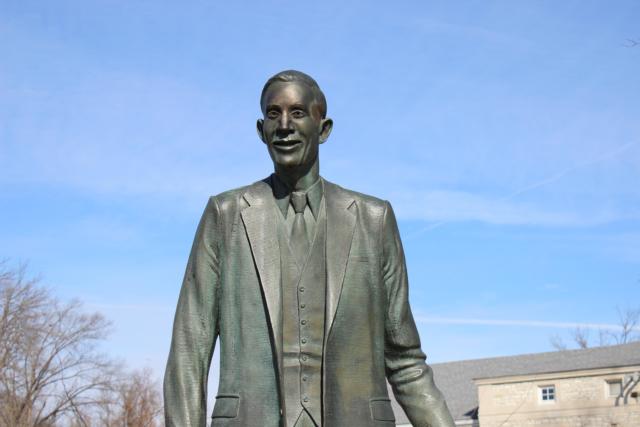
A person can be sitting down and still be “standing tall.” You’ve probably said it yourself—about someone who faced a setback, refused to be bullied, or owned up to a mistake. The phrase sounds physical, but its real power is about something you can’t measure with a ruler: dignity.
Get The Latest News!
Don't miss our top stories and need-to-know news everyday in your inbox.
“Standing tall” is one of those expressions that feels simple until you look closer. It can mean confidence, courage, honesty, or self-respect. Sometimes it even means staying calm when you want to shrink away. Understanding what’s behind the phrase helps you spot it in your own life—and practice it when it matters most.
What “standing tall” really means
At its core, “standing tall” means holding your ground with self-respect. It’s choosing not to fold under pressure, even if you feel nervous or unsure. It’s also about showing others—and reminding yourself—that you deserve basic respect.
People often connect “standing tall” with confidence, but confidence is only part of it. Someone can stand tall while feeling afraid. Someone can stand tall while losing. The phrase is less about winning and more about the way you carry yourself when things are hard.
Common meanings include:
- Keeping your dignity when you’re criticized or embarrassed
- Being brave in a moment that could make you back down
- Staying honest even when lying would be easier
- Refusing to be treated poorly without becoming cruel in return
- Taking responsibility instead of making excuses
So “standing tall” is not just a posture. It’s a decision.
Why height and posture became a symbol of strength
The idea makes sense when you think about the body. When people feel ashamed, they often look down, hunch their shoulders, and try to take up less space. When they feel confident, they tend to lift their head and straighten their back.
Humans notice these signals quickly. In everyday life, you can often tell who feels comfortable in a room before they even speak. That’s why posture became a shortcut for bigger traits like courage and authority.
This link shows up in many languages and expressions. We say:
- “Hold your head up.”
- “Keep your chin up.”
- “Don’t bow to pressure.”
- “He’s an upright person.”
Even the word “upright” carries a double meaning: it describes both posture and moral character. When someone is “upright,” we mean they are decent and trustworthy, not just physically straight.
Roots and echoes in culture and tradition
“Standing tall” isn’t tied to one single origin story, but the image appears across history and culture because it fits human experience so well.
In many traditions, standing is associated with respect and readiness. People stand for national anthems, for judges entering a courtroom, or when greeting someone important. Standing signals, “This matters. I’m present.”
There’s also a long tradition of linking posture with character. Stories often describe heroes as unbowed or unbroken. Villains and cowards are shown as shrinking, hiding, or kneeling in fear. These aren’t just dramatic choices—they reflect a common belief that the body reveals the inner person.
That belief isn’t always fair, of course. A shy person may have poor posture. A confident-looking person may be dishonest. Still, the symbolism remains strong, which is why “standing tall” lands so quickly in conversation.
Idioms and sayings that shape the idea
“Standing tall” sits in a family of phrases that all point to resilience and self-respect. A few are easy to confuse.
“Stand up for yourself” vs. “stand tall”
- Stand up for yourself is about action. It often involves speaking up, setting boundaries, or refusing unfair treatment.
- Stand tall is about presence. It’s the calm strength you show while you do those things—or even when you choose not to argue.
“Stand your ground” vs. “stand tall”
- Stand your ground can sound stubborn or confrontational, like you’re refusing to move in a conflict.
- Stand tall is broader and usually more positive. It can include firmness, but it also includes grace.
“Pride” vs. “standing tall”
People sometimes mistake standing tall for arrogance. But arrogance is about proving you’re better than others. Standing tall is about refusing to believe you’re less.
What standing tall looks like in real life
The clearest examples often happen in ordinary moments, not dramatic ones.
Owning a mistake at school or work
You miss a deadline or make a careless error. The easy move is to blame someone else or make excuses. Standing tall is saying, “That was on me. Here’s what I’ll do to fix it.” It may feel uncomfortable, but it builds trust fast.
Handling gossip without becoming part of it
Someone tries to pull you into a rumor. Standing tall might mean changing the subject, refusing to share, or saying, “I don’t think it’s fair to talk about her like that.” You don’t need a speech. You just need a line you can live with.
Walking away from a fight you could “win”
Sometimes the strongest move is not escalating. If an argument is turning ugly, standing tall can mean stepping back before you say something you can’t take back. That isn’t weakness. It’s control.
Being the “new person” and still showing up
Starting a new school, job, or team can make anyone feel small. Standing tall might look like introducing yourself, asking a question even if your voice shakes, or sticking with it through the awkward first weeks.
Staying kind under pressure
A common misunderstanding is that standing tall requires toughness that borders on coldness. But resilience can include kindness. It can mean staying respectful when someone else is rude, without letting them walk over you.
The quiet psychology behind it
Standing tall works partly because the body and mind influence each other. When you straighten your posture, breathe more fully, and lift your gaze, you often feel a bit steadier. It doesn’t solve your problems, but it can change how you meet them.
This doesn’t mean you can “posture your way” out of real anxiety or hardship. But small physical choices can support mental choices. It’s like setting your stance before you lift something heavy. The stance doesn’t remove the weight, but it helps you carry it.
Practical ways to recognize and practice “standing tall”
You don’t have to become louder or more aggressive to stand tall. Try looking for these signs in yourself:
1) Notice when you want to shrink
Pay attention to moments when you avoid eye contact, apologize too quickly, or laugh off something that bothered you. That urge to shrink is a signal: this is a moment where standing tall could matter.
2) Use simple, steady language
Standing tall often sounds calm.
- “I’m not comfortable with that.”
- “I disagree.”
- “Please don’t speak to me that way.”
- “I need time to think.”
Short sentences help you stay grounded.
3) Separate dignity from outcome
You can stand tall and still not get what you want. You can stand tall and still feel upset later. The goal isn’t a perfect win. The goal is to act in a way you respect when you look back.
4) Choose your boundary, then keep it
A boundary can be small: not answering texts after a certain hour, not joining in on insults, not letting someone pressure you into a decision. Standing tall is holding that boundary without long explanations or guilt.
5) Practice in low-stakes situations
It’s hard to stand tall during a major conflict if you never do it in small ones. Practice by returning the wrong order politely, asking a teacher for clarification, or saying no to a plan you don’t want.
Standing tall without hardening your heart
The strongest version of “standing tall” includes humility. It’s possible to be firm without being cruel, confident without being loud, and proud without putting others down. That balance is what people usually mean when they admire someone for standing tall.
In the end, the phrase points to a simple idea: you can’t control every outcome, but you can control your posture toward life—how you meet challenge, how you treat yourself, and how you respond when pressure tries to bend you. Standing tall is the choice to stay recognizable to yourself, even when it would be easier to disappear.
More like this:





- Most Popular


- Top Stories



- Most Recent



- Sign In
- Home
- Video
- News
-
Weather
 Sponsored by Michael Ryan Exteriors - Roofing Professionals
 - Sports
- Obits
- Events
- Radio
- AP News
- Shop Local
- Classifieds
- Autos
- Real Estate
- Directory
Get the RiverBender App


Follow Us
Copyright © 2026 RiverBender.com All rights reserved.
primary