


Durbin Blasts Trump Administration, Supreme Court Over Voting Rights In Senate Hearing
Illinois Senator ties Supreme Court decision to broader concerns about racial gerrymandering and ballot access.

Get The Latest News!
Don't miss our top stories and need-to-know news everyday in your inbox.
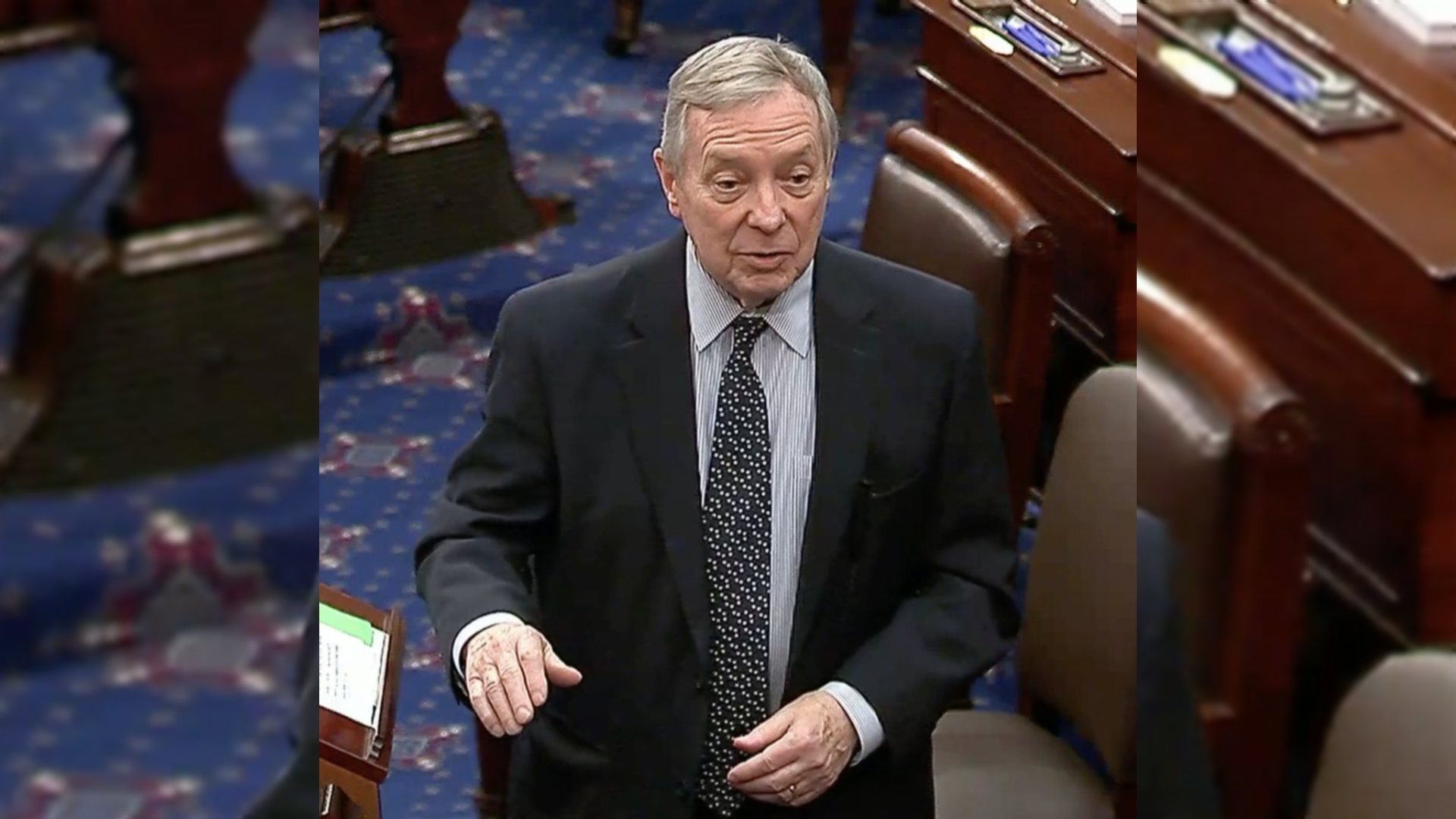
WASHINGTON – U.S. Senate Democratic Whip Dick Durbin (D-IL), Ranking Member of the Senate Judiciary Committee, today delivered an opening statement during a Senate Judiciary Subcommittee hearing entitled “Enforcing Callais: Implementing the Supreme Court’s Command Against Racial Gerrymandering.” The hearing follows the Supreme Court’s recent decision in Louisiana v. Callais, in which the Court further eviscerated the VRA and held that Louisiana’s congressional map is an unconstitutional racial gerrymander.
During his remarks, Durbin argued that the Trump Administration has restricted Americans’ voting rights by pushing for gerrymandered districts that dilute the votes of communities of color, restrictions on mail-in voting, and unreasonable voter registration requirements.
Key Quotes:
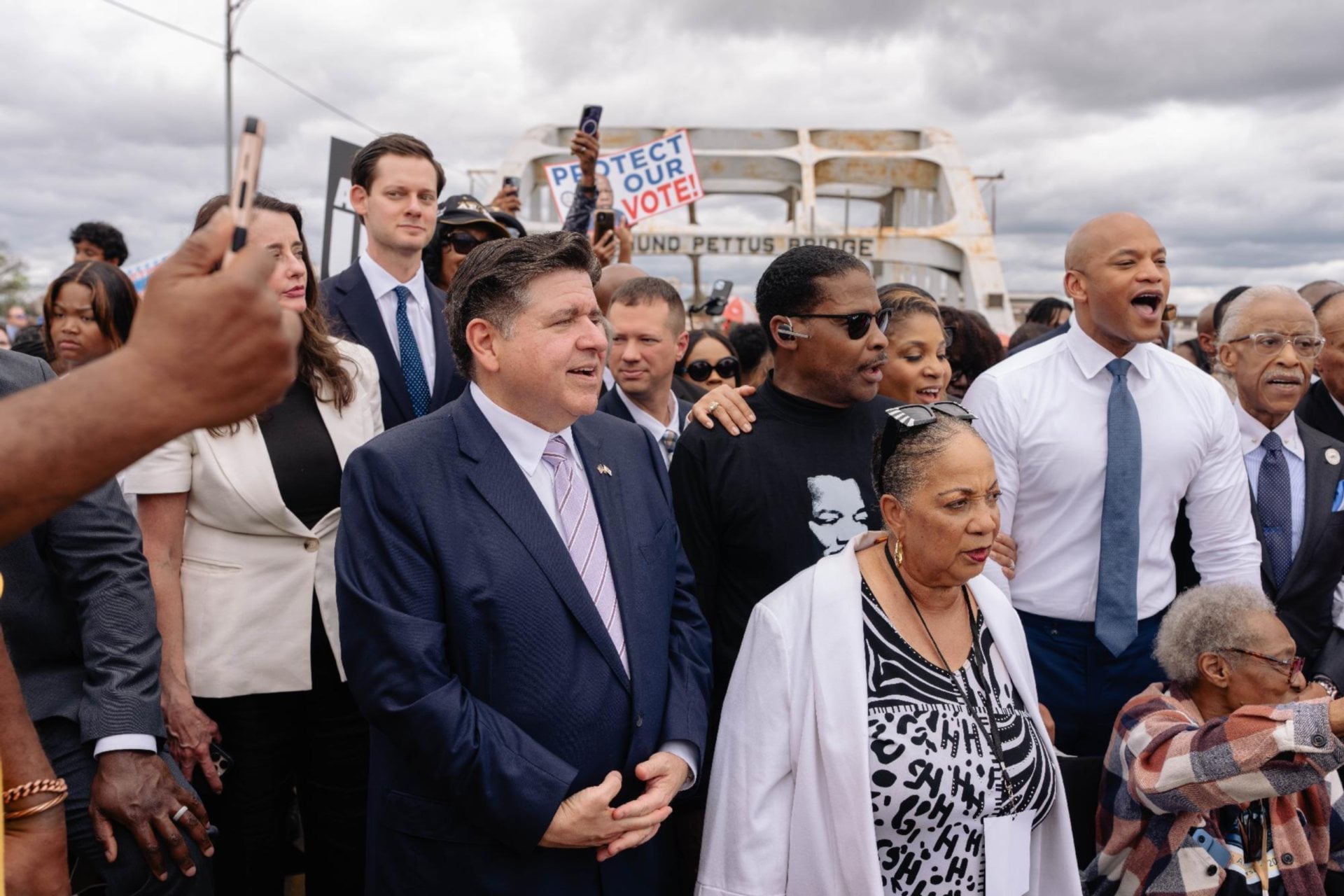
“I was elected to the House and Senate and [while I was] in the Senate, a man by the name of John Lewis used to take us down to Selma, Alabama, to walk down the Edmund Pettus Bridge and retrace [his] steps. I’ll never forget that morning. It was a Sunday morning, and I had to leave early to come back to Washington. It was just John and myself, walking down the Edmund Pettus Bridge and he pointed to the spot they almost killed him. What was the Selma march all about? It was all about this [voting rights].”
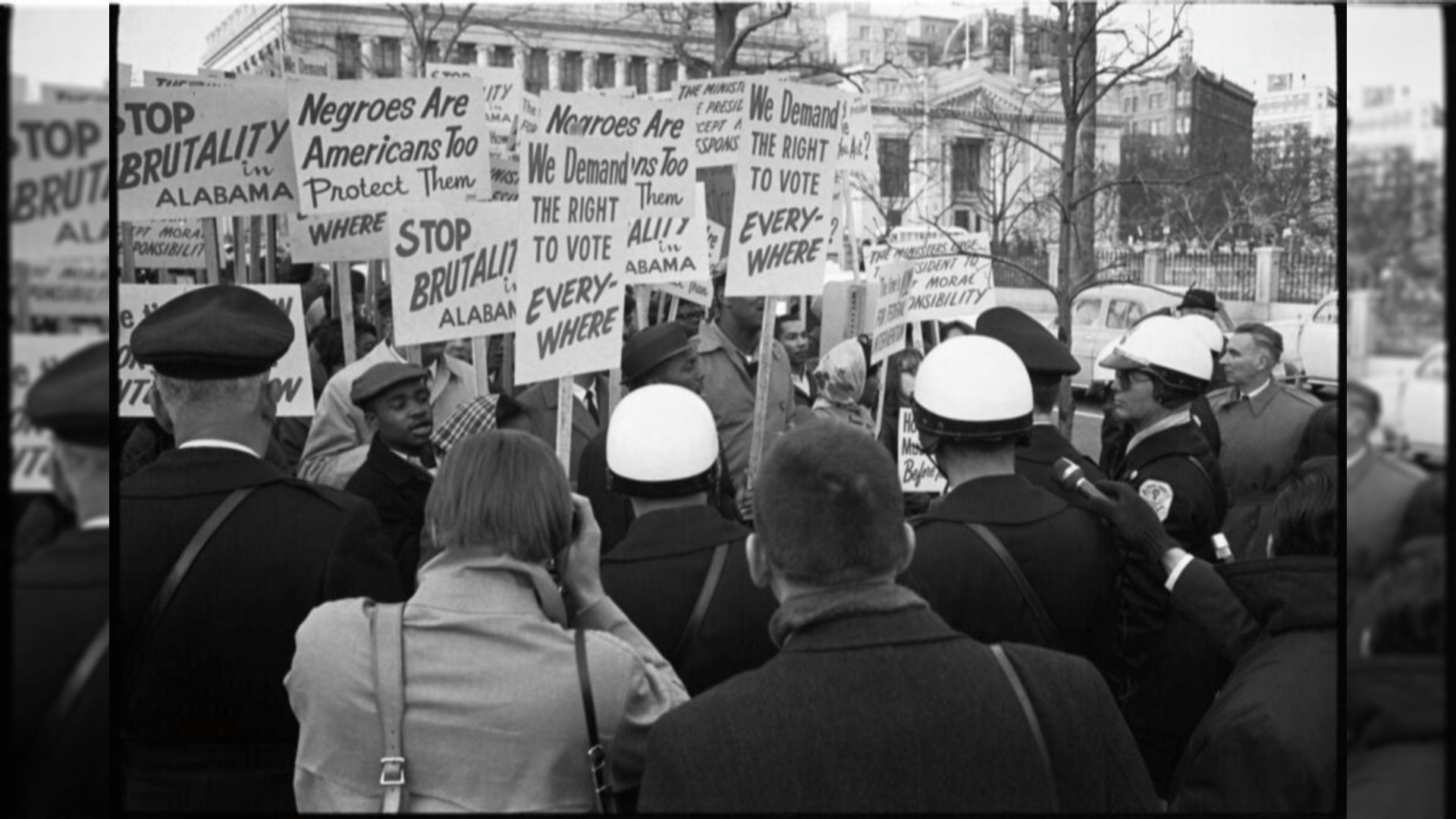
“There were 15,000 Black people living in Selma, Alabama. Do you know how many were registered to vote? Three hundred thirty-five… They couldn’t pass the literacy test [and more] … and they were denied the right to vote. That wasn’t just in Selma. It was in the South, and it was over and over again. So, the Voting Rights Act was passed after the Selma march. It was passed on a bipartisan basis, and we’ve used it in extreme situations to try to give African Americans or any others discriminated against a chance to be registered to vote [and participate fully in our democracy].”
“The declaration from this Supreme Court in this case [Louisiana v. Callais] as well as the political position of many of my colleagues is: ‘we don’t need it anymore; we don’t have discrimination anymore.’ I don’t believe that’s true. The basic question we have to ask ourselves is whether or not we are denying Americans who are qualified and legally eligible to vote an opportunity to do so.”
“So, Mr. Chairman, I’m afraid this hearing is not off on a good foot as far as I’m concerned, but I want to be on the record clearly: walking across that Edmund Pettus Bridge with John Lewis, I realized what was at stake in 1965—it’s still at stake today. We have to go that extra step to guarantee Americans the right to vote when they are denied that opportunity. To do otherwise is to deface our Constitution.”
Video of Durbin’s opening statement is available here.
Audio of Durbin’s opening statement is available here.
More like this:

- Most Popular
- Top Stories

- Most Recent

- Sign In
- Home
- Video
- News
-
Weather
 Sponsored by Michael Ryan Exteriors - Roofing Professionals
 - Sports
- Obits
- Events
- Radio
- AP News
- Shop Local
- Classifieds
- Autos
- Real Estate
- Directory
Get the RiverBender App


Follow Us
Copyright © 2026 RiverBender.com All rights reserved.
primary