


Comptroller Susana Mendoza And Planning Expert David Doig Give Testimony On Legislation Stopping Raids On Neighborhood Development Funds
Legislation would restrict cities from declaring large TIF surpluses and diverting neighborhood development money to cover budget gaps.
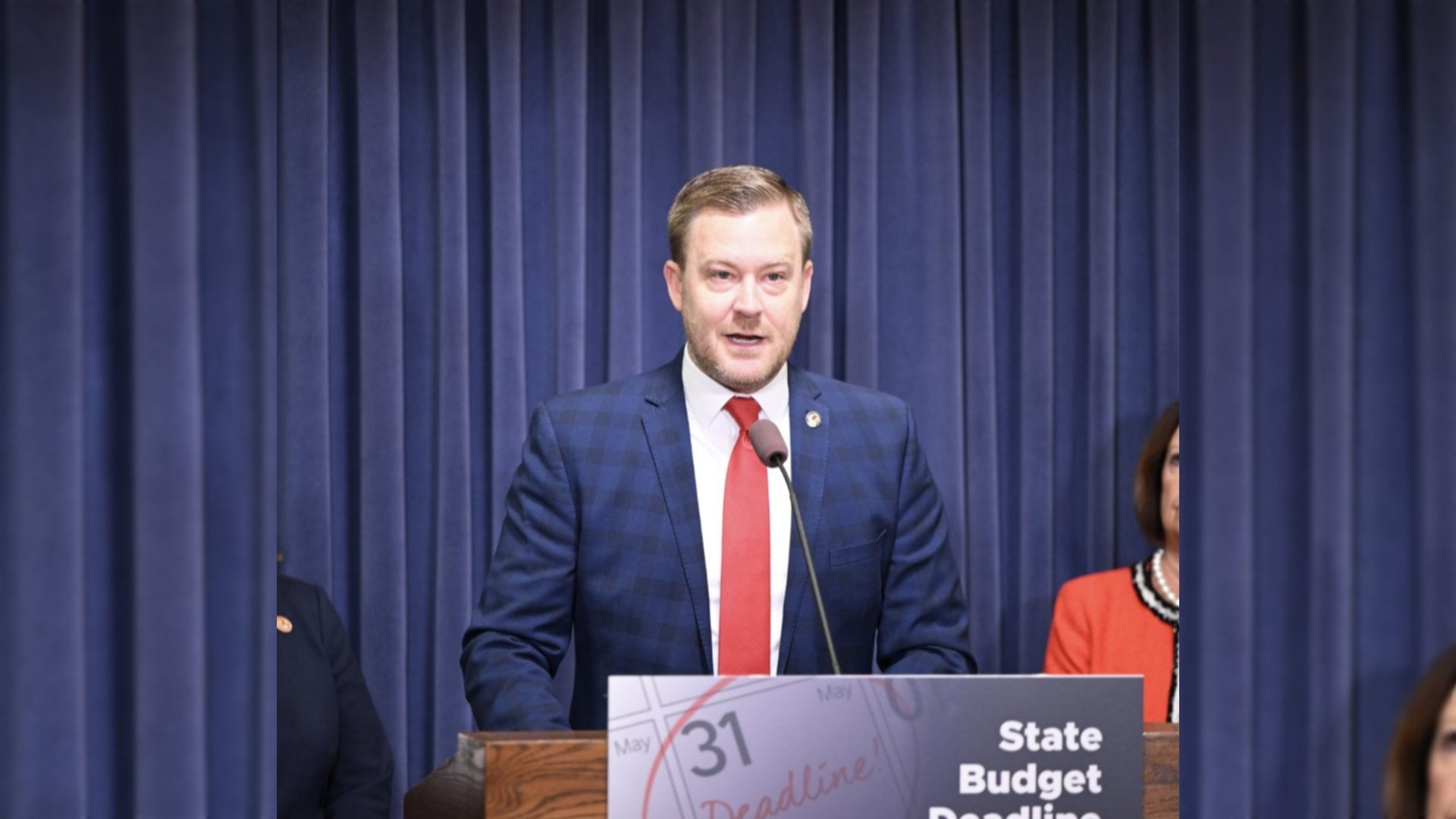
 SPRINGFIELD – Comptroller Susana Mendoza and former Chicago Planning Department official David Doig are championing a bill barring municipal officials from raiding neighborhood development funds to plug budget holes. They offered testimony before the House Revenue and Finance Committee this morning on HB 4712, sponsored by Rep. Bob Rita (D-Blue Island). Video is available here.
Tax Increment Financing or “TIF” funds raise money in neighborhoods that is meant to stay in the community and redevelop that neighborhood.
Get The Latest News!
Don't miss our top stories and need-to-know news everyday in your inbox.
“The purpose of TIF funding is to invest in communities, and this bill will ensure local tax dollars are used to benefit local projects, infrastructure, and other needs that benefit and support neighborhood development,” Rep. Rita said.
Successive Chicago mayors have abused the TIFs by declaring “surpluses” and taking those funds to plug one-time budget gaps. That’s not what legislators created TIFs for. That money is supposed to stay in economically blighted neighborhoods to help those areas.
“Neighborhood residents should never see their hard-saved development funds raided and shipped off to the other side of the county just because city officials can’t manage a budget,” Comptroller Mendoza said.
“The purpose of this bill is to ensure that TIF funds, which are generated by local neighborhoods, remain in those neighborhoods to fund housing, small business support and critical public infrastructure,” Doig said.
Other towns around Illinois have not similarly raided their TIF districts.
"The purpose of TIF funding is to invest in communities, and this bill will ensure local tax dollars are used to benefit local projects, infrastructure and other needs that benefit and support neighborhood development," Rep. Rita said.

Sen. Bill Cunningham (D-Chicago) is sponsoring companion legislation, SB 3236, in the Senate.
“This bill ensures TIF surplus funds are used as they were originally intended, to support long-term redevelopment,” Senator Cunningham said. “By setting clear limits on distributions, we’re strengthening oversight and protecting taxpayers.”
A TIF district caps the amount of property taxes that may be collected from homes and businesses in a district starting the year the TIF is formed. Taxes above that baseline amount are put into a fund for development projects for that district until the district sunsets in 23 years. Ideally, the improvements have made the district safer and less blighted and allowed residents and businesses to flourish by the end of the TIF’s term. Comptroller Mendoza emphasized to the committee that with more successful businesses and homeowners in the tax base, it lowers the property tax burden on the rest of us.
It was brought up at today’s hearing that this last Chicago City budget swept $1 billion from TIF districts around the city -- $13 million from Belmont Central; $7 million from Englewood; $8 million from Galewood; $125 million from Pilsen. Instead of staying in Englewood, Galewood, Belmont-Central or Pilsen where it’s needed for community development projects, that money is being diverted to plug one year’s budget holes.
And the raid is short-sighted as only $230 million of that billion dollars in “surplus” funds go to the city - with the rest distributed to other government bodies to spend however and wherever they want outside of those neighborhoods in suburbs like Wilmette or Arlington Heights.
This legislation will limit city officials’ ability to use TIF funds to fill operating budget gaps by limiting them to surplusing only 5 percent of the TIF funds once every 10 years.
TIF districts were created to collect money in neighborhoods that fund economic development projects in those neighborhoods, increasing the quality of life in those communities, leading more people to want to live and open businesses in those communities, spreading the tax burden among more home- and business owners and in the long run leading to more reasonable property tax bills.
Comptroller Mendoza and David Doig penned an editorial on the subject in March.
Video is also available here.
More like this:


- Most Popular

- Top Stories

- Most Recent



- Sign In
- Home
- Video
- News
-
Weather
 Sponsored by Michael Ryan Exteriors - Roofing Professionals
 - Sports
- Obits
- Events
- Radio
- AP News
- Shop Local
- Classifieds
- Autos
- Real Estate
- Directory
Get the RiverBender App


Follow Us
Copyright © 2026 RiverBender.com All rights reserved.
primary